
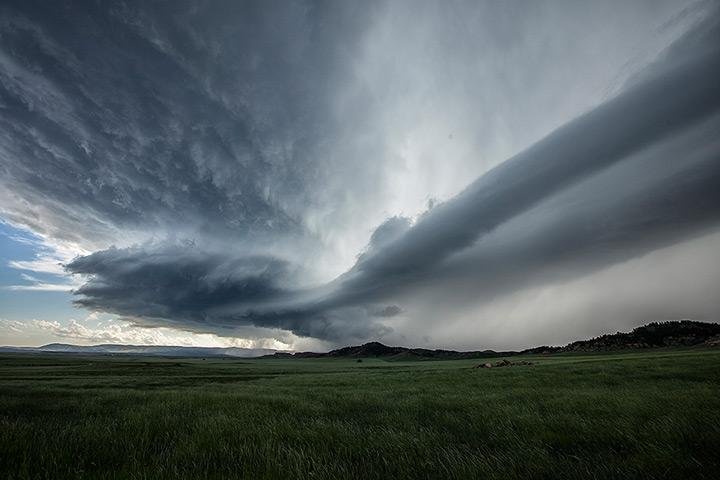
How to Prepare Your Home for the 2026 Hurricane Season
As the shadow of Hurricane Helene still lingers, the storms of 2025 are already on the horizon. Hurricane Helene, a

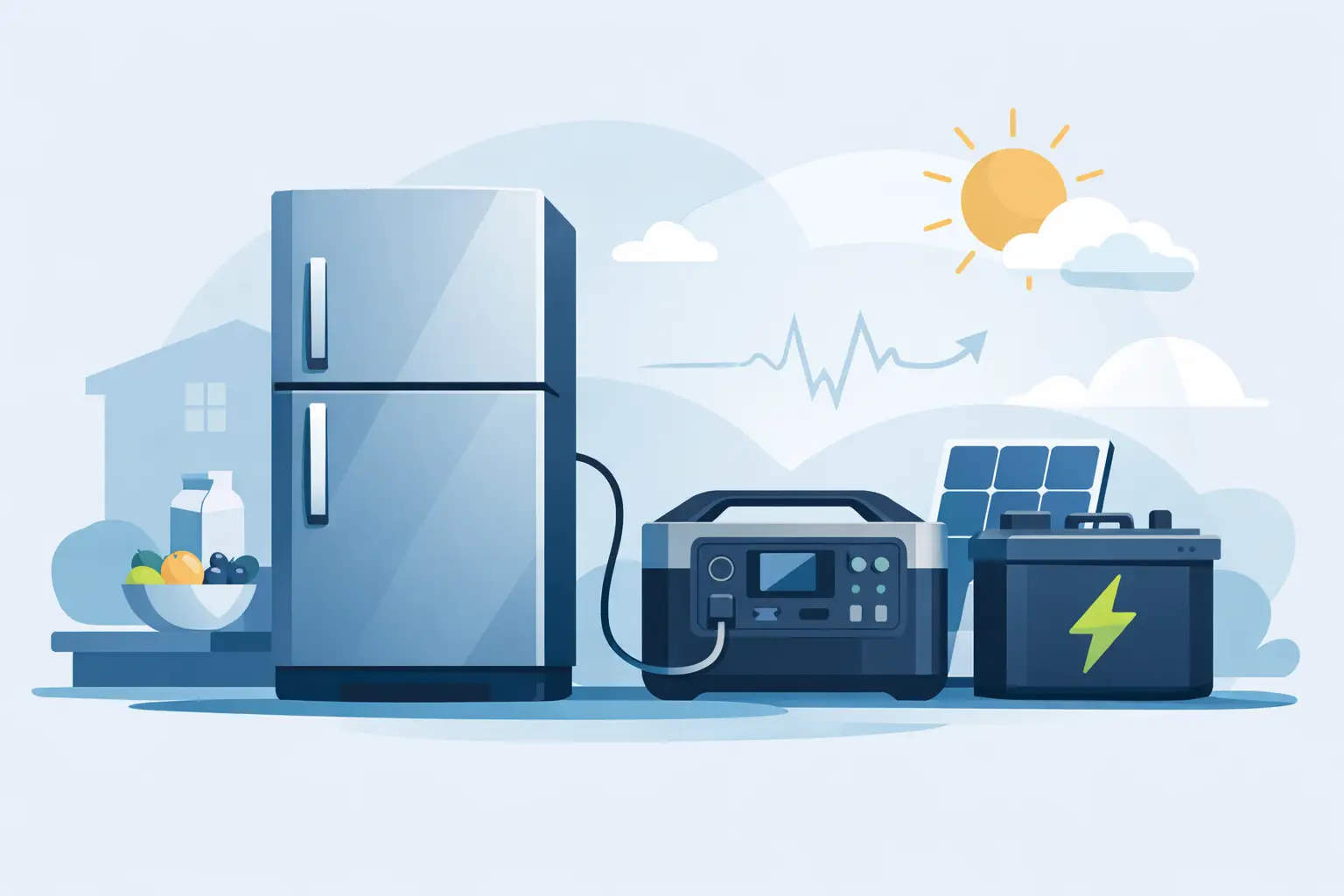
When the power drops, the refrigerator becomes a countdown clock. In a hot climate, every hour matters for food safety, medicine storage, and avoiding a freezer full of spoiled groceries. That is why battery backup for refrigerators is not a luxury purchase for many homes and small businesses. It is a practical layer of protection that keeps daily life moving when the grid does not.
For island households, storm season raises the stakes even more. Short outages are frustrating. Long outages can mean real loss. A good backup setup gives you time, stability, and options, whether you are riding out a utility interruption, protecting a rental property, or keeping a small shop operational.
A refrigerator is one of the few appliances that people notice immediately during an outage. Lights can be replaced with flashlights. Fans can wait for a while. But cold storage is different. Once the internal temperature rises too far, food quality drops quickly, and some items are no longer safe to keep.
That makes refrigeration a high-priority load. For many households, it is second only to medical devices, communications, and a few essential lights. For small businesses, the stakes may be even higher if there are beverages, perishables, or temperature-sensitive supplies involved.
Battery backup also solves a problem that fuel generators do not always handle well. A gas generator can keep a refrigerator running, but it brings fuel storage, noise, maintenance, and startup delay. A battery system starts much faster, runs quietly, and works indoors when designed for indoor use. If paired with solar, it can recharge during the day and extend your backup window without relying entirely on fuel deliveries.
Not every backup unit can run a refrigerator properly. The challenge is not just the running wattage. It is the startup surge.
Most refrigerators use a compressor that pulls extra power when it kicks on. A fridge may run at 100 to 250 watts during normal operation, but startup can briefly jump much higher. Depending on the model, that surge may be 600 watts, 1000 watts, or more. Larger refrigerators, older units, and some freezers can demand even more.
That is why the inverter rating matters. If your power station or battery system cannot handle the startup surge, the refrigerator may fail to start even if the battery has plenty of energy stored. Many people look only at battery capacity and miss this point.
Capacity still matters, of course. It determines runtime. A refrigerator does not draw power nonstop, so actual consumption over a day is often lower than people expect. But runtime depends on the appliance size, room temperature, how often the door opens, and how cold the unit was before the outage started. In hot, humid conditions, the compressor works harder and drains backup power faster.
The right size starts with two numbers: surge capability and usable battery capacity.
First, confirm the refrigerator’s running watts and startup watts. You can find clues on the appliance label, in the manual, or by measuring with a watt meter. If you cannot get an exact number, it is safer to size with some margin instead of cutting it close.
Second, think about how long you need the backup to last. If your goal is to bridge short utility outages of two to six hours, a smaller portable power station may be enough. If you want overnight protection, or you expect multi-day storm outages, you need much more stored energy or a recharging plan such as solar panels.
As a simple example, a refrigerator that averages around 1 to 1.5 kWh per day might run for much of a day on a properly sized battery system with at least that much usable capacity. But real life is rarely perfect. Heat, frequent door openings, and inverter losses all reduce runtime. A little extra capacity usually pays for itself in peace of mind.
For homes that want a stronger safety net, it often makes sense to size the system for the refrigerator plus a few essentials, such as a freezer, router, phone charging, and some lights. Once an outage starts, people almost always wish they had planned for more than one appliance.
This depends on how you live and how often you lose power.
A portable power station is often the most practical choice for apartment dwellers, renters, smaller homes, and anyone who wants simple setup. It can be moved where needed, stored safely indoors, and used for more than just emergencies. It is a good fit if your main goal is keeping one refrigerator or fridge-freezer running, along with a few small devices.
A larger home battery system makes more sense when refrigeration is just one part of a broader backup plan. If you want support for kitchen circuits, office equipment, fans, security systems, or several cold-storage appliances, a whole-home or semi-permanent system offers better coverage and usually a smoother experience. It also makes more sense for property managers and small businesses where outages create both inconvenience and financial loss.
The trade-off is cost and complexity. Portable units are easier to buy and deploy. Installed systems deliver more capacity and convenience but require more planning.
For long outages, stored energy alone eventually runs out. Solar charging gives the system a second life during daylight hours.
That matters a great deal in sunny coastal regions where storm recovery can take time. If a battery system can recharge from portable or fixed solar panels, you are not limited to the power you stored before the outage. You can run the refrigerator through the day, top off the battery, and preserve precious capacity for overnight use.
Solar will not eliminate the need for proper sizing. Cloud cover, panel angle, and storm conditions all affect production. But as part of a resilience plan, solar adds flexibility that a battery-only setup cannot match. For many households, that is the difference between short-term backup and real energy independence.
If you are comparing options, focus on performance before extras. The unit needs a pure sine wave inverter, enough surge capacity for compressor startup, and enough battery storage for realistic runtime.
After that, a few features are especially useful. Fast charging helps you recover quickly between outages. Pass-through capability can be helpful in some setups, though quality matters. Clear battery monitoring makes it easier to manage usage before power runs low. Expandable capacity is valuable if you expect your backup needs to grow.
Build quality also matters more than many buyers realize. Heat and humidity are hard on electronics. A backup system for coastal living should be treated like emergency equipment, not a novelty gadget. Reliability, warranty support, and product durability deserve real weight in the decision.
The most common mistake is underestimating startup surge. The second is assuming the battery’s advertised size equals real-world runtime. Inverter losses, warm conditions, and user habits all affect performance.
Another mistake is waiting until a storm watch is posted. Good backup gear often sells out when people panic. Even when inventory is available, last-minute buyers do not have time to test the unit with their refrigerator, learn the controls, or sort out charging.
It is also easy to overlook the condition of the refrigerator itself. Older units may use more power than expected. Poor door seals and dirty coils increase energy use and shorten backup runtime. A little appliance maintenance can stretch your battery further.
If you keep a full refrigerator and freezer, live in an outage-prone area, store medication that needs cooling, manage a vacation property, or run a business with perishables, battery backup moves from helpful to necessary very quickly.
That is especially true in places where utility restoration can be delayed by storms, flooding, or damaged infrastructure. In those situations, backup power is not about convenience. It is about keeping control over the essentials.
A dependable setup does not have to power your whole house on day one. It just needs to cover the loads that matter most, and a refrigerator is near the top of that list. If you start there and build wisely, you protect your food, reduce stress, and make every outage easier to handle.
The best time to choose a refrigerator backup system is when the lights are still on, the weather is calm, and you have room to buy for reliability instead of urgency.
As the shadow of Hurricane Helene still lingers, the storms of 2025 are already on the horizon. Hurricane Helene, a
The Bahamas: turquoise waters, sun-kissed beaches, gentle trade winds, and a relaxed pace of life. It’s one of the most

The Bahamas is blessed with sunshine almost all year round, making it one of the best places on earth to
All rights reserved sol1242.com © 2025


