
How to Prepare Your Home for the 2026 Hurricane Season
As the shadow of Hurricane Helene still lingers, the storms of 2025 are already on the horizon. Hurricane Helene, a

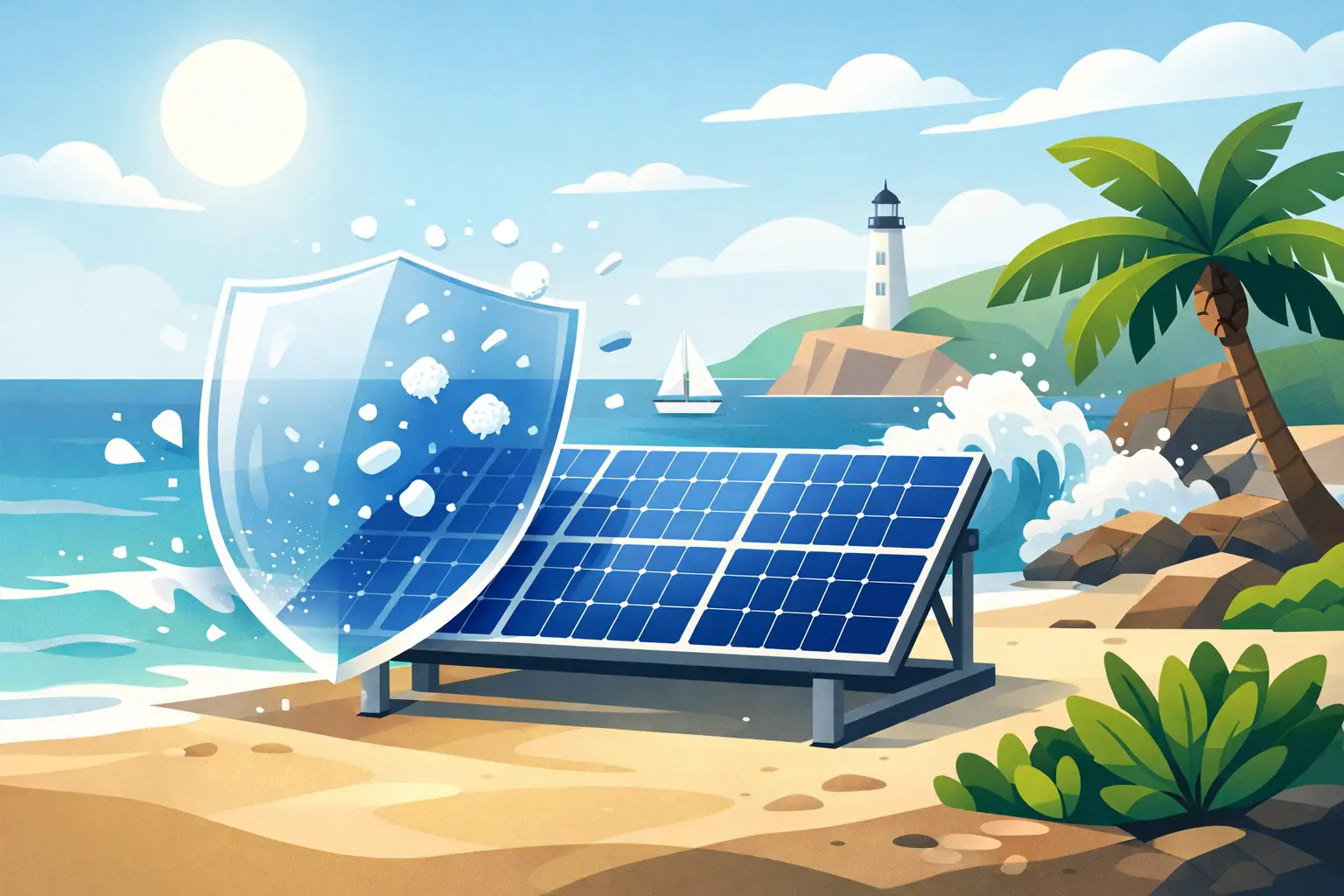
Salt does not need to touch a solar panel every day to cause trouble. Fine sea spray travels farther than most property owners expect, settles into frames and connectors, and slowly accelerates corrosion. Knowing how to protect solar panels seaside helps preserve the system that keeps your lights, refrigerator, communications, and essential devices running when the grid is down.
For coastal homes, businesses, and off-grid properties, solar protection is not a cosmetic maintenance task. It is part of storm readiness and long-term energy independence. A few smart choices during installation, followed by consistent care, can prevent salt, heat, wind, and humidity from reducing your solar output when you need backup power most.
The glass surface of a quality solar panel is built for weather, but the full system includes more vulnerable parts: aluminum frames, mounting hardware, cable insulation, connectors, junction boxes, and grounding components. Coastal exposure affects all of them differently.
Start with equipment designed for outdoor and marine-adjacent conditions. Panels should have corrosion-resistant aluminum frames and sealed junction boxes. Mounting rails, clamps, bolts, and brackets should be aluminum or high-grade stainless steel suitable for salt-air environments. Standard hardware may cost less at installation, but rusted fasteners can become a structural and safety problem long before the panels themselves wear out.
Pay close attention to mixed metals. When incompatible metals stay wet with salty moisture, galvanic corrosion can occur. This is an electrochemical reaction that eats away at the more vulnerable metal. Your installer should use compatible mounting materials and appropriate isolators or washers where necessary. This small detail matters on rooftops near the ocean.
Electrical connections deserve the same care. Use weather-rated connectors, UV-resistant cable, protected conduit where appropriate, and properly sealed cable entries. Loose or poorly sealed connections can admit moisture, leading to corrosion, reduced production, electrical faults, or inverter errors. Have the system inspected if you see cracked cable jackets, discolored connectors, water inside junction boxes, or unexplained drops in output.
A seaside solar installation cannot avoid salt air entirely, but panel placement can reduce direct exposure. If your roof has multiple workable sections, favor the area with the best balance of sun, wind protection, and distance from direct spray. Panels installed immediately beside breaking surf, open docks, or exposed seawalls will need more frequent cleaning and inspection than panels set farther inland.
Avoid placing panels where runoff from metal roofs, HVAC equipment, or other sources can wash contaminants onto the glass. Also keep them clear of heavy shade from palms and other vegetation. Shade cuts production, while falling leaves, fruit, and branches trap moisture and create stubborn buildup along panel edges.
For portable solar panels, location is even more flexible. Set them on a clean, stable surface away from the shoreline, not directly on wet sand or salt-stained concrete. Bring them inside after charging rather than leaving them outdoors unnecessarily. Portable equipment offers valuable hurricane-season flexibility, but only if it is stored dry and protected between uses.
Salt residue can form a thin haze across solar glass. It may not look dramatic, but it blocks light and can reduce the energy reaching the cells. In a coastal climate, cleaning frequency depends on how near the system is to the water, prevailing winds, rainfall, and visible buildup.
For many seaside properties, a gentle rinse every few weeks is a sensible starting point. Properties exposed to constant spray may need attention more often, while panels farther inland may only need cleaning after dry, windy periods or storms. Rain helps, but it does not reliably remove dried salt deposits.
Clean panels early in the morning or late in the afternoon when they are cool. Use clean fresh water, a soft brush or non-abrasive sponge, and light pressure. Do not use abrasive pads, harsh degreasers, salt-removal chemicals not approved for solar glass, or high-pressure washers. These can scratch the surface, damage seals, or force water into places it does not belong.
If you cannot safely reach a roof-mounted array, do not climb onto a hot or wet roof. A professional cleaning and inspection service is a better investment than a fall or damaged panel. While cleaning, look for staining, cracks, chips, loose clamps, nests, or debris under the array. Small problems are easier and less expensive to correct early.
Salt is a slow threat. Hurricanes and tropical storms can test a solar system in a single afternoon. The mounting system must be engineered for local wind loads, roof type, and the exact layout of the array. Panels are only as secure as the rails, anchors, flashing, and roof structure beneath them.
Before installation, make sure your roof is in sound condition. Replacing shingles, repairing leaks, or strengthening damaged decking after panels are installed adds cost and disruption. A qualified installer should use a mounting design appropriate for coastal wind conditions and protect every roof penetration from water intrusion.
Do not assume that adding more panels is always the right answer. On a very exposed roof, a properly engineered, slightly smaller array may be a wiser choice than a larger system installed without adequate wind considerations. The goal is dependable power, not a system that looks impressive until the next major storm.
Portable solar panels should be packed away before tropical-storm conditions arrive. Fold them, disconnect them from power stations or generators, dry them completely, and store them indoors. Never leave portable panels tied down outside as a storm solution. Wind can turn them into debris, and flying debris can destroy the panels or damage your property.
Solar panels naturally run hot in the Bahamas and other sunny coastal areas. Some heat is unavoidable, but poor airflow can make it worse. Rooftop panels should have a proper gap beneath them so air can circulate and carry heat away. This helps maintain performance and reduces stress on components.
The balance-of-system equipment matters here. Inverters, batteries, charge controllers, and portable power stations should be kept out of direct sun, standing water, and poorly ventilated storage spaces. High humidity and heat can shorten equipment life, particularly when airflow is restricted.
For home battery backup, choose a location that stays dry, shaded, and within the manufacturer’s operating temperature range. A garage, utility room, or protected equipment area can work well if ventilation and access requirements are met. Do not place batteries in a flood-prone area simply because it is close to the electrical panel.
A clean panel does not guarantee a healthy solar system. At least twice a year, and after any major storm, inspect the visible parts of the installation. Watch for loose hardware, rust staining, damaged wire insulation, shifted panels, cracked glass, and water around electrical equipment.
Monitor your production through the inverter or energy app if your system provides one. A gradual decline may point to salt buildup, new shade, or normal seasonal changes. A sudden drop can signal a tripped breaker, damaged cable, inverter issue, or connection problem. Treat unexpected performance changes as a reason to investigate, especially after heavy wind or flooding.
Keep a simple maintenance record with cleaning dates, storm inspections, photos, and any service performed. This supports warranty claims and gives you a clearer picture of whether output is changing over time. For property managers and small businesses, documented checks also make it easier to protect a critical backup-power asset across multiple locations.
Seaside solar protection works best when the system itself is sized around real priorities. A home that needs lights, phone charging, internet, refrigeration, and a few fans during an outage has different needs from a business protecting point-of-sale equipment, security systems, or critical refrigeration.
That is why a solar panel should be considered part of a complete power plan: generation, battery storage, safe connections, and a clear list of essential loads. SOL242 focuses on solar and backup solutions chosen for the heat, humidity, storms, and outages that island properties face.
The practical goal is simple: keep salt and weather from turning a dependable energy asset into an avoidable weak point. Clean the panels with fresh water, use corrosion-resistant equipment, secure the system for wind, store portable gear indoors before storms, and inspect the electrical details that salt air reaches first. Those habits help your solar investment stay ready for the next bright day and the next dark outage.
As the shadow of Hurricane Helene still lingers, the storms of 2025 are already on the horizon. Hurricane Helene, a
The Bahamas: turquoise waters, sun-kissed beaches, gentle trade winds, and a relaxed pace of life. It’s one of the most

The Bahamas is blessed with sunshine almost all year round, making it one of the best places on earth to
All rights reserved sol1242.com © 2025


