
How to Prepare Your Home for the 2026 Hurricane Season
As the shadow of Hurricane Helene still lingers, the storms of 2025 are already on the horizon. Hurricane Helene, a

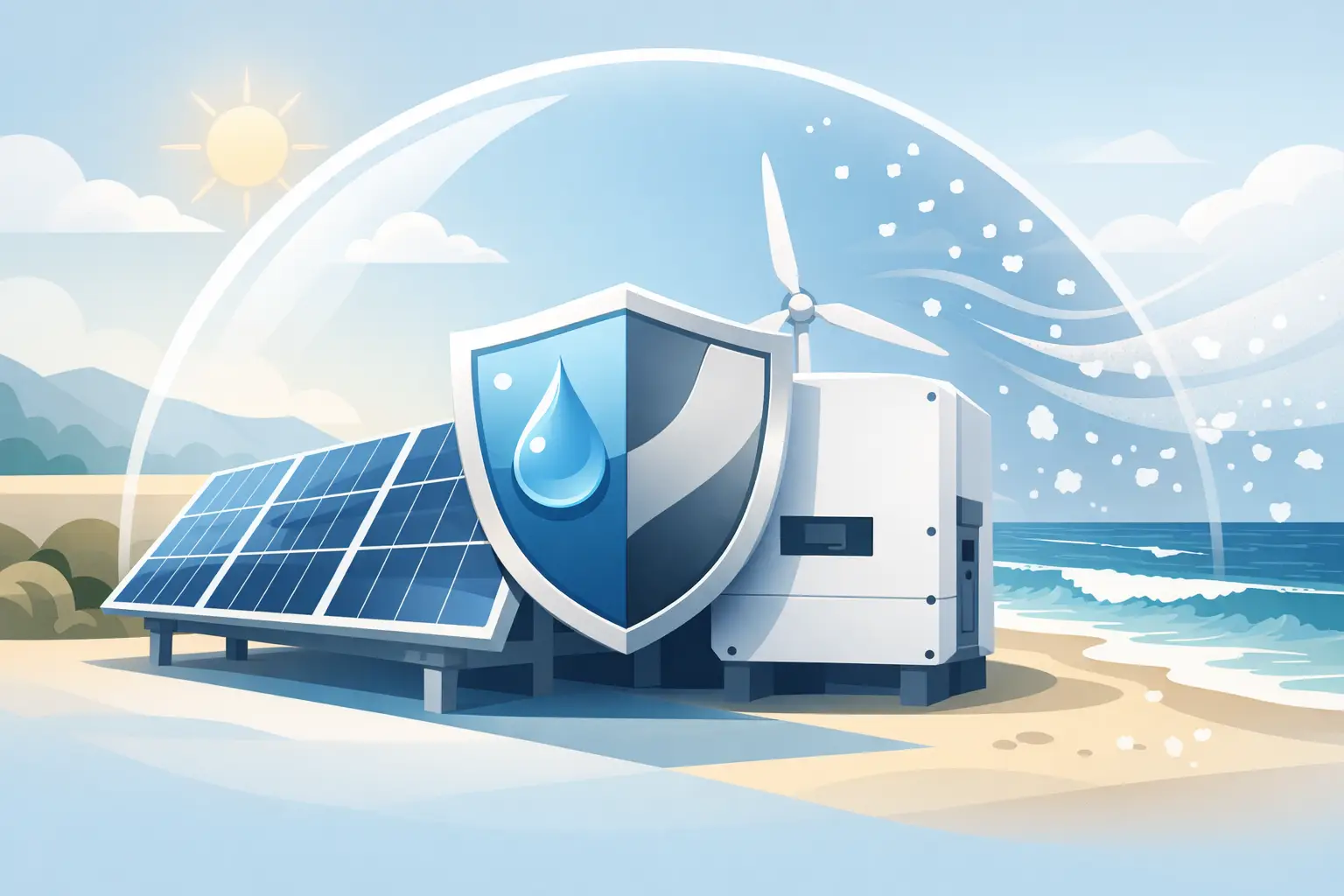
Salt spray can reach much farther than the shoreline. In the Bahamas and other coastal areas, wind carries fine salt particles onto rooftops, patios, vehicles, solar panels, battery systems, and portable power gear. Learning how to protect solar equipment from salt helps preserve the backup power your home or business may need when the grid goes down.
Salt does not usually cause a sudden failure. It creates a slow problem: deposits hold moisture against metal, accelerate corrosion, and can work into connectors, mounting hardware, vents, and electrical enclosures. A solar setup built for dependable island use needs more than good panels and batteries. It needs smart placement, compatible hardware, regular cleaning, and a practical inspection routine.
Salt is conductive when wet and highly corrosive over time. On solar panels, a light coating can reduce production by blocking sunlight. On frames and mounting hardware, it can stain surfaces, weaken fasteners, and create corrosion where different metals meet. The greater concern is at connection points. Corroded terminals, cable glands, plugs, and grounding connections can create resistance, heat, intermittent output, or equipment faults.
Heat and humidity make the problem worse. A hot, humid coastal environment gives salt deposits the moisture they need to remain active, even on days without rain. Hurricane season adds another layer of risk, with wind-driven spray and debris reaching equipment that normally sits well away from the water.
The right level of protection depends on your location. A portable power station used inside a home faces far less exposure than a rooftop array near the coast or an off-grid system installed at a marina. Still, every system benefits from a plan that keeps salt off sensitive surfaces and catches corrosion early.
The best time to manage salt exposure is before equipment goes into service. Choose a location that limits direct spray and standing moisture without sacrificing too much solar access. A panel location with strong sun and some separation from the waterfront is usually a better long-term choice than the closest possible spot to the shore.
For fixed solar systems, use mounting components rated for outdoor coastal conditions. Marine-grade stainless steel hardware, often 316 stainless steel, is commonly preferred where salt exposure is severe. Aluminum rails can also perform well, but hardware, brackets, and frames must be compatible. When dissimilar metals touch in a wet, salty environment, galvanic corrosion can occur. Installers can use appropriate isolators and approved mounting methods to reduce that risk.
Pay close attention to the components people do not see after installation. Cable entry points should be sealed correctly, junction boxes should be weather-rated, and exposed connections should be positioned to shed water rather than collect it. Outdoor inverters, combiner boxes, and battery enclosures need an appropriate weather-resistance rating for their installation location. A protected wall or covered utility area is generally safer than an open, wind-facing surface.
Do not confuse weather resistance with salt-proof performance. A weather-rated enclosure can withstand rain, but it still needs inspection and cleaning when salt accumulates around seals, hinges, and vents.
Portable solar panels and solar generators offer flexibility, which is a major advantage in coastal areas. You can set them up for charging when conditions are good and bring them inside when you are finished. That simple habit can greatly reduce salt exposure.
Place portable panels on a clean, stable surface, away from direct breaking spray and sandy low spots. Keep portable power stations indoors or under dry cover while operating, unless the manufacturer specifically approves outdoor use. Never leave a battery power station outside overnight just because it is connected to a panel. Moisture, salt air, theft, and storm changes can all turn a convenient setup into an avoidable loss.
A regular freshwater rinse is one of the most effective ways to limit salt buildup. The schedule depends on exposure. Equipment close to the water, on a windward roof, or in an area with frequent trade winds may need attention every few weeks. A more sheltered system may only need cleaning monthly or after visibly salty, dusty, or stormy conditions.
Clean panels early in the morning or later in the afternoon, when glass is cooler. Rinsing a very hot panel with cold water can create unnecessary thermal stress. Use clean freshwater and a soft brush or microfiber cloth if residue remains. Avoid abrasive pads, harsh chemicals, and high-pressure washing, which can damage seals, frames, and nearby electrical components.
For a rooftop array, safety comes first. If safe access is not available, schedule a qualified solar technician rather than climbing onto a wet roof. For portable panels, disconnect them from the power station or charge controller before cleaning and make sure connectors are dry before reconnecting.
Do not spray water directly into electrical enclosures, vents, connectors, inverter openings, or battery compartments. Instead, wipe exterior surfaces with a lightly damp cloth and follow the equipment manufacturer’s cleaning instructions. If you see green, white, or reddish corrosion around terminals or plugs, do not scrape at energized components. Have the connection evaluated and repaired before it becomes a heat or reliability issue.
A short visual inspection after severe weather can protect a much larger investment. Look at the panel frames, rail connections, bolts, grounding points, cable clips, plugs, and exterior equipment cabinets. Check for loose hardware, discoloration, cracked insulation, chalky residue, rust streaks, or water trapped around mounting points.
For home battery backup systems, inspect the surrounding area as well. The battery should remain dry, clean, and within the temperature range specified by its manufacturer. Keep salt-laden air, household chemicals, and clutter away from vents and access panels. A battery enclosure needs airflow, but it should not be installed where wind-driven rain and salt spray enter freely.
Small business owners and property managers should document inspections. A dated photo of mounts, cables, and enclosures after installation makes it easier to spot gradual changes later. This is also useful when arranging warranty support or insurance documentation after a storm.
If your system monitoring shows lower-than-normal production, do not assume the panel itself is failing. Salt film, dirty glass, a loose connector, shading from storm debris, or corrosion at a connection can all affect output. Address the simplest visible causes first, then bring in a qualified professional for electrical diagnosis.
Hurricane preparation is not just about wind. Before a major storm, bring portable solar panels, power stations, extension cords, and accessories indoors. If that is not possible, store them in a dry, secure location well above potential flooding. Do not rely on a loose cover outdoors. Covers can trap moisture, rub against surfaces in high winds, and fail when you need them most.
Fixed solar systems should be installed by professionals using mounting and flashing methods designed for local wind conditions. Before storm season, verify that visible hardware remains secure and that rooftop cable runs are protected. Trim branches that could strike the array and clear drains near ground-mounted equipment so saltwater and rainwater do not pool around enclosures.
After the storm passes, wait until conditions are safe before checking the system. Look for debris, broken glass, shifted mounts, exposed wiring, and signs of water entry. Do not restart damaged equipment or handle wet electrical connections. A professional inspection is the safer choice when there is any doubt.
Salt protection is not a one-time coating or a single cleaning day. It is routine care built around the actual exposure of your property. A sheltered inland home may need simple monthly checks. A beachfront rental, dockside business, or home facing prevailing winds may need more frequent rinsing and seasonal professional maintenance.
It also pays to buy equipment that fits the job. Portable power stations are ideal when you need to keep electronics and essential appliances running indoors during outages. Portable panels give you charging flexibility and can be stored between uses. Fixed solar and home battery systems provide broader energy independence, but they require careful coastal installation and ongoing attention to mounts, wiring, and enclosures. SOL242 focuses on backup power options suited to heat, humidity, outages, and the demands of island living.
The goal is not to eliminate every trace of salt from a coastal property. It is to prevent salt from sitting long enough to damage the equipment that protects your comfort, operations, and peace of mind. A freshwater rinse, dry storage, corrosion-aware installation, and prompt post-storm inspection can keep your solar investment ready when dependable power matters most.
As the shadow of Hurricane Helene still lingers, the storms of 2025 are already on the horizon. Hurricane Helene, a
The Bahamas: turquoise waters, sun-kissed beaches, gentle trade winds, and a relaxed pace of life. It’s one of the most

The Bahamas is blessed with sunshine almost all year round, making it one of the best places on earth to
All rights reserved sol1242.com © 2025


