How to Prepare Your Home for the 2026 Hurricane Season
As the shadow of Hurricane Helene still lingers, the storms of 2025 are already on the horizon. Hurricane Helene, a

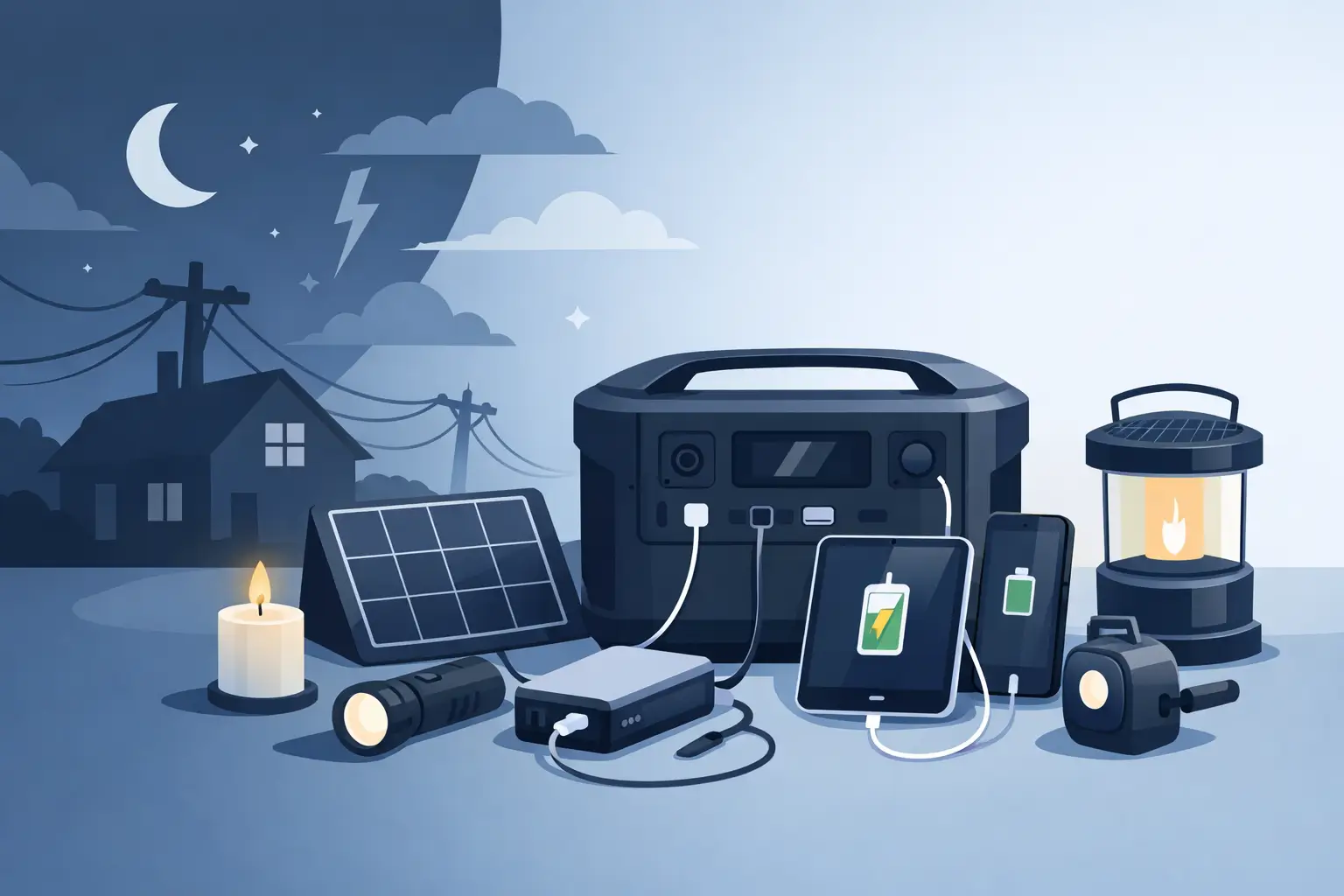
When the lights go out, a phone at 12 percent is more than an inconvenience. It may be your connection to weather alerts, family, emergency services, work, and property updates. Knowing how to charge devices during a power outage gives your household more control when the grid is down – especially during hurricane season or a long island-wide interruption.
The right approach is not to hunt for any available outlet. It is to protect the power you have, use it efficiently, and rely on charging equipment that is safe for indoor use. A prepared home can keep essential devices running for hours or days without wasting energy on items that can wait.
Before connecting anything, reduce the drain on every phone, tablet, and laptop in the house. Turn on low-power mode, lower screen brightness, close unused apps, and switch off Bluetooth, location services, and background updates unless they are needed. If cellular service is weak after a storm, your phone may use more power while searching for a signal. In that case, using airplane mode briefly between scheduled check-ins can preserve a meaningful amount of battery.
Charge the devices that support safety and communication first. For most homes, that means phones, a weather radio, flashlights, rechargeable lanterns, and a small battery-powered fan. If someone relies on a medical device, prioritize that equipment and make sure its backup requirements are part of your household emergency plan.
A laptop, gaming system, television, and other high-demand electronics can consume your stored power quickly. They may still be useful, particularly if you need to work or monitor security cameras, but they should not be the first load connected to a limited backup source.
The best charging method depends on the length of the outage, the number of people relying on power, and whether it is safe to be outdoors. A layered setup is more reliable than depending on one solution.
A fully charged USB power bank is the simplest first line of defense. It is compact, quiet, and easy to use at night without turning on larger equipment. Keep one for each household member if possible, and choose models with enough capacity to recharge a phone more than once.
Power banks are ideal for short interruptions, travel, and quick evacuations. Their limitation is capacity: they are not designed to run a router, fan, medical equipment, or multiple devices for several days. Treat them as your first reserve, not your entire plan.
For a more capable indoor backup solution, a portable power station can charge phones, tablets, radios, laptops, lights, and other small essentials from USB, 12-volt, and standard AC outlets. Unlike a fuel generator, a battery power station creates no exhaust fumes, which makes it suitable for indoor operation when used according to its instructions.
Capacity matters. A smaller unit may be enough for phones, lights, and a router. A larger solar generator can support more devices and may run items such as a CPAP machine, small fan, or compact refrigerator for a limited period. Check both watt-hours, which indicate stored energy, and output watts, which determine what the unit can power at one time.
Use the power station deliberately. Charge several phones from USB ports rather than using an inverter and multiple wall chargers when USB charging is available. This reduces unnecessary conversion losses and helps stored battery power last longer.
A battery power station becomes far more useful when paired with portable solar panels. During a multiday outage, sunlight can replenish the station so you are not limited to the charge that was available when the power failed.
In The Bahamas and other sunny coastal areas, solar can be a practical source of daily charging power after a storm has passed. Set panels in direct sun, keep them clear of shade, and adjust their position as needed. Salt spray, dust, and heavy humidity can reduce performance over time, so wipe panels carefully and store them dry when they are not in use.
Solar is not instant power. Cloud cover, rain, panel size, and the battery station’s charging limits all affect recharge time. Still, a solar-and-battery setup can keep communications, lights, and small essentials available long after power banks have been drained.
A vehicle’s USB port or 12-volt outlet can provide a useful backup for a phone or small power bank. It is best used in short sessions, preferably while the vehicle is being driven or while you are safely outside in an open area.
Do not run a vehicle in a garage, carport, or enclosed space to charge devices. Carbon monoxide can build up quickly and become deadly. Also avoid leaving a vehicle idling for long periods simply to power electronics. Fuel may be hard to replace after a storm, and an older battery can be drained if accessories are used with the engine off.
A fuel generator can recharge devices and run larger household loads, but it requires more planning than battery backup. It must always operate outdoors, well away from doors, windows, vents, and enclosed areas. Never use one inside a home, garage, shed, or covered porch.
For device charging alone, a portable battery station is usually quieter, simpler, and safer indoors. A generator may make sense when you also need to support a refrigerator, water pump, tools, or larger appliances. If you use one, protect electronics with quality surge protection and follow the manufacturer’s fueling, grounding, and load guidance.
Preparedness works best before an outage begins. Fully charge your power banks and portable power station when a storm watch is issued or when utility service becomes unstable. Test every cable, adapter, solar input, and flashlight. A backup battery is only useful if the right charging cord is still in the house.
Create a simple power order for your family. Start with communication and safety devices, then medical needs, lighting, internet equipment if service is available, and comfort items such as fans. Entertainment can be useful for children during a long outage, but it should come after the equipment that keeps everyone informed and safe.
It also helps to set charging windows. Rather than leaving every phone plugged in all day, recharge devices when they fall to a planned level, then disconnect them. This keeps one person from quietly consuming the battery capacity everyone needs overnight.
The most expensive mistake is buying more capacity than you can realistically maintain or recharge. A large battery is valuable, but it still needs to be kept charged and protected from extreme heat, flooding, and physical damage. Store backup batteries in a cool, dry location above potential flood levels, and inspect them before hurricane season.
Do not overload a power station by connecting appliances that exceed its rated output. High-wattage items such as hair dryers, hot plates, space heaters, and many coffee makers can drain a battery rapidly or trigger overload protection. Check the wattage label before plugging in an appliance.
Be cautious with damaged cords, wet connectors, and improvised wiring. In a storm recovery situation, electrical safety matters as much as battery capacity. If an outlet, cable, battery, or power station shows signs of water exposure, swelling, melting, or a burning smell, stop using it until it has been inspected.
The right backup system is based on what must stay on when the grid fails. A household that only needs phones and lights may be well served by power banks, a compact power station, and a portable solar panel. A family with medical equipment, remote work needs, food storage concerns, or a longer outage risk may need a higher-capacity solar generator or a home battery backup system.
SOL242 focuses on backup power built for the realities of heat, humidity, storms, and changing island conditions. The goal is not to power every appliance indefinitely. It is to keep the essentials available, protect your household’s options, and reduce dependence on a grid that may take time to restore.
Set up your charging plan while the weather is calm. When an outage arrives, the best feeling is not finding a last-minute solution – it is reaching for equipment you already know will keep your connection, lighting, and essential devices ready.
As the shadow of Hurricane Helene still lingers, the storms of 2025 are already on the horizon. Hurricane Helene, a
The Bahamas: turquoise waters, sun-kissed beaches, gentle trade winds, and a relaxed pace of life. It’s one of the most

The Bahamas is blessed with sunshine almost all year round, making it one of the best places on earth to
All rights reserved sol1242.com © 2025


