
How to Prepare Your Home for the 2026 Hurricane Season
As the shadow of Hurricane Helene still lingers, the storms of 2025 are already on the horizon. Hurricane Helene, a

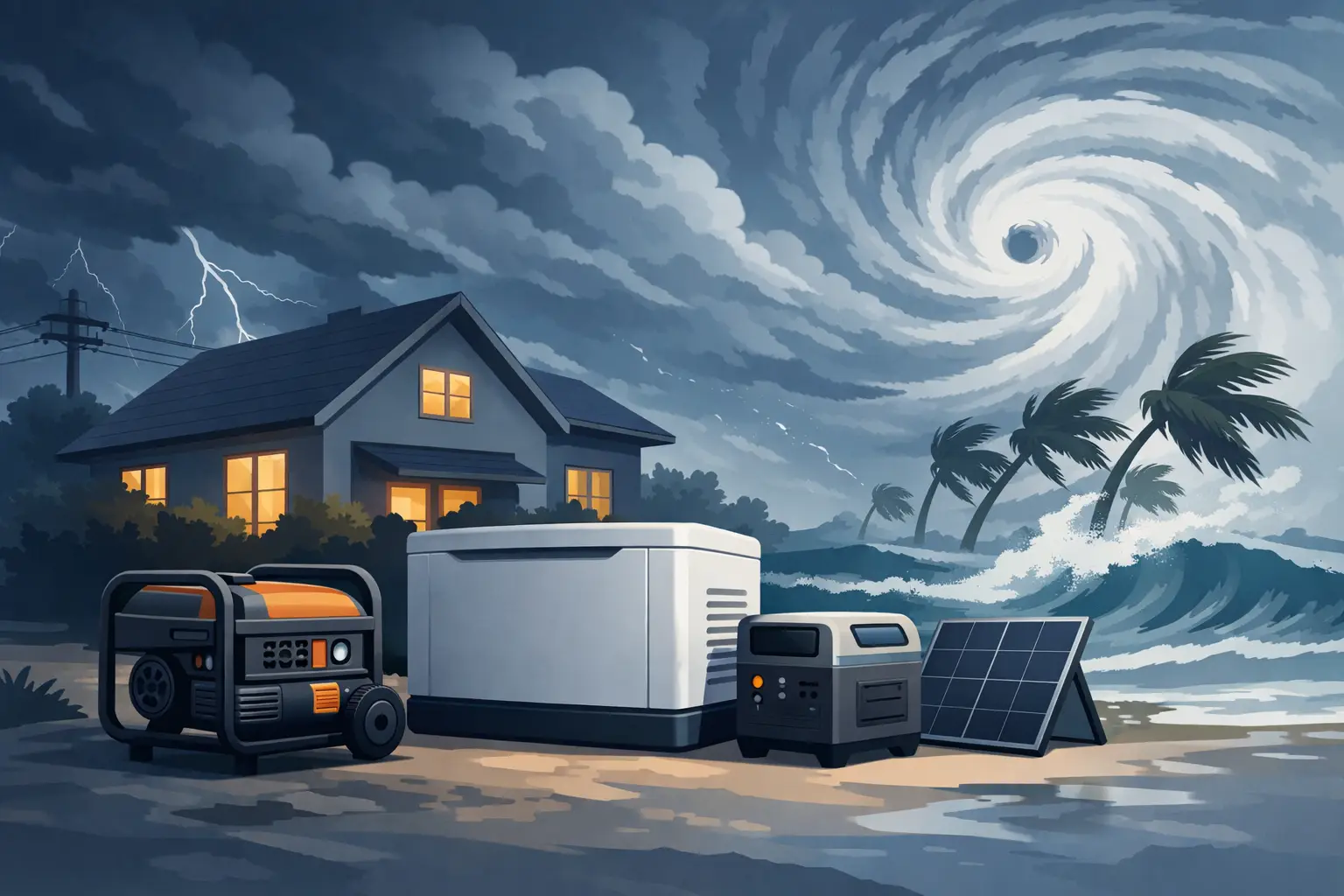
When a storm warning turns serious, the question is no longer whether the power might go out. It is how long you can keep your home, business, or property running once it does. That is why backup power for hurricanes matters so much in the Bahamas, where outages can stretch from inconvenient to dangerous fast.
For most people, the right setup is not the biggest system available. It is the system that can handle your real priorities under island conditions – heat, humidity, salt air, and repeated storm seasons. A good backup plan keeps food cold, phones charged, lights on, and essential equipment running without adding stress when everything else already feels uncertain.
Storm backup is about continuity, not luxury. During a hurricane or the days after, you need power for the basics first. Refrigeration, communication, lighting, fans, internet, medical devices, and security systems usually matter more than whole-home comfort.
That is where people often overspend or undershoot. A small portable unit may be perfect for charging phones, powering a router, and keeping a few lights on, but it will not carry a refrigerator for long. On the other hand, a large home battery system can support far more, but it requires a bigger investment and more planning. The best choice depends on what you need to protect, how often outages happen, and how long you expect to be without the grid.
Portable power stations are one of the easiest ways to prepare before hurricane season. They store electricity in a battery and can power small to medium household essentials without fuel, fumes, or the noise of a gas generator. For apartments, smaller homes, renters, and anyone who wants something simple, they are often the fastest upgrade.
They work especially well for charging phones, tablets, radios, laptops, lights, modems, fans, and sometimes a small refrigerator or freezer depending on the battery size and appliance draw. The big advantage is convenience. You can keep one charged, move it where you need it, and use it indoors safely.
The trade-off is runtime. If you choose a station that is too small, it may handle only a few hours of use on larger appliances. That is why sizing matters more than marketing claims.
A solar generator usually means a portable power station paired with portable solar panels. This setup is especially appealing in hurricane-prone areas because it gives you a way to recharge after the storm passes and sunlight returns. If the outage lasts longer than expected, solar can extend your backup window without relying on fuel deliveries.
For island living, this combination makes a lot of sense. Fuel can be hard to find after a major storm, and supply chains do not always recover quickly. A battery-plus-solar setup gives you more control. It also makes everyday use easier, since the same equipment can support camping, outdoor work, remote property use, or regular blackout protection.
Still, solar is not magic during bad weather. Heavy cloud cover, rain, and debris can limit charging during the storm itself. You need enough stored battery capacity to bridge that period, then use solar to recover when conditions improve.
If you want a stronger, more permanent solution, home battery backup is the next step. These systems can support key circuits or larger sections of your home, depending on size and configuration. They are built for households and property owners who need reliable backup for refrigerators, lighting, communications, fans, office equipment, and sometimes air conditioning or pumps.
For many homeowners in the Bahamas, this is where backup power becomes real resilience rather than basic emergency convenience. A properly sized home battery system can reduce disruption, protect daily routines, and support longer-term energy independence when paired with solar.
The main consideration is cost and installation planning. A home battery is not an impulse purchase. But for properties with frequent outages, valuable refrigerated goods, home offices, or vulnerable residents, it can be one of the most practical long-term investments you make.
Start with what must stay on. Not what would be nice to have, but what creates the biggest problem if it goes dark. For one household, that may be a refrigerator, phone charging, lights, and a fan. For another, it may include a modem, freezer, security cameras, medical equipment, or point-of-sale devices for a small business.
Once you know your essentials, think about runtime. Do you need backup for a few hours, overnight, or several days? This changes everything. A compact power station may be enough for short interruptions, while a multi-day outage often calls for higher battery capacity, solar recharging, or a larger whole-home approach.
Then consider your environment. In coastal and island settings, durability matters. Equipment should be able to handle heat and humidity, and it should be stored properly before the storm arrives. Products built for harsh conditions are worth more than attractive specs on paper.
A simple way to think about sizing is by use case.
If your goal is basic emergency power, you may only need enough capacity for phones, lights, a radio, and internet. That is a very different system from one designed to support refrigeration and multiple rooms for an extended outage.
If your goal is household continuity, look at larger portable power stations or a home battery system. These can keep more essentials running at once and reduce the need to ration every device. For families, that difference matters quickly once the outage goes beyond the first day.
If your goal is business continuity or property management, reliability becomes even more important. Downtime can affect tenants, customers, inventory, and security. In that case, underbuying often costs more than sizing correctly from the start.
One of the biggest advantages of battery backup with solar charging is recovery. Once the storm has passed and conditions are safe, solar panels can help replenish power without waiting for fuel or utility restoration. That matters in the Bahamas, where logistics after a major weather event can be unpredictable.
This is also where a solar-first backup strategy stands apart from temporary emergency buying. A quality battery and solar setup is useful year-round. It lowers dependence on the grid, helps during routine outages, and can support off-grid or outdoor needs long after hurricane season ends.
That kind of flexibility is part of the value. You are not buying a single-use storm product. You are building a more dependable power plan for island life.
The first mistake is waiting too long. Once a storm is named, people rush for solutions, and that is exactly when options narrow and delivery pressure rises. Backup power works best when it is already charged, tested, and understood before the weather turns.
The second mistake is focusing only on wattage and ignoring real-world use. Surge requirements, runtime, recharge speed, and the number of devices you need to power all matter. Bigger is not always better, but too small is frustrating fast.
The third mistake is forgetting the post-storm period. Many outages last longer after the winds pass than people expect. Your backup plan should account for that gap, especially if fuel access, road conditions, or utility repairs are delayed.
For many homes, the strongest approach is layered. A portable power station can cover immediate essentials and mobile use. Portable solar panels can help recharge once the weather clears. A home battery system can provide a deeper level of protection for larger loads and longer disruptions.
That layered model gives you options. It lets you start where your budget makes sense and build toward stronger resilience over time. It also means your backup power setup can grow with your needs instead of forcing one all-or-nothing decision.
At SOL242, that is the real goal behind hurricane backup planning – not just having power, but having the right kind of power for how you actually live. When the grid goes down, preparation should feel like relief, not guesswork.
The best time to choose backup power is when the skies are clear, your options are open, and you can plan around what matters most. A storm will test your setup eventually. Better to meet that moment with power you trust.
As the shadow of Hurricane Helene still lingers, the storms of 2025 are already on the horizon. Hurricane Helene, a
The Bahamas: turquoise waters, sun-kissed beaches, gentle trade winds, and a relaxed pace of life. It’s one of the most

The Bahamas is blessed with sunshine almost all year round, making it one of the best places on earth to
All rights reserved sol1242.com © 2025


1 thought on “Best Backup Power for Hurricanes”
[…] ResilienceAfter storms, grid power often fails. Sol242 backup stations keep lights, refrigeration, and communication running when needed […]