

How to Prepare Your Home for the 2026 Hurricane Season
As the shadow of Hurricane Helene still lingers, the storms of 2025 are already on the horizon. Hurricane Helene, a

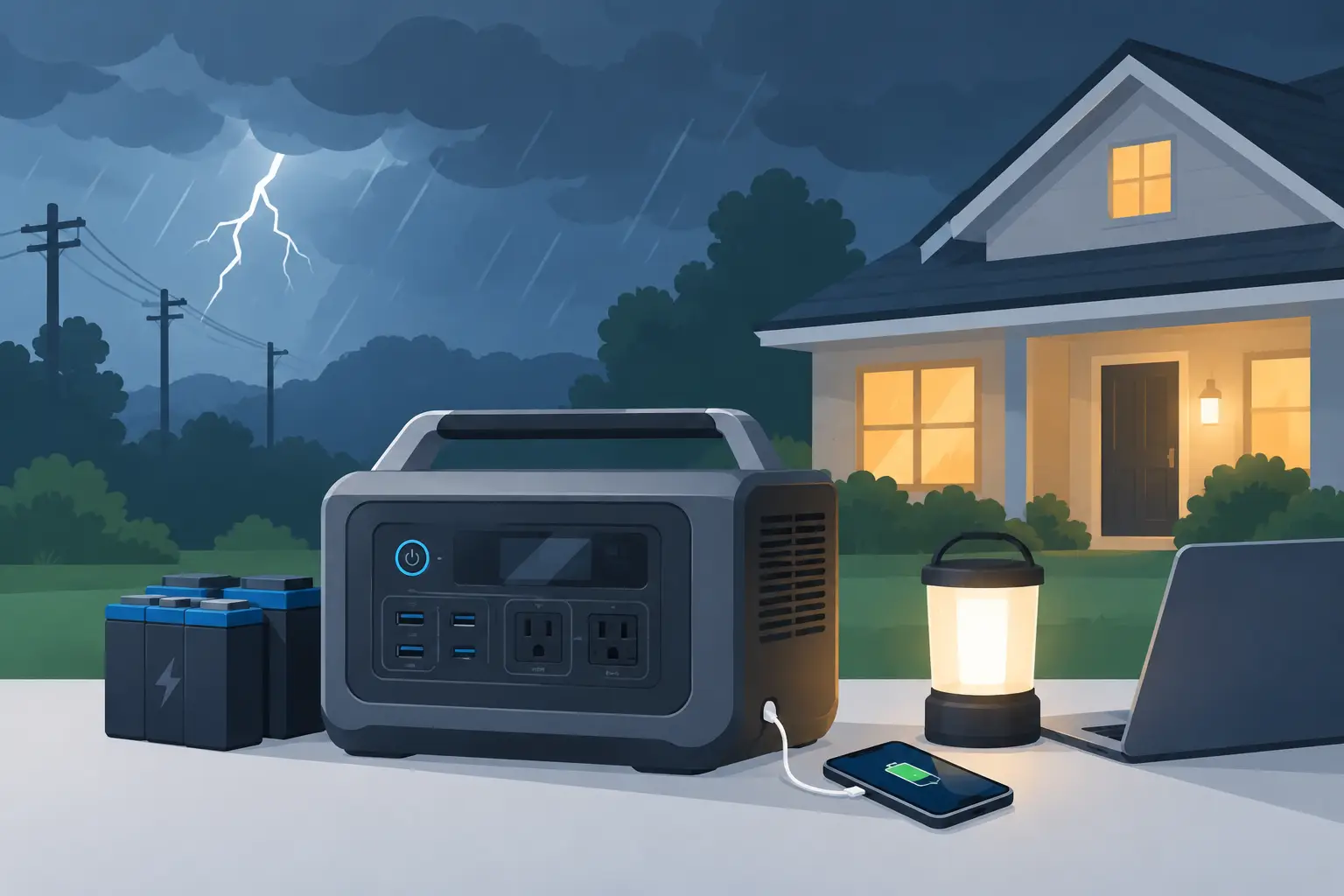
A power outage does not wait for a convenient time. It can hit while food is in the refrigerator, a storm is approaching, guests are checking in, or your small business is trying to process a sale. This lithium battery backup review focuses on the factors that matter when dependable electricity is not a luxury: usable capacity, appliance compatibility, recharge options, and performance you can count on when the grid is down.
For homes and businesses in the Bahamas, backup power also has to fit the reality of hurricane season, intense sun, heat, humidity, and occasional long restoration times. Lithium battery systems are a strong answer for many of those needs, but the right unit depends on what you expect it to run.
Lithium battery backup systems have changed what portable and home-ready emergency power can look like. Compared with traditional lead-acid batteries, lithium iron phosphate, often called LiFePO4 or LFP, batteries generally offer a longer cycle life, lighter weight, faster charging, and more usable energy. That means less time spent managing a battery bank and more practical power when you need it.
For outage planning, the biggest advantage is usable capacity. A lithium power station can typically be discharged much further than a lead-acid battery without causing the same level of wear. A 1,000Wh lithium unit is not just a number on a box. It can support essential devices such as phones, lights, a router, a fan, and some medical equipment for meaningful periods, depending on their actual wattage.
Lithium backup is also quiet. Unlike a fuel generator, it does not require gasoline storage, oil changes, exhaust management, or a pull start in heavy rain. That makes it especially useful indoors, in apartments, vacation properties, bedrooms, and businesses where noise and fumes are not acceptable.
There is a trade-off. Lithium systems usually cost more upfront than a basic generator or lead-acid setup. The value appears over time through longer service life, lower maintenance, solar charging capability, and the ability to use the system regularly instead of keeping it stored until an emergency.
The best battery backup is not necessarily the one with the largest capacity. It is the one that can safely power your priority loads for the length of outage you are preparing for. Start with four specifications: watt-hours, continuous output, surge output, and recharge time.
Battery capacity is usually measured in watt-hours, or Wh. It tells you how much stored energy is available. A 500Wh power station may be enough for charging devices, lighting, a modem, and a fan overnight. A 1,000Wh to 2,000Wh unit offers more breathing room for a refrigerator, television, work equipment, or several essential loads. Larger expandable systems can support major household circuits for much longer.
Real-world runtime is always lower than a simple calculation suggests because inverters use some energy and appliances cycle on and off. As a quick estimate, divide the battery’s usable watt-hours by the appliance wattage. A 1,000Wh battery powering a 100W load may provide roughly eight to nine hours, not a full ten.
Do not plan around the label alone. Check the wattage printed on your devices or use a plug-in watt meter before hurricane season. This small step prevents the common mistake of buying enough battery capacity for phones and lights, then expecting it to run a large refrigerator and window air conditioner all night.
Capacity tells you how long a battery may run. Output tells you what it can run at all. A battery backup with a 1,800W AC output can handle up to 1,800 watts of continuous demand across connected devices. That is suitable for many household essentials, but not every high-draw appliance.
Refrigerators, pumps, power tools, and air conditioners can require a much higher surge of power when they start. Look for a system with clear surge ratings and enough headroom for motors. If a refrigerator draws 150W while running but needs 1,000W or more briefly at startup, a small inverter may shut down even though its battery capacity is adequate.
For whole-home use, consider whether the system can connect through a properly installed transfer switch or dedicated backup input. This is the safer path for selected circuits such as refrigeration, lighting, internet equipment, and outlets. It should be planned with a qualified electrician, particularly where local electrical requirements apply.
A battery is only as useful as your ability to recharge it. AC charging is convenient when utility power is available, while solar charging creates a valuable layer of independence during an extended outage. In bright island conditions, compatible portable solar panels can replenish a power station during daylight and reduce dependence on fuel deliveries or a returning grid.
Check the maximum solar input, not just whether a unit accepts solar panels. A large battery with low solar input may take too long to recharge. Likewise, make sure panels and cables are correctly matched to the manufacturer’s voltage and current limits. More panels are not automatically better if the system cannot accept their combined input.
A practical storm setup often uses both methods: charge fully from the grid when a storm is forecast, then use solar to extend runtime once conditions are safe and daylight returns. Never place panels outside in dangerous wind conditions. Secure them only when weather permits.
For many backup buyers, LiFePO4 is the chemistry to look for. It is known for long cycle life and thermal stability, making it well suited to frequent use and emergency preparedness. It does not mean a power station is invincible. Every battery system needs sensible storage, ventilation, and protection from direct water exposure.
Heat is especially relevant in the Bahamas and other coastal areas. Avoid leaving a battery system in direct sun, inside a sealed hot vehicle, or in a damp outdoor location. Store it in a dry, shaded, ventilated space, and follow the stated operating and charging temperature ranges. Salt air can also affect connectors and metal contacts over time, so keep ports covered when not in use and inspect cables before each season.
A portable power station is an excellent fit for renters, condo owners, outdoor use, and households that need flexible emergency power. It can move where power is needed, charge from solar panels, and support communications, lighting, fans, work equipment, and selected appliances.
A larger home battery backup system fits a different situation. It is better for homeowners who want automatic or near-automatic coverage for critical circuits and less hands-on setup during an outage. It costs more and may require installation, but it can keep core household functions operating with less disruption.
Small businesses and property managers should think in terms of continuity, not convenience. A battery system may protect internet service, point-of-sale equipment, security cameras, communications, lighting, and refrigeration for critical inventory. The key is to separate essential loads from devices that consume heavy power without adding much value during an outage.
Air conditioning is where expectations need the most care. Portable lithium backup can run a small fan very effectively, but central air conditioning and many larger window units demand substantial output and battery capacity. If cooling is a top priority, size the system around the specific unit’s startup and running wattage, then consider solar expansion or a hybrid backup plan.
The first mistake is waiting until a storm watch is issued. Battery inventory can tighten quickly, and you need time to test your equipment, learn its controls, and identify which devices matter most.
The second is treating a battery backup like a generator replacement in every situation. Lithium power is exceptionally useful for quiet, clean, targeted electricity. For multi-day outages with high-demand loads, you may need a larger expandable battery bank, significant solar input, a generator, or a combination of these tools.
The third is failing to test the system. Charge it, run your router, plug in a fan, confirm your refrigerator startup behavior, and practice solar setup on a calm day. An outage is not the time to search for adapters or discover that a critical device exceeds the inverter rating.
Finally, do not overlook maintenance. Keep the battery charged according to the manufacturer’s guidance, inspect cords, protect solar connectors, and review your emergency load plan at least once a year. Preparedness works best when it becomes routine.
The right lithium battery backup gives you more than a charged phone during an outage. It gives your household or business a calmer, more capable way to protect what matters when power is uncertain. Choose the system around your essential loads, prepare it before storm season, and let every sunny day strengthen your next line of defense.
As the shadow of Hurricane Helene still lingers, the storms of 2025 are already on the horizon. Hurricane Helene, a
The Bahamas: turquoise waters, sun-kissed beaches, gentle trade winds, and a relaxed pace of life. It’s one of the most

The Bahamas is blessed with sunshine almost all year round, making it one of the best places on earth to
All rights reserved sol1242.com © 2025


