
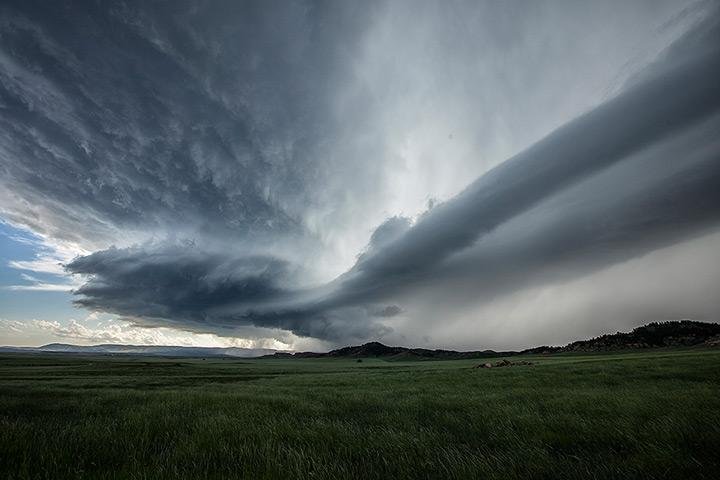
How to Prepare Your Home for the 2026 Hurricane Season
As the shadow of Hurricane Helene still lingers, the storms of 2025 are already on the horizon. Hurricane Helene, a

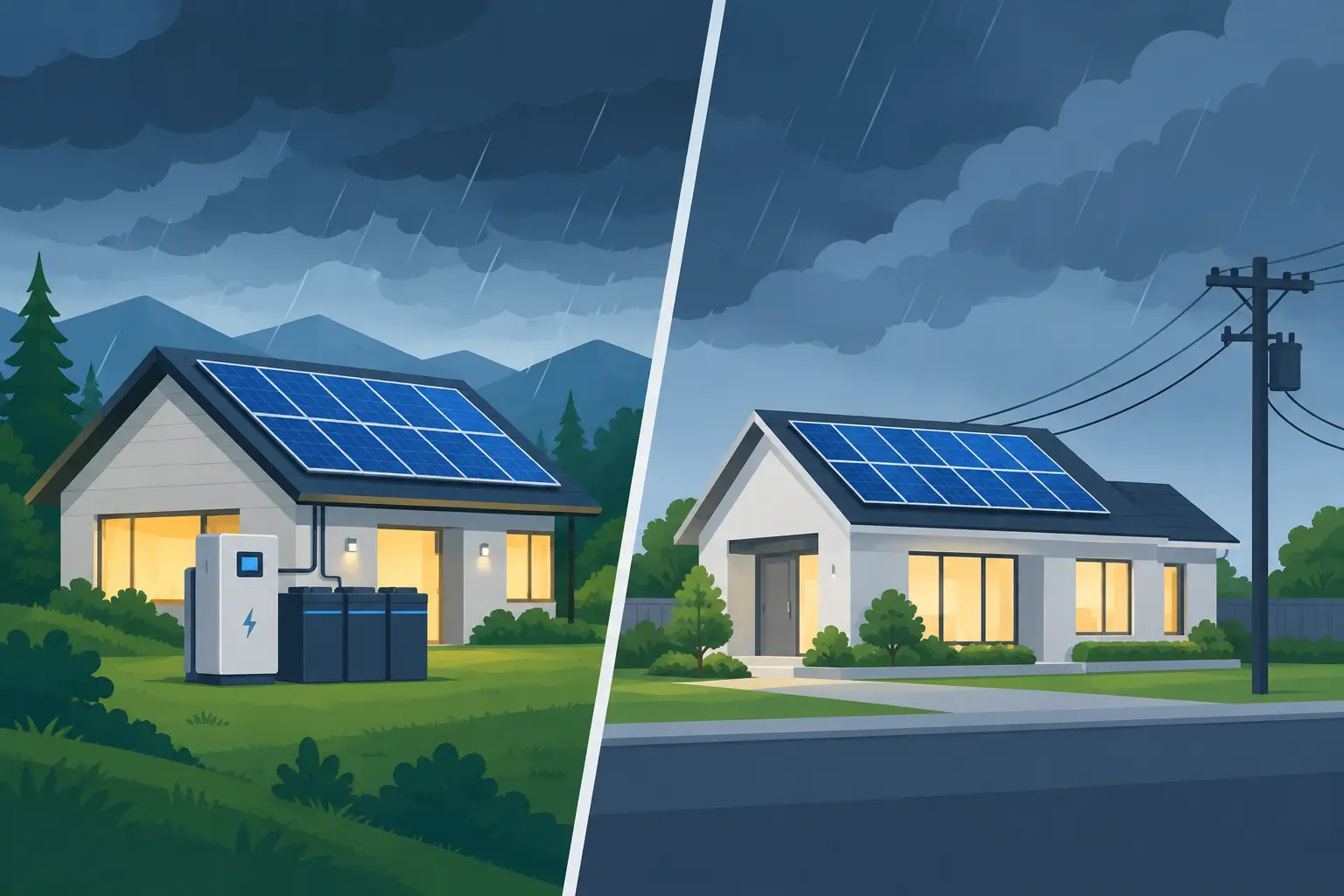
When the power goes out, solar panels alone do not guarantee that your refrigerator stays cold, your water pump runs, or your business can open the next morning. That is why the off grid solar vs grid tied decision matters far more than choosing panels based on price. The right system depends on whether you need lower utility bills, dependable backup power, or the ability to operate when the grid is unavailable.
For homes and businesses in storm-prone areas, the best answer is often not an all-or-nothing choice. Understanding how each system works helps you invest in the protection you actually need before hurricane season or the next unexpected outage.
A grid-tied solar system works alongside the utility grid. Your solar panels produce electricity during daylight hours, and your property uses that power first. When production exceeds demand, excess electricity may flow to the grid, subject to local utility rules. When solar production is low, such as at night or during heavy cloud cover, you continue using grid power.
An off-grid solar system operates independently of the utility. It uses solar panels, batteries, an inverter, and charge-control equipment to produce, store, and deliver electricity on-site. Because there is no grid to fill the gap, an off-grid system must be sized carefully for your daily energy use and the periods when sunlight is limited.
The distinction is simple, but the real-world trade-offs are significant. Grid-tied systems usually cost less upfront and can reduce monthly utility costs. Off-grid systems offer greater energy independence, but batteries and additional equipment raise the initial investment.
Grid-tied solar makes sense when the utility service is generally reliable and your main goal is to offset daytime energy use. It can be a practical fit for a home, retail space, rental property, or office that consumes substantial electricity while the sun is out.
The appeal is straightforward: fewer batteries mean lower equipment costs and less system complexity. If your utility offers favorable crediting for excess solar generation, the financial case can become stronger. However, utility policies vary, and homeowners should not assume that every location offers the same billing arrangement.
There is one limitation that catches many people by surprise. A standard grid-tied solar system typically shuts down during a grid outage. This safety feature prevents solar electricity from flowing onto utility lines while crews may be making repairs. Even if the sun is shining on your panels, your property may still be without power.
Off-grid solar is built for places where utility power is unavailable, unreliable, or simply not the power source you want to depend on. It is common for remote homes, docks, agricultural sites, outdoor operations, and properties that need an independent source of electricity.
Because the system stores energy in batteries, off-grid solar can keep supplying power after sunset and during an outage. That makes it especially valuable for essential loads such as refrigeration, communications, lights, internet equipment, security systems, and medical devices.
The trade-off is planning. A system that can power a few lights and phone chargers is very different from one designed to run central air conditioning, electric cooking, laundry equipment, and a large water pump. Off-grid power must be designed around what you need to keep running, how long it must run, and how much solar production is available during less-than-perfect weather.
If uninterrupted power is the goal, the choice is not strictly grid-tied versus off-grid. A third option often provides the most practical balance: a hybrid solar system.
A hybrid system remains connected to the grid but includes battery storage. During normal conditions, it can use solar power, stored battery energy, and grid electricity as needed. During an outage, it can separate from the grid and power selected circuits from the battery and solar array.
For many homeowners, this is the better answer than attempting to take the entire property off-grid. You can protect the loads that matter most without paying to build a battery bank large enough to run every appliance in the house for several days.
A well-planned backup setup may support your refrigerator and freezer, lights, fans, Wi-Fi, phones, a television, and selected outlets. A larger system can support more, but every added load increases battery capacity, inverter size, and solar requirements. Air conditioning, electric water heaters, dryers, and electric ranges can consume energy quickly, so they require careful planning rather than assumptions.
In the Bahamas and other coastal markets, the decision should account for more than average electricity use. Heat, humidity, salt air, and severe weather place real demands on energy equipment. The system you choose should be installed with proper ventilation, secure mounting, weather-appropriate components, and a battery location protected from flooding and direct exposure.
Storm readiness also means thinking about what happens before and after the event. A portable power station paired with portable solar panels can provide a fast, flexible backup option for apartment residents, renters, smaller homes, and people who need power for phones, lights, fans, communications, and essential electronics. It is not a replacement for a full-home system, but it can be the difference between having basic power and having none.
For a larger home or business, a permanently installed battery backup system may be the better fit. Property managers can prioritize common-area lighting, gate access, security cameras, internet equipment, and refrigeration. Small businesses may prioritize point-of-sale equipment, communications, lighting, and inventory protection. The right backup plan protects operations, not just convenience.
SOL242 focuses on practical solar and battery solutions for these real conditions, where dependable backup power is part of preparing for island life rather than a luxury purchase.
Grid-tied solar is usually the lower-cost entry point because it does not require substantial battery storage. It can reduce the amount of electricity purchased from the utility, especially when daytime consumption is high. But its value during an outage is limited unless batteries are included.
Off-grid solar generally costs more because batteries must cover nighttime use and periods of low solar production. You may also need a backup generator for extended cloudy weather or high-demand periods. That additional equipment is not a flaw in off-grid design. It is part of building a power system with enough layers of protection for the way you live or work.
Battery backup changes the economics, but it also changes the value of the system. A battery can preserve food, keep communications active, support remote work, reduce business downtime, and help maintain security during an outage. Those benefits are difficult to measure only on a monthly utility bill.
Before comparing quotes, separate your goals. Are you trying to lower bills, survive outages comfortably, operate without utility service, or cover all three? A cheaper system that cannot power critical loads when the grid fails may not deliver the protection you expected.
The most reliable way to make this decision is to start with what cannot be allowed to shut off. For a household, that may be refrigeration, lighting, fans, communications, a water pump, and medical equipment. For a business, it may be security, internet, payment systems, refrigeration, or equipment that protects inventory.
Then consider four practical questions:
If your priority is reducing utility use and outages are uncommon, grid-tied solar may be enough. If you need reliable power through outages but still have utility service, a hybrid solar and battery system is often the strongest fit. If your property has no dependable utility connection, off-grid solar is the clear path, provided the battery and solar capacity are sized for reality.
Power security starts before the weather forecast turns serious. Choose the system that protects your essential loads, fits your property, and gives you confidence that the next outage will not put your home, business, or daily routine on hold.
As the shadow of Hurricane Helene still lingers, the storms of 2025 are already on the horizon. Hurricane Helene, a
The Bahamas: turquoise waters, sun-kissed beaches, gentle trade winds, and a relaxed pace of life. It’s one of the most
The Bahamas is blessed with sunshine almost all year round, making it one of the best places on earth to
All rights reserved sol1242.com © 2025


