
How to Prepare Your Home for the 2026 Hurricane Season
As the shadow of Hurricane Helene still lingers, the storms of 2025 are already on the horizon. Hurricane Helene, a

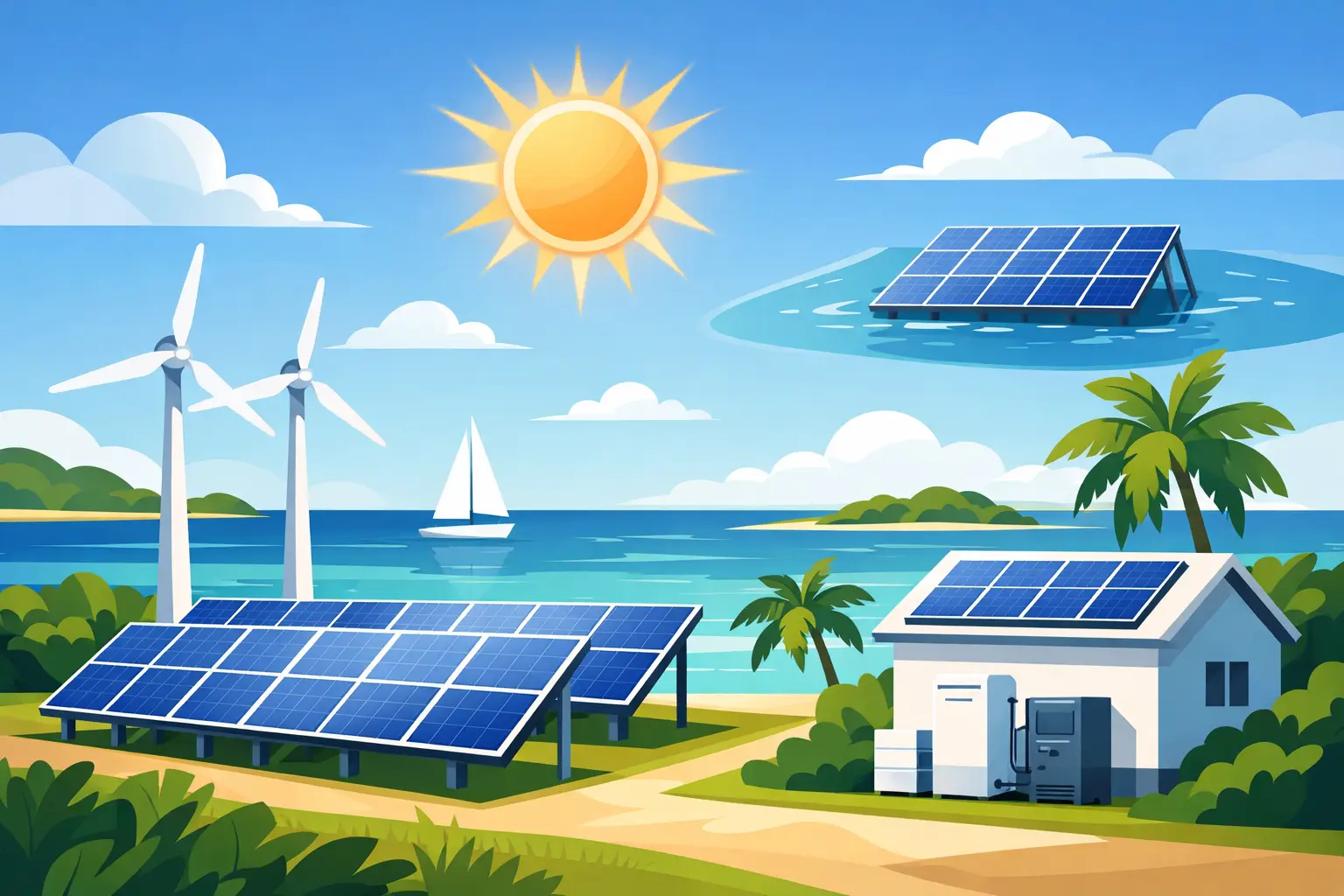
When the power drops in the middle of a hot evening or a storm warning is posted across the islands, a solar system in Bahamas stops being a nice idea and starts looking like basic protection. For homeowners, small businesses, and property managers, the question is not whether backup power matters. The real question is what kind of system will actually hold up in Bahamian conditions and deliver power when you need it most.
That answer depends on how you use electricity, how long you need backup power, and what risks matter most at your property. Some people need to keep a few essentials running through short outages. Others want to cut monthly power costs while building a stronger defense against grid instability. A good setup can do both, but only if the system is matched to island reality – heat, humidity, salt air, and hurricane season.
A solar setup in the Bahamas has a tougher job than the average system in a mild inland climate. It has to produce power efficiently under strong sun, but it also needs to withstand harsh environmental exposure over time. Coastal air can be hard on components. High heat affects performance. Storm season changes the conversation from convenience to resilience very quickly.
That is why the best systems are not chosen on panel wattage alone. The full package matters. Panels, batteries, inverters, mounting hardware, and portable backup units all need to make sense together. A system that looks affordable upfront can become expensive if it fails early, cannot store enough energy, or leaves key appliances offline during an outage.
For many Bahamian customers, reliability is the deciding factor. Saving money on electricity is attractive, but dependable backup power usually comes first. If your refrigerator, internet, lights, security system, fans, medical devices, or business equipment cannot go down, your solar plan should start there.
Most people shopping for solar in the Bahamas fall into one of three categories. The first is portable backup. This includes portable power stations paired with portable solar panels. These systems are easy to use, require no major installation, and make sense for apartments, renters, boaters, outdoor users, and anyone who wants emergency power ready before the next outage. They are also useful for charging phones, running small appliances, keeping lights on, and supporting communication devices during short interruptions.
The second category is solar generators and home battery backup systems. These are better suited for households or small businesses that need more power and longer runtime. A battery-backed setup can keep essential circuits operating without the noise, fuel storage, and maintenance that come with traditional gas generators. For many families, this is the sweet spot. It offers real backup security without requiring a fully off-grid property.
The third category is a larger home or commercial solar system with battery storage. This is the strongest option for reducing dependence on the grid and lowering electricity costs over the long term. It can power daily consumption, store excess energy for nighttime or outages, and create a more stable energy plan for properties that use a lot of electricity. The trade-off is cost. These systems require a bigger upfront investment and more careful sizing.
The biggest mistake people make is buying based on a vague idea of power needs. A better approach is to think in layers. Start with what must stay on no matter what. Then look at what would be helpful to keep running. After that, decide what you are willing to leave off during an outage.
For a home, essentials often include the refrigerator, lights, phone charging, internet, fans, and sometimes a small freezer or medical equipment. For a small business, priorities may include POS systems, routers, security cameras, lights, and cold storage. Once you know your critical loads, you can estimate how much battery capacity and solar input make sense.
If your goal is only short-term outage support, a portable power station may be enough. If you want overnight backup or all-day support for multiple appliances, you are usually looking at a larger battery system. If your electricity bill is high and you want savings as well as backup, a broader solar-plus-storage system is often the better fit.
This is where practical planning matters more than chasing the biggest unit available. Oversizing can waste money. Undersizing creates frustration the first time the grid goes down and your battery empties too soon.
Not every product marketed as solar-ready is ready for the Bahamas. This climate rewards durable equipment and punishes weak points. Corrosion resistance matters. So does build quality in connectors, frames, enclosures, and mounting systems. Heat tolerance is another major factor, especially for batteries and electronics exposed to warm conditions for long periods.
Storm resilience should also be part of the purchase decision, not an afterthought. That does not mean every product is hurricane-proof. It means the system should be selected and installed with severe weather in mind. Portable systems should be easy to store quickly before a storm. Mounted systems need hardware and installation methods designed for high winds. Battery placement should protect against water exposure and unsafe operating conditions.
A lower price can be tempting, but durability pays off in island settings. When equipment is meant to support your household or business during an emergency, reliability is part of the value.
A lot of buyers first look at solar because utility costs are painful. That makes sense. Over time, a well-matched system can reduce your dependence on expensive grid electricity and give you more control over your energy use. But in the Bahamas, solar buying decisions are often driven by a second issue that feels more urgent – power continuity.
That is why battery storage changes the value of solar so much. Panels alone help generate electricity when the sun is out. Batteries let you keep that energy available when the grid fails, at night, or during unstable service. Without storage, your solar setup may offer savings but not the level of protection many island households actually need.
For some buyers, the right move is starting small with a portable system and building up later. For others, it makes more sense to invest once in a larger backup solution that can handle core appliances from day one. It depends on your outage history, budget, and tolerance for disruption.
Residential buyers often want peace of mind first. A family home may need enough backup power to protect food, maintain airflow, charge devices, support remote work, and keep the house functional after a storm. In that case, a battery backup system with solar charging can offer both everyday value and emergency readiness.
For vacation homes or rental properties, reliability can protect more than comfort. It can help preserve security systems, maintain internet-connected devices, and reduce the risk of spoilage or extended downtime between visits. Property managers usually benefit from systems that are simple to monitor and easy to depend on.
Small businesses have even less room for power interruptions. Lost refrigeration, dead payment systems, poor lighting, and dropped connectivity can quickly turn into lost revenue. A properly sized solar and battery system can keep operations moving during outages and reduce the business risk tied to unstable power.
Off-grid users and outdoor customers have a different set of priorities. Portability, fast setup, and flexible charging matter more. For them, compact power stations, foldable solar panels, and solar generators often make the most practical sense.
A good solar purchase starts with honest questions. How many devices or appliances do you need to run? For how long? Is this mainly for outages, daily savings, or both? Do you need portability, or are you planning a fixed installation?
Then look at product quality, battery capacity, recharge speed, solar compatibility, and support. Warranty coverage matters too, especially when you are buying equipment expected to perform through harsh weather and repeated outages. If a system is meant to protect your household or business, after-sale support is not a small detail.
This is also why localized guidance matters. A product that looks good in a general online listing may not be the best choice for the Bahamas. Island conditions call for equipment selected with durability, weather exposure, and emergency use in mind. That practical focus is where brands like SOL242 stand out.
The best solar system is not always the largest or most expensive. It is the one that keeps your essential power on, fits your property, and stands up to the conditions you actually live with. In the Bahamas, that kind of reliability is not a luxury. It is part of being ready.
As the shadow of Hurricane Helene still lingers, the storms of 2025 are already on the horizon. Hurricane Helene, a
The Bahamas: turquoise waters, sun-kissed beaches, gentle trade winds, and a relaxed pace of life. It’s one of the most

The Bahamas is blessed with sunshine almost all year round, making it one of the best places on earth to
All rights reserved sol1242.com © 2025


1 thought on “Solar System in Bahamas: What Works Best”
[…] and mounting hardware need to resist corrosion, especially near the coast. If your cabin is in the Bahamas or along the US coast, these are not minor details. They affect lifespan, safety, and system […]