

Best Solar Generator for Outages
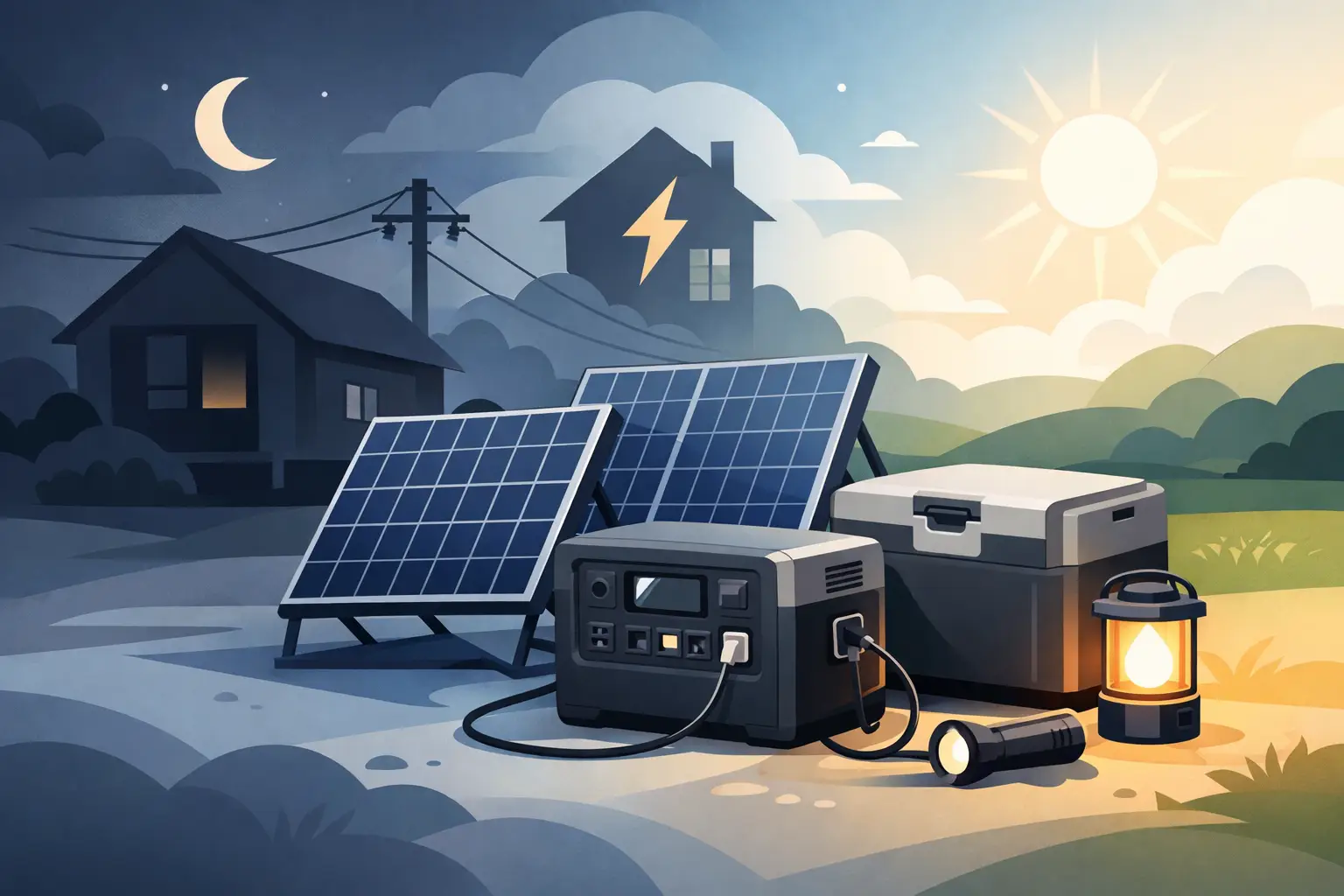
When the lights go out at 2 a.m., nobody cares about marketing terms. You care about whether the fridge stays cold, the Wi-Fi stays on, and the phone battery does not hit 3% while the storm is still outside. Choosing the best solar generator for outages comes down to one thing: matching backup power to the loads you actually need, in the conditions you actually live with.
For homes and small businesses in coastal areas, that decision matters even more. Heat, humidity, salt air, and storm season put extra pressure on any backup system. A unit that looks good on paper can still be the wrong fit if it cannot recharge fast enough, handle surge loads, or run long enough to get you through an overnight outage.
What makes the best solar generator for outages?
A good outage-ready solar generator is not simply the biggest battery you can afford. Capacity matters, but so do inverter output, recharge speed, battery chemistry, portability, and the number of devices you need to support at once.
Battery capacity, measured in watt-hours, tells you how long the unit can run your essentials. If you want to power a modem, a few lights, charge phones, and keep a fan running, you may be fine with a smaller portable power station. If you want refrigerator coverage, CPAP support, television, laptop charging, and some kitchen use, you need a larger system. If your goal is partial home backup, you are moving into a different class altogether.
Inverter output, measured in watts, determines what the generator can run at one time. This is where many buyers get tripped up. A generator may have enough battery capacity to run a refrigerator for hours, but if the inverter cannot handle the refrigerator’s startup surge, it will not matter. Outages are not the time to discover your backup unit can charge a phone and little else.
Recharge speed is just as important. During extended outages, especially after a storm, your system needs a realistic path back to full power. Wall charging matters before the storm. Solar input matters during the outage. If your generator takes all day to recharge and the weather is inconsistent, your margin for error gets thin fast.
Start with what you must keep running
The easiest way to choose the right size is to stop thinking in product categories and start thinking in priorities. What has to stay on no matter what? For most households, that usually means refrigerator, phones, lights, internet, fans, medical devices, and maybe a television or small appliance.
If your outage plan is modest, a smaller power station can make sense. It is easier to move, easier to store, and usually more affordable. This kind of setup is practical for apartment living, short outages, or households that mainly need communications, lighting, and small electronics.
If your outages tend to last longer, or you want more normal daily function, the best solar generator for outages is usually a mid-size or high-capacity model with enough inverter power for kitchen and household essentials. That gives you room to run a refrigerator confidently and still charge devices, power lights, and support work-from-home needs.
For property managers and small business owners, the conversation shifts again. You may need to keep security systems, point-of-sale equipment, routers, freezers, or office electronics operating. In those situations, runtime and outlet flexibility often matter more than portability.
Battery type matters more than most buyers realize
If you are comparing older lithium-ion models with LiFePO4 battery systems, the safer long-term bet for outage preparedness is usually LiFePO4. These batteries are known for longer cycle life, better thermal stability, and stronger long-term value.
That matters for two reasons. First, outage gear should be ready when you need it, not halfway through its useful life after a couple of seasons. Second, if you live in a hot climate, battery durability becomes more than a spec sheet talking point. Heat is hard on equipment. A more stable battery chemistry gives you better odds of dependable performance over time.
This does not mean every home needs the most expensive model on the market. It means you should view battery quality as part of resilience, not an optional upgrade.
Portable vs. whole-home backup
There is no single answer to the best solar generator for outages because outage plans are different.
Portable solar generators are the right choice when you want flexibility, fast setup, and targeted backup for essentials. They work well for renters, smaller homes, emergency kits, job sites, and households that need backup power without installation. They also make sense if you want something useful year-round for camping, outdoor work, or off-grid use.
Larger home battery systems make more sense when outages are frequent, longer, or more disruptive. If losing power means food spoilage, work interruptions, water pump issues, or serious household disruption, a larger installed backup solution may be the smarter investment. It costs more upfront, but it delivers more continuity.
The trade-off is simple. Portable units are more accessible and flexible. Larger systems provide more coverage and less day-to-day compromise. Your best option depends on how much inconvenience you are trying to avoid.
Solar charging during an outage is a real advantage
A backup battery that cannot recharge is still useful, but only for a while. Pairing your generator with portable solar panels changes the equation. It turns backup power from a countdown into an ongoing recovery tool.
This is especially valuable after storms, when fuel supply can be unpredictable and grid restoration may take longer than expected. With enough solar input, you can top off essential devices during the day and stretch battery use into the evening.
That said, solar charging is not magic. Panel size, weather, shading, and charging efficiency all affect performance. If you buy a large-capacity generator and under-size the solar panels, recharge times may be frustratingly slow. A balanced setup matters. The battery and panels should be chosen together, not as separate afterthoughts.
Features worth paying for and features you can skip
Some features genuinely improve outage readiness. A clear display with input and output data helps you manage loads. Multiple AC outlets and USB ports reduce workarounds. Fast AC charging helps you prepare quickly when a storm is approaching. Pass-through charging can also be useful in some setups.
Expandable battery capacity is worth considering if you expect your needs to grow. Today you may only want refrigerator and lights. Next year you may want broader home coverage or backup for a small office.
On the other hand, not every premium feature is essential. App control can be convenient, but it should not outrank battery quality, inverter strength, or charging performance. Fancy extras do not help much if the system is undersized for your actual needs.
How to avoid buying too small
The most common mistake is shopping by price first and backup plan second. A low-cost unit can look appealing until you realize it cannot run a full-size refrigerator, or it drains too quickly once you add a fan and a few lights.
A practical rule is to calculate both running watts and expected runtime. Think about what you need to power simultaneously, then estimate how many hours you may need coverage. If your area sees brief outages, your sizing can be leaner. If your concern is hurricane season or infrastructure-related interruptions, it pays to build in more margin.
That margin matters because real-world use is rarely neat. People add devices, charging losses happen, and outage conditions are stressful. A little extra capacity often feels unnecessary on purchase day and absolutely necessary on outage day.
The best fit for coastal and storm-prone conditions
If you live where storms are seasonal and outages are not rare, your backup power should be selected with those realities in mind. Reliability beats novelty. Durable battery chemistry, strong solar recharge options, and enough output for your critical loads should lead the decision.
That is why many buyers now look for systems designed around preparedness rather than recreation alone. A solar generator used for camping on the weekend is one thing. A solar generator expected to support your household after a storm is another. The standard has to be higher.
For customers in the Bahamas and similar coastal markets, that practical difference matters. Products need to be chosen for real outage use, real weather exposure, and real household demands. That is the mindset SOL242 is built around.
The right backup system should leave you feeling less exposed, not more dependent on guesswork. If you choose based on essential loads, runtime, recharge speed, and battery quality, you will be much closer to a setup that earns its place the first time the grid goes down. And when that next outage hits, calm is worth more than a bargain.


