
Posted on Leave a comment

Is Battery Backup Worth It in Bahamas?

Is Battery Backup Worth It in Bahamas?

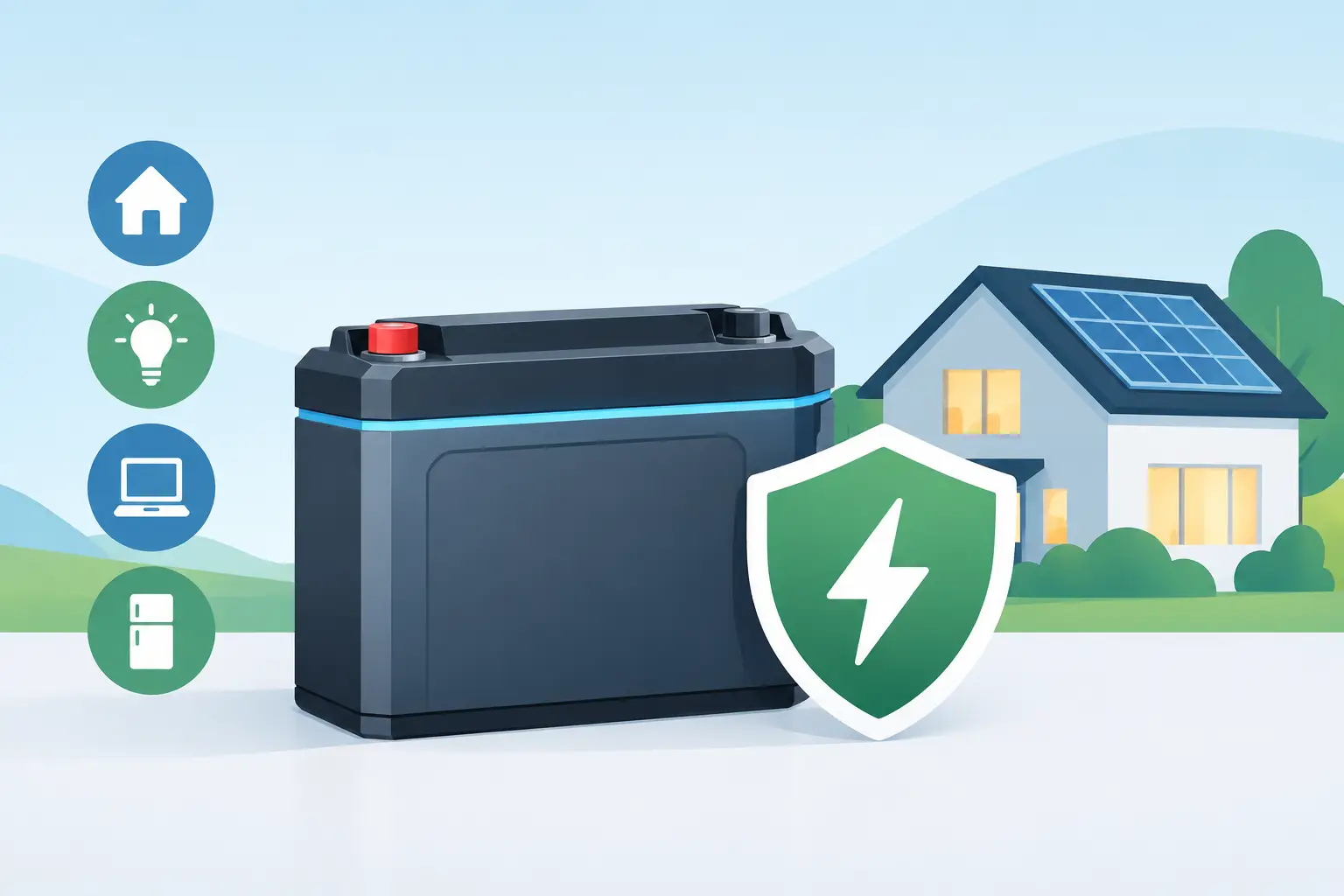
When the power drops in the middle of a hot night, the question stops being theoretical. Is battery backup worth it in Bahamas? For many homeowners and business owners, the answer is yes – but the real value depends on what you need to keep running, how often outages affect you, and whether you want short-term convenience or long-term energy independence.

In the Bahamas, backup power is not just about comfort. It can mean keeping food from spoiling, maintaining internet for work, running lights and fans safely, protecting electronics from disruption, and keeping a small business open when the grid is down. Add hurricane season, salt air, heat, and rising electricity costs, and battery backup starts to look less like an extra and more like a practical layer of protection.

Is battery backup worth it in Bahamas for everyday use?

If your only goal is emergency lighting a few times a year, a small portable power station may be enough. If you deal with regular outages, voltage instability, or high electric bills, the value of battery backup grows quickly. The Bahamas has a mix of grid reliability challenges and weather exposure that makes stored power useful even outside major storm events.

A battery system gives you immediate backup without the noise, fuel storage, fumes, or engine maintenance of a gas generator. That matters in residential neighborhoods, vacation properties, apartment settings, and places where fast, quiet power is a better fit than pulling a starter cord during bad weather.

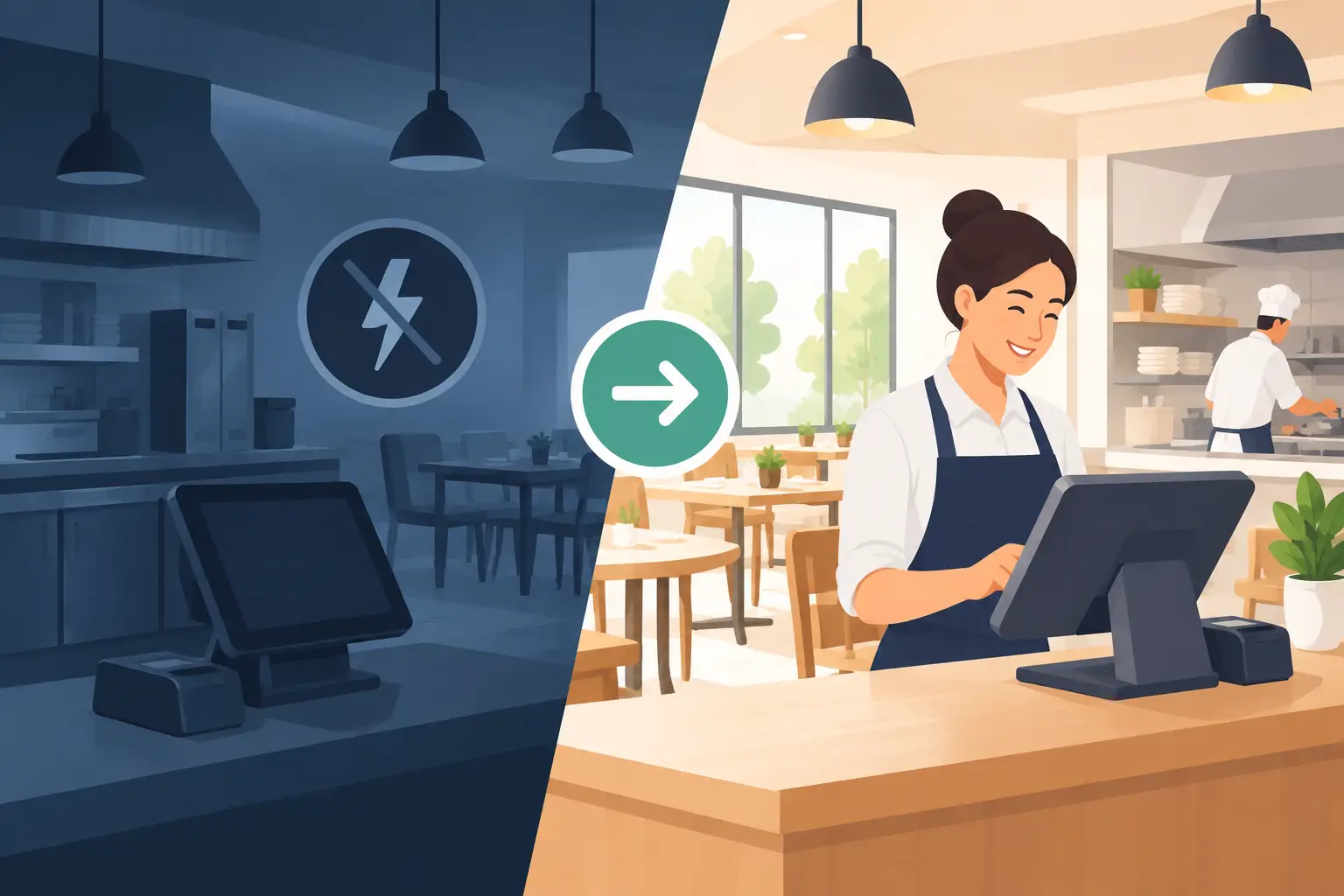
For families, the biggest benefit is continuity. You can keep phones charged, run Wi-Fi, power lights, fans, a TV, medical devices, or parts of your kitchen depending on system size. For business owners, battery backup can protect point-of-sale systems, routers, security equipment, office devices, and refrigeration loads that cannot afford repeated interruptions.

The catch is simple. Batteries are not one-size-fits-all. A small unit is excellent for essentials, but it will not run central air conditioning or a full house all night. Larger home battery backup systems can do far more, but they come with a higher upfront cost. So the better question is not just whether battery backup is worth it. It is whether the right size system is worth it for your property.

Where battery backup makes the most sense

Battery backup tends to pay off fastest for people who feel the cost of outages immediately. That includes homeowners with children, elderly family members, or medical equipment. It also includes remote workers who lose income when the internet and devices go down.

Small businesses often see strong value as well. If a short outage shuts down card payments, lighting, communications, or cold storage, lost revenue can exceed the cost of backup faster than many owners expect. Property managers and vacation rental operators also benefit because guests notice power interruptions right away, and poor backup planning can quickly become a reputation problem.

Off-grid users and boaters have another reason to invest. Portable solar generators and battery systems provide flexible power without depending on fuel deliveries or noisy machinery. In island conditions, that flexibility matters.

Battery backup versus fuel generators

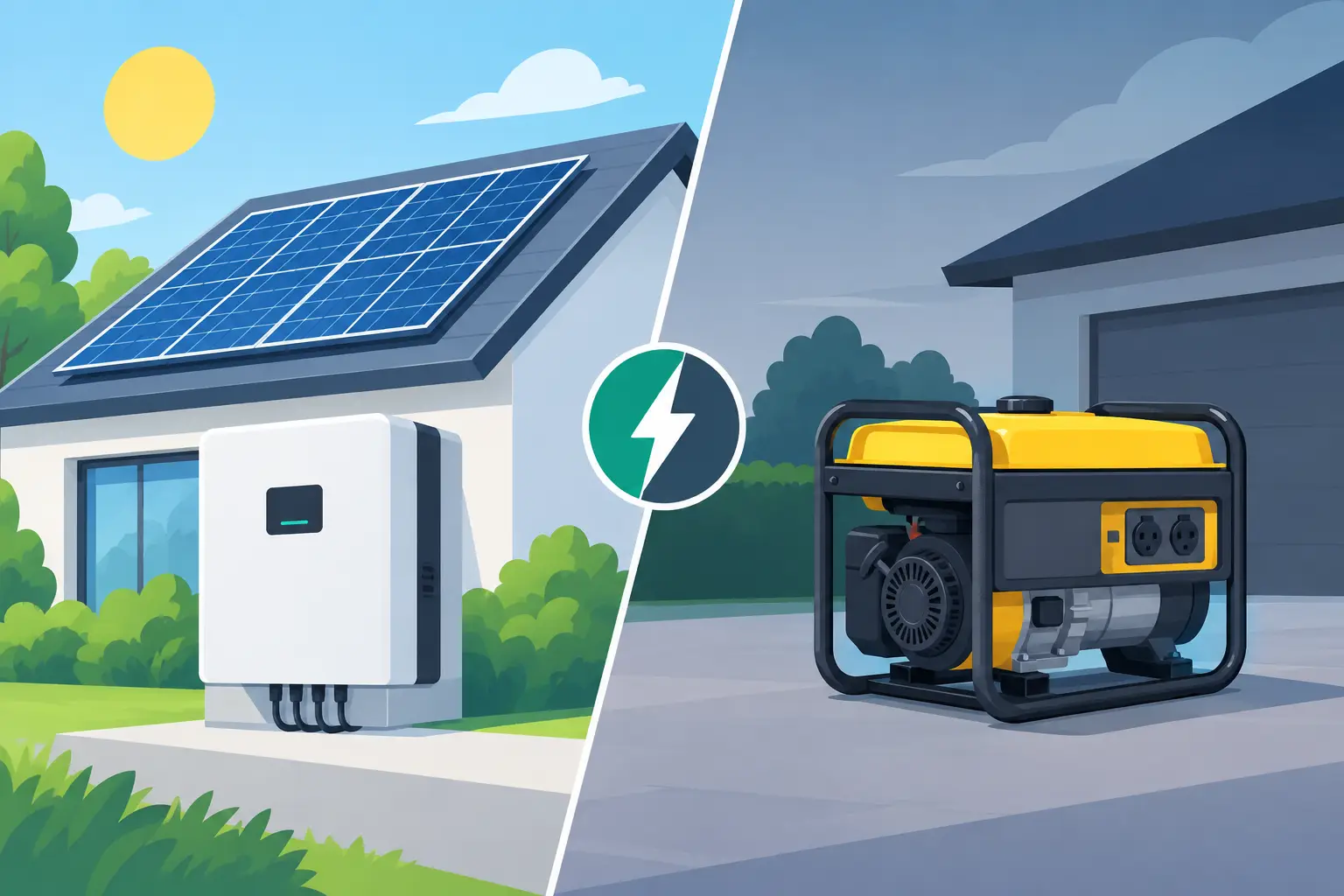
A lot of buyers compare battery backup to a traditional generator, and that is fair. Generators still have a role, especially when you need high output for long durations and want to run heavy loads like large air conditioners or multiple appliances at once. But batteries offer clear advantages that make them especially appealing in coastal and storm-prone environments.

Battery backup turns on fast, runs quietly, and needs far less hands-on maintenance. There is no gasoline or diesel to store, no oil changes, and no struggle to source fuel after a storm when supply lines are stressed. For indoor-safe use with many portable power stations, there are also no exhaust fumes to manage.

On the other hand, batteries have limits tied to capacity. Once stored energy is used up, you need to recharge from the grid, solar panels, or another source. A generator can keep going as long as fuel is available. That is why many people choose battery backup for daily resilience and pair it with solar for longer outages.

In practical terms, batteries are often the better fit for essential loads, quiet overnight use, apartment living, and anyone who wants cleaner, lower-maintenance backup. Generators are often the better fit for whole-property heavy-load coverage if noise, fuel, and upkeep are acceptable trade-offs.

The cost question: upfront price versus real value

The main reason people hesitate is the purchase price. A quality battery backup setup costs more upfront than flashlights, surge protectors, or a very small generator. But judging value only by sticker price misses the bigger picture.

A battery system can save money indirectly by reducing food loss during outages, avoiding emergency fuel purchases, protecting work productivity, and lowering dependence on expensive grid power when paired with solar. Over time, some users also see savings from shifting part of their daily consumption to stored solar energy instead of buying all power from the utility.

There is also the value of convenience and peace of mind. That may sound intangible, but it becomes very real when a storm is approaching and your backup plan does not depend on finding fuel, dealing with noise complaints, or troubleshooting an engine that has been sitting for months.

For many buyers, the strongest financial case comes from matching system size to actual priorities. If you overspend on capacity you will never use, the return looks weak. If you size correctly around your essentials, the investment often feels justified much sooner.

How to tell if battery backup is worth it for your property

Start with one simple question: what absolutely needs to stay on when the grid fails? For some homes, that is lights, phones, fans, internet, and a refrigerator. For others, it may include security systems, medical devices, a freezer, or work equipment. A small business might prioritize payment systems, routers, emergency lighting, and cold storage.

Then consider outage length. If most interruptions are short, a portable power station or mid-size backup unit may cover you well. If outages can stretch for many hours or longer after storms, larger battery capacity and solar charging become far more attractive.

Your property type matters too. Renters and condo owners often prefer portable systems because they are easy to use and do not require major installation. Homeowners with more space and larger power needs may benefit from a dedicated home battery backup system. If you already have solar or plan to add it, battery backup becomes more valuable because you can recharge with sunlight instead of relying only on the grid.

Choosing equipment for island conditions

Not all power products are built with coastal realities in mind. Heat, humidity, and salt exposure are hard on electrical equipment, especially if it is stored poorly or used outdoors. That is one reason quality matters so much in the Bahamas.

Look for battery backup and solar equipment designed for durability, safe battery management, and dependable output under demanding conditions. Weather resistance, reliable warranties, and support from a seller that understands island use cases are not minor details. They are part of the value.

Portable solar panels also add another layer of resilience. They help keep power stations charged during extended outages and reduce dependence on the grid. That is especially useful after storms, in remote areas, or anywhere fuel access can become uncertain.

For buyers who want practical options matched to real outage needs, SOL242 focuses on backup power and solar products selected for heat, humidity, and storm-readiness rather than generic one-size-fits-all solutions.

When battery backup may not be worth it

There are cases where the answer is no, or at least not yet. If you rarely lose power, have minimal essential loads, and are comfortable with a very basic emergency setup, a full battery system may be more than you need. The same is true if your expectation is whole-home air conditioning and unlimited runtime on a small budget. Batteries are powerful, but they do not erase the need to prioritize loads and size a system realistically.

It may also make sense to wait if you have no clear plan for what you want to power. Backup products deliver the best value when chosen with purpose. Buying the wrong capacity often leads to disappointment, either because the unit is too small for your needs or too expensive for what you actually use.

The practical answer

For many people in the Bahamas, battery backup is worth it because power reliability is not something to gamble on. It protects everyday comfort, supports storm preparedness, and creates more control over how you manage outages and energy costs. The smartest approach is not buying the biggest system available. It is choosing a backup setup that covers your essentials, fits your property, and can hold up under island conditions.

If power interruptions have already cost you sleep, spoiled groceries, business downtime, or unnecessary stress, that is usually your answer right there. The right battery backup does more than keep the lights on – it gives you options when the grid does not.

Posted on Leave a comment

Can Solar Generators Run Air Conditioners?

Can Solar Generators Run Air Conditioners?

When the power goes out in the middle of a hot night, one question matters fast: can solar generators run air conditioners? The short answer is yes, but only when the system is sized correctly. Air conditioners are one of the hardest household appliances to power, so the real issue is not whether a solar generator can run one. It is whether your generator can handle your specific AC’s startup surge, running wattage, and required runtime.

That distinction matters for anyone planning backup power in storm season, managing a rental property, or trying to stay comfortable off-grid. A phone charger and a fan are easy loads. An air conditioner is not. If cooling is part of your emergency plan, guessing is expensive.

Can solar generators run air conditioners reliably?

Yes, many can, but reliability depends on three things: inverter output, battery capacity, and the type of air conditioner you want to run. A small portable power station may handle a window unit for a short period, while a larger solar generator or home battery system may support a more efficient inverter AC for much longer.

The biggest hurdle is startup power. Air conditioners often need a surge of electricity when the compressor kicks on. That surge can be much higher than the unit’s normal running watts. If your solar generator cannot handle that surge, the AC simply will not start, even if the battery is full.

The second hurdle is runtime. Running an AC for 20 minutes is very different from running it through the night. That is where battery size becomes the deciding factor.

What determines if your AC will work?

Before choosing any solar backup setup, check your air conditioner’s label or manual. You want to know the running wattage and, if possible, the startup or surge wattage. If the label only shows amps and volts, multiply them to estimate watts.

A small, efficient window unit might run at 500 to 700 watts and surge higher at startup. A larger window AC may need 900 to 1,500 running watts. Portable air conditioners are often less efficient than people expect, and central air systems usually require far more power than most portable solar generators can provide.

Battery capacity is just as important. A generator with enough output to start your AC may still run out quickly. For example, a battery around 1,000Wh might power a 500-watt air conditioner for roughly 1.5 to 2 hours under real-world conditions, sometimes less once inverter losses and compressor cycling are factored in. If your goal is overnight cooling, you need a much larger battery bank or a strategy that cools only one room.

Window units are usually the most practical

For emergency cooling, window air conditioners are often the best match for solar generators. They are simpler, more efficient than many portable floor units, and easier to size for backup power. If you are preparing for outages, a smaller high-efficiency window unit in one bedroom can be a far more realistic plan than trying to power your whole house cooling system.

Portable ACs can work, but often disappoint

Portable air conditioners with hoses are popular because they are easy to move, but many draw more power than a similar-size window unit. That means shorter runtime and a bigger battery requirement. They can still work with the right solar generator, but they are rarely the most efficient choice for backup power.

Central AC is a different category

Most central air systems are beyond the reach of standard portable solar generators. They often have large startup demands and high continuous loads. Running central air usually calls for a substantial whole-home battery system, careful load planning, and sometimes soft-start equipment installed by a professional. For many households, backing up one room instead of the entire ducted system is the more practical and cost-effective move.

How long can a solar generator run an air conditioner?

This is where expectations need to stay grounded. Solar input helps, but the battery still does most of the heavy lifting, especially in the evening, during cloudy weather, or after a storm when conditions are not ideal.

A rough way to estimate runtime is to divide usable battery watt-hours by the AC’s average running watts. If you have a 2,000Wh battery and your air conditioner averages 600 watts, you might expect around 2.5 to 3 hours after accounting for energy losses. If the compressor cycles on and off, runtime may stretch longer. If the day is brutally hot and the AC runs constantly, runtime drops.

That is why solar generators are often best for targeted cooling. Keep one bedroom cool at night. Protect a home office during a daytime outage. Maintain a comfortable area for children, older adults, or anyone sensitive to heat. Backup power works best when it is focused.

Solar panels help, but they do not erase battery limits

People sometimes picture a solar generator running an AC endlessly in full sun. In real life, it depends on how much solar input your panels can produce compared with how much power the air conditioner is using.

If your panels bring in 800 watts and your AC uses 600 watts on average, you may be able to run for extended daytime periods while also slowing battery drain. But if passing clouds cut panel output in half, or if your AC spikes higher in afternoon heat, the battery starts covering the gap.

In the Bahamas and other high-sun environments, solar charging can make a major difference during the day. Still, outage planning should assume less-than-perfect conditions. Storm season rarely delivers ideal sunlight exactly when you need it most.

What size solar generator do you need?

For most people, the right answer starts with the cooling goal rather than the biggest unit available. If you only need to cool one room during outages, a properly matched generator with enough surge capacity and a healthy battery reserve can do the job. If you want all-night runtime, you need more stored energy. If you want to run larger air conditioners, you need both higher inverter output and more battery capacity.

As a general rule, small power stations are better suited for fans, lights, routers, and device charging than for serious cooling. Mid-size systems may run a compact window AC for short to moderate periods. Larger solar generators and expandable battery systems are the better fit for overnight cooling, repeated outages, or homes where dependable backup power is not optional.

This is where product quality matters. In hot, humid, coastal environments, backup equipment needs to do more than look good on paper. It needs to perform when the grid is down, the air is heavy, and the room temperature is climbing.

Common mistakes that lead to poor results

The most common mistake is buying based on battery size alone. A large battery does not help if the inverter cannot handle the air conditioner’s startup surge.

The second mistake is trying to power too much. Running an AC, refrigerator, microwave, and several other appliances from one portable system drains capacity fast and can overload the unit. During outages, disciplined load management is what stretches comfort and runtime.

The third mistake is ignoring efficiency. If backup cooling is a priority, the air conditioner itself matters as much as the generator. Choosing an efficient window unit can reduce the size and cost of the power system you need.

Another mistake is assuming solar charging will fully carry the load every day. Panels help, but weather, shading, roof angle, and storm conditions all affect output. Build your plan around battery-backed resilience first. Treat solar recharging as a strong advantage, not a guarantee.

When a solar generator makes sense for AC backup

A solar generator is a strong fit when you need quiet indoor-safe backup power, want relief from fuel dependence, and care about resilience during outages. Unlike gas generators, battery systems do not require constant refueling, and they are easier to use for overnight indoor comfort.

They are especially useful for homeowners and small businesses that want a cleaner, lower-maintenance backup plan for critical needs. If your goal is to protect comfort in one key room, support a small office, or keep guests and family safe during summer outages, a well-sized solar generator can be a smart investment.

For customers planning around hurricane season or unreliable grid conditions, the better question is not simply can solar generators run air conditioners. It is which setup will run your air conditioner long enough to make a real difference when conditions are tough.

The best approach is usually targeted cooling

Trying to back up whole-home air conditioning with a portable system often leads to frustration. Targeted cooling is what works. Cool the room you will actually use. Close doors. Add blackout curtains. Use fans to circulate air and reduce the AC load. That kind of planning turns a backup power system from a nice idea into something dependable.

If you are shopping for backup power, size your system around the air conditioner you truly need, not the one you wish you could run. That is the path to better performance, longer runtime, and more confidence when the grid fails.

A good backup plan should leave you feeling prepared, not hopeful.

Posted on Leave a comment

7 Best Home Battery Backup Systems

7 Best Home Battery Backup Systems

When the power goes out at 2 a.m. and the fridge, Wi-Fi, lights, and security system all drop at once, battery backup stops being a nice idea and becomes a household priority. The best home battery backup systems are the ones that keep essential loads running without guesswork, hold up in heat and humidity, and make sense for how your home actually uses power.

For homeowners in storm-prone and outage-prone areas, the right system is not always the biggest or most expensive. It is the one sized correctly, installed properly, and matched to your daily habits, backup goals, and local conditions. If you are comparing options before hurricane season or trying to cut dependence on the grid year-round, here is what separates a smart purchase from an expensive mismatch.

What makes the best home battery backup systems?

A good home battery system does three jobs well. First, it stores enough usable energy to carry the loads you care about. Second, it delivers enough power at one time to start and run those loads. Third, it charges in a way that fits your setup, whether that means solar, grid charging, or both.

That sounds simple, but this is where many buyers get tripped up. Battery capacity, usually measured in kilowatt-hours, tells you how long a system can run. Power output, measured in kilowatts, tells you what it can run at the same time. A battery may have plenty of stored energy but still struggle if your air conditioner, pump, or refrigerator all try to start together.

The best systems also account for real-world conditions. In coastal climates, heat, salt air, and humidity are not small details. They affect performance, placement, lifespan, and maintenance. That is why weather-aware product selection matters just as much as specs on paper.

The 7 best home battery backup systems to consider

1. Whole-home lithium battery systems

If your goal is to keep most or all of the house operating during an outage, whole-home lithium battery systems are the strongest option. These are typically wall-mounted or floor-mounted systems designed to pair with a home inverter and, often, a solar array.

They work best for larger homes, families with frequent outages, and property owners who want backup power to feel automatic. The biggest advantage is scale. You can often start with one battery and add more later. The trade-off is cost. This route usually requires professional design and installation, and it makes the most sense when you want permanent protection rather than occasional emergency backup.

2. Modular expandable battery systems

Modular systems are a practical middle ground for households that want flexibility. Instead of committing to a large battery bank all at once, you can build capacity over time. That is useful if your budget is tight now but your backup needs may grow later.

These systems are especially attractive for homeowners who want to start with essentials like lights, refrigeration, fans, and internet, then expand to larger circuits. The main advantage is control. The downside is that not every modular platform expands as smoothly as advertised, so compatibility and future availability matter.

3. Solar generator systems for home essentials

Not every home needs a permanently installed battery wall. Portable solar generator systems with high-capacity batteries can cover critical loads during shorter outages and are often easier to deploy quickly. They are popular with renters, smaller homes, and anyone who wants emergency power without a major installation project.

For essential appliances, communications, medical devices, and basic comfort, a serious portable power station can be enough. Just be realistic about limits. A solar generator may run a refrigerator and some lights well, but central air conditioning, electric water heating, and whole-home panels are another category entirely.

4. Hybrid battery systems with solar charging

Hybrid systems combine the strengths of solar and storage. During the day, solar can power loads directly and recharge the battery. At night or during an outage, the battery carries the load. For homeowners trying to reduce fuel dependence, this is one of the most resilient setups available.

This option makes particular sense in sunny coastal regions where outages can last beyond a single evening. The trade-off is that system design matters more. Panel size, battery size, inverter capacity, and load planning all have to work together. If one part is undersized, the whole system feels weaker than it should.

5. Essential-load battery backup systems

For many households, the smartest move is not whole-home backup but essential-load backup. That means selecting the circuits that matter most, usually refrigeration, lights, internet, security, fans, a few outlets, and possibly a water pump.

This keeps costs down while still protecting comfort and safety. It is often the best value for homeowners who experience regular outages but do not want to spend for whole-house coverage. The key is honesty. If you expect a compact system to behave like a full-house generator replacement, you will be disappointed.

6. High-output systems for heavy appliances

Some homes need backup for larger loads such as well pumps, multiple refrigerators, workshop equipment, or parts of an HVAC system. In that case, power output matters just as much as battery capacity. High-output systems are built to handle stronger surge demands and heavier continuous loads.

These systems can be excellent for larger households and small businesses, but they require tighter planning. A battery with strong output usually costs more, and you may also need more storage than expected if those heavier loads run for long periods.

7. Stackable off-grid battery systems

If you live off-grid full-time or want serious independence from unstable utility service, stackable off-grid systems offer long-term control. These setups are built to manage daily cycling, renewable charging, and larger battery banks.

They are ideal for cabins, remote homes, and properties where power continuity is non-negotiable. They are less ideal for someone who simply wants a quick outage solution with minimal setup. Off-grid capability is powerful, but it comes with more planning, more components, and more responsibility.

How to choose the right system for your home

Start with what must stay on. Not what would be nice to keep on, but what truly matters in an outage. For most households, that means the refrigerator, freezer, lights, fans, communications, and possibly pumps or medical equipment. Once you know those loads, you can estimate both required power and runtime.

Then think about outage length. If your utility interruptions usually last a few hours, a smaller system may be enough. If storms can leave you without power for a day or more, battery capacity and solar recharging become much more important.

Your climate should shape the decision too. In hot, humid environments, equipment placement and enclosure quality matter. A battery system installed in a poorly ventilated space may not age well. Products designed for demanding conditions are worth the attention, especially when reliability is the whole point.

Budget matters, but so does expansion. A cheaper system that cannot grow may cost more in the long run if your needs change. On the other hand, paying for whole-home backup when you only need essential circuits can tie up money better spent on solar input, surge protection, or added battery capacity.

Best home battery backup systems vs. generators

This is not an either-or debate for every household, but it helps to be clear about strengths. Batteries are quiet, instant, low-maintenance, and safe for indoor-adjacent installation when designed for that purpose. They are excellent for overnight outages, everyday load shifting, and pairing with solar.

Generators still have an edge for very long outages and heavy continuous loads, especially if fuel is available. But fuel availability is exactly where the equation gets complicated after storms. Batteries do not need refueling, and when paired with solar, they offer a more independent recovery plan.

For many homeowners, the best answer is based on tolerance for noise, maintenance, refueling, and power interruptions. If you want automatic, quiet backup for essential loads, batteries are often the better fit. If you need to run large HVAC loads for days without enough solar input, a generator may still play a role.

Common mistakes buyers make

The biggest mistake is shopping by battery size alone. A large number in kilowatt-hours looks reassuring, but it does not tell you whether the system can handle startup surges or power enough circuits at once.

Another mistake is underestimating installation details. Transfer switches, inverter compatibility, panel configuration, and charging strategy all affect the final result. Even a strong battery can feel disappointing if the system around it is poorly matched.

Some buyers also ignore where and how the equipment will live. In island conditions, durability is not a bonus feature. It is part of the buying decision. If your system will face heat, moisture, or salt exposure, that should be factored in early, not after the purchase.

What a smart purchase looks like

A smart battery backup purchase feels boring in the best way. When the grid drops, your essentials stay on, your family stays comfortable, and you are not running extension cords in the dark. That kind of reliability comes from matching the system to the home, not chasing the biggest headline spec.

If you are comparing products now, focus on real backup goals, expansion potential, charging options, and how the system will perform in your environment. For homeowners who need dependable outage protection and practical energy independence, SOL242’s approach is the right one to follow – choose equipment built for real conditions, not just showroom promises.

The best backup system is the one you trust before the next storm shows up, not the one you wish you had after it passes.

Posted on Leave a comment

How to Size Home Battery Backup Right

How to Size Home Battery Backup Right

When the power drops at 2 a.m. and the fridge, Wi-Fi, lights, and phone chargers all matter at once, guessing is expensive. If you are figuring out how to size home battery backup, the goal is simple: keep the essentials running for the time you actually need, without overpaying for capacity you will never use.

For most homeowners, battery sizing goes wrong in one of two ways. They either buy too small and discover during the first outage that the system cannot handle real-life demand, or they buy far more than necessary because every appliance got added to the wish list. A better approach is to size around your priorities, your outage pattern, and the way your home actually uses power.

How to size home battery backup without guessing

Start with three numbers: what you need to power, how many watts those items use, and how long you want them to run. That is the foundation. Everything else – inverter size, battery capacity, solar recharge, and expansion – comes after that.

Think of battery backup as two separate jobs. First, it must supply enough power at one time to start and run your devices. Second, it must store enough energy to keep them going for the length of the outage. Those are related, but they are not the same thing.

Power is measured in watts. Energy storage is measured in watt-hours or kilowatt-hours. If your essentials draw 1,000 watts and you want them for 10 hours, you need about 10,000 watt-hours, or 10 kWh, before losses and reserve margins are considered.

Step 1: Decide what really needs backup

The cleanest way to size a system is to split your loads into tiers. Your first tier is non-negotiable essentials. That usually means refrigerator, freezer, a few lights, internet equipment, phones, medical devices, fans, and maybe a small TV or laptop setup. Your second tier is comfort loads like a microwave, coffee maker, or extra lighting. Your third tier is heavy equipment such as central air conditioning, electric water heaters, clothes dryers, or pool pumps.

This matters because not every outage requires whole-home backup. In the Bahamas and coastal parts of the US, many households are really planning for storm outages and grid interruptions, not trying to live exactly as usual for days. A battery system sized for essentials is often much more affordable and much more practical than one sized for every circuit in the house.

If you are protecting a small business, rental property, or vacation home, the same rule applies. Focus first on what prevents spoilage, communication loss, security issues, or tenant disruption.

Step 2: Add up your running watts

Now look at the appliances and devices you want to support. You can find wattage on the label, in the manual, or by measuring actual use with a plug-in power meter for smaller devices. For larger household circuits, an electrician or energy monitor can help you get a more realistic number.

Here is where people often underestimate. A refrigerator may average low power over a day, but it cycles on and off. Wi-Fi gear is small, but it runs nonstop. Fans are usually manageable. Air conditioners are where sizing jumps fast.

A typical essentials setup might look something like this in real use: a fridge at 150 to 300 running watts, internet and modem at 20 to 40 watts, LED lighting at 50 to 150 watts total, fans at 50 to 100 watts each, phone charging at very little, and a TV or laptop adding another 50 to 150 watts. That can put a basic outage load somewhere around 500 to 1,200 running watts depending on the home.

If you want to power a window AC, full-size kitchen appliances, or pump equipment, the number climbs quickly. That does not mean you should avoid those loads. It means they need to be planned deliberately.

Step 3: Check surge power, not just running power

Some appliances need extra power for a few seconds when they start. This is called surge or startup wattage. Refrigerators, freezers, pumps, and air conditioners are common examples.

This is where inverter sizing becomes critical. Your battery may have enough stored energy to run the appliance for hours, but if the inverter cannot handle the startup surge, the appliance may not start at all. A system built for island backup should be able to handle those real-world spikes, especially when storm season puts refrigeration and water access at the top of the priority list.

As a simple rule, make sure your inverter can support the total running watt load plus the highest startup demand you expect at one time. If the fridge and a pump may kick on together, plan for that. If you can stagger some loads manually, you may be able to size more efficiently.

Step 4: Calculate how many hours of backup you need

This is the part that turns a basic power station into a serious backup plan. Ask yourself how long outages usually last where you live and what level of disruption you can tolerate.

If your goal is to ride through short outages of a few hours, a smaller system may be enough. If you want overnight coverage or multi-day resilience after a storm, you need much more stored energy, and ideally a way to recharge from solar.

Take your total running load and multiply it by the number of hours you want. If your critical loads average 800 watts and you want 12 hours of backup, that is 9,600 watt-hours or 9.6 kWh. Then add extra capacity for inverter losses, battery reserve, and usage spikes. In practice, many homeowners add 15 to 25 percent as a buffer so the system is not running at the edge.

That same example would suggest aiming closer to 11 to 12 kWh of usable battery capacity. If you expect hotter conditions, heavier fan use, or less disciplined energy use during outages, leaning toward the higher end is smart.

How to size home battery backup for storm outages

Storm planning changes the math a little. You are not just covering one evening without power. You may be preparing for uncertain restoration times, limited fuel access, and hotter indoor conditions.

In that case, prioritize longer runtime over trying to support every heavy appliance. A battery system that keeps refrigeration, communication, lighting, fans, and device charging running for a day or more is often more valuable than a smaller whole-home setup that drains quickly under larger loads.

If you pair the battery with portable or rooftop solar, you can reduce the amount of storage you need upfront because you can recharge during daylight hours. That said, solar production during storm periods can be inconsistent. It helps most after the weather clears, not always during the worst of it. So your battery should still be able to carry the critical overnight load on its own.

Step 5: Decide between essentials backup and whole-home backup

This is less about ideology and more about budget and expectations. Essentials backup is usually the best fit for households that want dependable protection without rebuilding the entire electrical system. Whole-home backup makes sense when you have larger budgets, larger energy use, or business-critical equipment that cannot go down.

For many homes, the sweet spot is a partial-home system. You back up key circuits and leave out the biggest power hogs unless there is a clear reason to include them. That gives you meaningful resilience with a more manageable system size.

If central AC is a must, your battery requirement can jump from modest to very large. The same goes for electric water heating and large cooking loads. There is nothing wrong with that, but it changes the project from basic backup to high-capacity home energy storage.

Step 6: Leave room to grow

A good battery backup system should match today’s needs and still make sense a year from now. Maybe you add another freezer, work from home more often, or want longer runtime during hurricane season. Choosing an expandable system can save money and stress later.

This is especially helpful for homeowners who want to start with a strong core setup and build out over time. A modular battery approach or a system that can accept added solar later gives you flexibility without forcing a huge first purchase.

It is also worth thinking about environmental conditions. Heat, humidity, and salt air are hard on equipment. For coastal and island properties, durability is not a bonus feature. It is part of proper sizing, because a system that looks good on paper but struggles in harsh conditions is not really sized for the job.

Common sizing mistakes to avoid

The biggest mistake is using nameplate numbers without considering actual usage patterns. The second is ignoring surge loads. The third is forgetting recharge. If your outage risk includes multi-day interruptions, battery capacity alone is only part of the answer.

Another common issue is planning around comfort instead of continuity. During an outage, what matters most is food preservation, communication, airflow, lighting, and any medical or security needs. Once those are covered, then you can decide how much extra convenience is worth the additional battery cost.

If you are between two sizes, the better choice usually depends on outage frequency. In areas with occasional short interruptions, smaller may be fine. In places where storms and long outages are part of life, more reserve capacity usually pays for itself in peace of mind.

The best battery backup system is not the biggest one. It is the one that keeps your home functional when the grid does not. Size for the loads that protect your household first, give yourself a margin for real conditions, and build a setup you can count on when power is not optional.

Posted on Leave a comment

7 Best Solar Generators for Hurricanes

7 Best Solar Generators for Hurricanes

When a storm warning turns serious, backup power stops being a nice extra and becomes part of the plan. The best solar generators for hurricanes are the ones that keep your essentials running safely, recharge fast between outages, and hold up in hot, humid, coastal conditions where reliability matters most.

A lot of buyers make the same mistake: they shop by battery size alone. Capacity matters, but hurricane prep is really about matching the right power station to the appliances and routines that protect your household. If your unit cannot start a refrigerator compressor, recharge quickly after a long outage, or stay practical to move before landfall, it is not the right fit no matter how impressive the spec sheet looks.

What makes the best solar generators for hurricanes?

For storm season, a solar generator needs to do three jobs well. First, it must power critical loads like a fridge, router, lights, phones, medical devices, fans, and sometimes a small window AC. Second, it must recharge in more than one way, because sunshine is not guaranteed right after a storm. Third, it needs to be simple enough to use under stress, when nobody wants to troubleshoot settings in the dark.

Battery chemistry is a big factor. LiFePO4 batteries are usually the stronger choice for hurricane backup because they last longer, handle frequent charging better, and generally offer better thermal stability than older lithium-ion options. For homeowners and small businesses planning for repeat outages over many seasons, that longer service life is worth paying for.

Output matters just as much as capacity. A 2,000Wh power station with weak inverter output may struggle with surge-heavy appliances. On the other hand, a unit with strong output but too little battery can run your fridge for only a short window. The best setup balances both.

Portability is another trade-off. A larger solar generator gives you more runtime, but it is heavier and harder to move quickly. If you live in a condo, manage a rental property, or need to store backup power upstairs, that weight matters. Bigger is not always better.

7 best solar generators for hurricanes

1. Large whole-room backup units

If your goal is to keep multiple essentials running at once, a large-capacity solar generator in the 2,000Wh to 4,000Wh range is usually the strongest choice. This category works well for refrigerators, communication devices, lights, fans, work equipment, and longer outages where you need real staying power instead of a few hours of convenience.

These are often the best solar generators for hurricanes for full-time homeowners because they cover the basics without forcing constant power rationing. They also pair well with larger folding solar panels once the weather clears. The downside is weight and cost. They are less grab-and-go, and they need a dedicated storage spot.

2. Mid-size home backup power stations

For many households, the sweet spot is a mid-size unit around 1,000Wh to 2,000Wh with solid inverter output. This size can usually handle a fridge for a limited period, plus phones, lights, internet gear, and small appliances if you manage usage carefully.

This is often the practical choice for buyers who want emergency coverage without stepping into whole-home pricing. It is also a strong fit for apartments, smaller homes, and people who want something one person can still move without too much trouble. If your plan is focused on essentials rather than comfort loads, this category deserves a close look.

3. Expandable solar generators

Expandable systems are ideal if your needs may grow. You can start with a main unit and add extra battery capacity later, which makes them attractive for homeowners, property managers, and small business owners who want flexibility.

For hurricane prep, expandability helps because outage lengths vary. One storm may knock power out for a day. Another may stretch much longer. An expandable setup lets you build a more serious backup system over time instead of replacing your first purchase. The trade-off is complexity and price. Not everyone needs a modular system, especially if your backup plan is simple.

4. Fast-charging solar generators

Charging speed matters more than many people realize. During hurricane season, utility power may come back briefly and then fail again. A fast-charging power station can take advantage of that short window and top up much faster than older or entry-level models.

This is one of the most overlooked features in the best solar generators for hurricanes. If a unit takes all day to recharge from AC power, it can leave you exposed during unstable grid conditions. Fast charging is not flashy, but in real outages it can make the difference between staying prepared and falling behind.

5. Portable units for grab-and-go backup

Smaller portable power stations are not designed to run an entire home, but they still have a role in hurricane readiness. They are useful for phones, radios, lights, CPAP machines, routers, and other low-draw essentials. They also make sense for evacuation, vehicle use, or keeping a separate emergency kit ready.

These units are best treated as part of a layered plan, not the whole plan. If your main concern is refrigeration, cooling, or longer runtime, a compact unit alone will not be enough. But as a second backup source, it adds resilience.

6. Solar generators paired with high-watt solar panels

A good power station becomes much more valuable when paired with enough solar input. After a storm passes, solar panels can help you extend runtime without relying entirely on fuel or a recovering grid. In sunny coastal regions, that can be a major advantage.

The key is not just having panels, but having enough panel wattage to charge the battery in a useful timeframe. A large battery with undersized solar input can be frustratingly slow. Matching the station to the right panel setup is where many buyers either build a dependable system or end up disappointed.

7. Home backup systems for serious outage planning

If you need coverage beyond portable essentials, a larger battery backup system may be the better answer than a standard portable unit. These systems are better suited for households with higher loads, more occupants, or business continuity needs.

They cost more, and installation can be more involved, but they provide a stronger level of protection. For buyers in storm-prone areas who are tired of repeated outages, this category often delivers the most peace of mind. Portable solar generators are excellent for many situations, but there is a point where a more permanent backup approach makes better sense.

How to choose the right size for your storm plan

Start with what must stay on, not what would be nice to have. For most homes, that means refrigeration, communication, lighting, charging, and medical needs. If comfort is part of the plan, add fans or a small window AC, but recognize that cooling loads push you into a much larger system.

Then think in hours, not just watts. A refrigerator might cycle on and off, while a router runs continuously. Phones barely matter compared with cooling and kitchen appliances. A realistic outage plan looks at both startup power and runtime.

It also helps to think in phases. Before the storm, your unit should be fully charged and easy to access. During the outage, it should support essentials without requiring constant attention. After the storm, it should recharge efficiently from whatever sources are available. A generator that looks good on paper but fails one of those phases is a poor hurricane choice.

Features worth paying for

Weather awareness should shape your buying decision. That means prioritizing durable casing, dependable battery chemistry, clear displays, and enough ports for the devices you will actually use. It also means choosing equipment from a seller that understands backup power as a necessity, not a gadget category.

An app can be useful, but it is not essential. Wheels may matter more than Wi-Fi if your unit weighs over 70 pounds. Quiet operation is helpful if you are running power overnight inside a home or business. And if you are in a coastal environment like the Bahamas or other high-humidity regions, build quality matters more than extra gimmicks.

Common mistakes to avoid

One mistake is assuming any solar generator can power an air conditioner. Some can, many cannot, and even when they do, runtime may be shorter than expected. Another is buying too small because the lowest price feels safer. A cheap unit that cannot run your critical loads is expensive in the worst way.

People also underestimate charging options. AC wall charging, car charging, and solar charging all matter during storm recovery. The more flexibility you have, the stronger your backup plan becomes.

If you are buying for hurricane season, think like someone preparing for disruption, not like someone buying tech for occasional camping. That shift in mindset usually leads to a better decision.

The right solar generator is the one you can count on when the grid is down, the weather is rough, and your household still needs to function. Choose for real conditions, size for essential loads, and give yourself enough backup to stay calm when the forecast changes.

Posted on Leave a comment

Portable Power Station vs Generator

Portable Power Station vs Generator

When the power goes out at 2 a.m. and the air stops moving, the question is no longer what looks better on a spec sheet. It becomes portable power station vs generator, and which one will keep your food cold, your phones charged, and your home or business functioning without adding new problems in the middle of an outage.

For many households and small businesses, both options can serve a purpose. But they are not interchangeable. The right choice depends on what you need to run, how long you need backup power, where you plan to use it, and how much noise, maintenance, and fuel handling you are willing to deal with.

Portable power station vs generator: the real difference

A portable power station stores electricity in a battery and delivers it through AC outlets, USB ports, and other output options. You charge it from a wall outlet, a vehicle, or solar panels. A generator creates electricity on demand, usually by burning gasoline, propane, or diesel.

That basic difference shapes everything else. A power station is quiet, clean to operate, and simple to use indoors. A generator is louder, more powerful in many cases, and often better suited for heavier loads or longer runtimes if fuel is available.

If your priority is safe indoor backup for essentials, a portable power station often makes more sense. If your priority is running large appliances or tools for long stretches, a generator may still be the stronger fit.

What matters most during an outage

In real-world backup situations, people rarely need to power everything. They need to power the right things. That could mean a refrigerator, modem, lights, fans, a CPAP machine, phones, security equipment, or a cash register and router for a small business.

A portable power station is usually the easier answer for essential electronics and small to medium household loads. You can place it inside, plug in devices quickly, and avoid the mess of fuel storage or engine exhaust. That matters during storms, overnight outages, and situations where you want power without stress.

A generator becomes more attractive when you need high starting wattage or longer continuous output. Large refrigerators, freezers, power tools, pumps, and some air conditioning systems may push beyond what a smaller battery unit can handle. In those cases, generator capacity can be a major advantage.

Still, more power is not always better if it comes with added noise, maintenance, and fuel dependence. During storm season, fuel access can become a problem fast.

Noise, fumes, and where you can use them

This is where the gap gets wider.

Portable power stations are quiet enough for bedrooms, apartments, offices, hotel rooms, boats, and indoor use during overnight outages. They produce no exhaust while operating, which means no carbon monoxide risk from normal use. That makes them especially practical for homes, condos, and enclosed spaces where safety and comfort matter.

Generators must be used outdoors with proper clearance. They produce engine noise and exhaust, and improper placement can be dangerous. For many homeowners, that alone is enough to narrow the decision. If you need backup power inside the house without worrying about fumes or waking everyone up, a battery-based system is the simpler and safer tool.

For island and coastal conditions, there is another layer. Salt air, humidity, and storm exposure are hard on mechanical equipment. Generators can absolutely be useful, but they require more care. A portable power station has fewer moving parts, which often means less day-to-day maintenance and fewer headaches over time.

Fuel vs charging: convenience changes everything

A generator is only as useful as your fuel supply. If you already store fuel safely and rotate it properly, that may not be a problem. But in extended outages, especially after severe weather, finding more fuel can become one more urgent task.

A portable power station shifts the equation. You charge it before an outage, top it off from the grid when available, and in many setups recharge it with solar panels when the grid stays down. That can be a major advantage for energy independence. Instead of depending entirely on gas stations or deliveries, you have a path to keep producing usable power during daylight hours.

This is one reason portable solar-ready systems are gaining ground with homeowners and property managers. They reduce dependence on outside supply chains at the exact moment those supply chains are under pressure.

That said, charging takes time. A generator can keep producing power as long as fuel is fed into it. A battery system has a fixed amount of stored energy, and once it is drained, you need time and a charging source to refill it.

Runtime depends on your habits

People often ask which option lasts longer, but that depends on what you plug in.

A portable power station can run LED lights, Wi-Fi, phones, laptops, routers, and medical devices for many hours, sometimes much longer than expected if you manage usage carefully. It can also support refrigerators and other appliances depending on battery size and load. If you only run essentials, runtime stretches.

A generator can run longer in practical terms because you can refuel it. But that does not always mean it is more efficient for smaller needs. Running an engine just to charge a phone, power a modem, and keep a few lights on is often overkill.

For many homes, the smartest approach is load matching. Use a portable power station for everyday outage essentials and quiet overnight backup. Choose a generator if you need sustained heavy-duty output for larger appliances, work equipment, or longer emergency periods without reliable solar input.

Cost is not just the price tag

At first glance, some generators look like the cheaper choice. But purchase price is only part of the story.

Generators bring ongoing fuel costs, oil changes, maintenance, and periodic servicing. If they sit too long without proper upkeep, they can fail when you need them most. That is a costly surprise in an emergency.

Portable power stations usually cost more upfront than small entry-level generators, especially as battery capacity increases. But they are often cheaper to own over time because they do not need fuel for every use, and maintenance is far lower. If paired with solar panels, they can also reduce grid dependence and create value outside of emergencies.

This matters if you want backup power that earns its keep year-round. A power station can move from storm prep to camping, remote work, outdoor events, job sites, and everyday charging. It is not sitting idle waiting for a crisis.

Which one is better for home backup?

For most homes, a portable power station is better for essential backup, especially when convenience, safety, and indoor use are top priorities. It is ideal for keeping communication, lighting, refrigeration, and small electronics running without the noise and maintenance of a fuel engine.

A generator is better for whole-home ambitions on a smaller budget, or for running bigger loads when battery capacity would be stretched too quickly. If you need to support multiple major appliances at once, a generator may still be the more realistic tool unless you step up to a much larger battery backup setup.

There is also a middle ground. Many homeowners start with a portable power station for immediate essentials, then expand with solar panels or larger battery capacity over time. That approach gives you practical backup now and room to build more resilience later.

Portable power station vs generator for small business use

Small businesses often face a different calculation. Downtime means lost sales, interrupted service, and frustrated customers.

If your business depends on internet access, checkout systems, phones, lights, and small refrigeration, a portable power station can be a strong fit. It keeps critical operations running quietly and cleanly, which is useful in retail, hospitality, mobile service, and office settings.

If your operation involves heavier equipment, frequent all-day outages, or larger refrigeration loads, a generator may be necessary. The trade-off is that you will need fuel planning, safe outdoor operation, and more maintenance discipline.

For many businesses, reliability comes from choosing the tool that matches the mission, not the one with the biggest headline wattage.

How to choose without overbuying

Start with the devices you cannot afford to lose. Add up their running wattage, then account for surge needs on appliances like refrigerators. Think about how many hours of backup you realistically need, not just what sounds reassuring.

Then consider your environment. If you need indoor-safe power, low noise, and minimal upkeep, a portable power station is the stronger choice. If you need raw output and long runtime with fuel available, a generator may be the better fit.

For storm-prone homes and properties, battery backup with solar charging offers a compelling balance of safety, simplicity, and independence. That is why many customers shopping with SOL242 look beyond old-style backup habits and choose solutions that are easier to live with before, during, and after an outage.

Preparedness works best when the system fits your real life. The best backup power choice is the one you can count on calmly, safely, and without scrambling when the lights go out.

Posted on Leave a comment

How to Choose Portable Power Station Right

How to Choose Portable Power Station Right

When the power goes out at 2 a.m., your priorities get very clear. You are not shopping for a gadget. You are trying to keep the fridge cold, phones charged, lights on, and critical devices running. That is exactly why so many people ask how to choose portable power station options that will actually hold up when the grid fails, the weather turns, or you need reliable electricity away from an outlet.

The right unit depends less on brand hype and more on what you need to power, for how long, and under what conditions. If you live in a storm-prone area, manage a rental property, run a small business, or want dependable off-grid backup, choosing the wrong size can leave you short when it matters most. Choosing the right one gives you real continuity, not just a battery with a handle.

How to choose portable power station for real backup

Start with the job, not the product page. A portable power station for charging phones and laptops is very different from one meant to support a refrigerator, router, CPAP machine, or power tools during an outage.

Think in terms of three common use cases. Light backup covers essentials like phones, lights, Wi-Fi, and small electronics. Medium backup adds things like a TV, fan, laptop, and medical devices. Serious backup moves into refrigerators, freezers, coffee makers, microwaves, and multiple devices at once.

This is where many buyers get stuck. They assume a bigger battery automatically solves everything. It does not. Capacity matters, but output matters just as much. A unit may store enough energy for hours, yet still fail to run an appliance if its inverter cannot handle the starting load.

Start with what you need to run

Before you compare models, make a short list of what actually needs power. Be honest here. During an outage, your must-haves are not the same as your nice-to-haves.

For most households, the core list includes a refrigerator, modem or router, phones, a few lights, and maybe a fan. For others, it may include a CPAP machine, security system, cash register, or internet equipment for remote work. If you own a small business, backup priorities may include payment systems, a display fridge, or communication tools.

Check the wattage on each device. Most appliances list either running watts or volts and amps. A refrigerator might run at a moderate level once operating but need a much higher surge to start the compressor. That startup spike is where undersized power stations often fail.

If your goal is dependable backup, add up the running wattage of the devices you may use at the same time, then leave room above that number. A little headroom helps protect performance and keeps you from operating at the limit every time.

Pay attention to surge power

Portable power stations usually list both rated output and surge output. Rated output is what the unit can deliver continuously. Surge output is the short burst it can handle when motors or compressors start.

That matters for refrigerators, pumps, and certain tools. If your fridge needs a high startup surge, a power station with enough battery capacity but too little surge capability will not be enough. For storm prep and home backup, this is one of the first specs to check.

Battery capacity decides how long power lasts

Once you know what you want to run, look at battery capacity, usually measured in watt-hours. This tells you how much stored energy the unit has.

A smaller model may be fine for charging phones, powering lights, and keeping internet online for several hours. A larger model can support heavier loads or run essential appliances much longer. If you need overnight coverage, or you want backup that lasts through extended outages, capacity becomes the deciding factor.

There is no perfect universal size. It depends on your routine. Someone preparing for a few hours without power needs a different setup than someone planning for repeated outages during hurricane season. If resilience is the goal, buy for the outage you are likely to face, not the one you hope for.

Battery chemistry matters too

Not all batteries age the same way. Many buyers now prefer LiFePO4 battery chemistry because it generally offers longer cycle life, better thermal stability, and stronger long-term value than older battery types.

That does not mean every other option is wrong. It means if you expect frequent use, hot conditions, or years of backup duty, chemistry should be part of the decision. A lower price upfront can cost more later if the battery degrades quickly or needs replacement sooner.

Charging speed and charging options are part of the purchase

A power station is only useful if you can recharge it reliably. This is especially important in areas where outages may last longer than a few hours.

Wall charging speed tells you how fast the unit can recover once utility power returns. Solar charging matters if you want energy independence or need backup when the grid is still down. Car charging can be helpful on the road, but it is usually slower and less practical for larger batteries.

If you are buying for emergency readiness, look closely at solar input limits. A portable power station paired with compatible solar panels gives you a way to keep recharging during extended outages. That can make the difference between temporary backup and ongoing power continuity.

For coastal and island conditions, this matters even more. Sun is a real asset, but equipment needs to be chosen with durability in mind. Heat, humidity, and salt air are hard on electronics, so reliability is not just about battery specs. It is about choosing gear built for demanding environments and storing it properly when not in use.

Ports and practicality matter more than people think

It is easy to focus on big numbers and miss everyday usability. Look at the outlets and ports you will actually use. Most people need a mix of AC outlets, USB-A or USB-C, and sometimes a 12V car port.

If you need to power multiple items at once, count the number of ports as carefully as the battery size. The best unit on paper becomes frustrating fast if you constantly need to unplug one essential device to run another.

Weight and portability also matter. A larger unit may offer better backup, but if it is too heavy to move where you need it, that is a real trade-off. For some buyers, two smaller units make more sense than one large system. For others, a single larger station is better because it simplifies charging and gives stronger output.

How to choose portable power station by use case

For home backup, prioritize inverter output, battery capacity, recharge speed, and solar compatibility. You want a unit that can carry essential loads without guesswork.

For apartments or condos, a compact, quiet model may be the better fit. Space is limited, and your backup needs may center on communication, lighting, fans, and food preservation.

For small businesses, think beyond convenience. Downtime costs money. If internet, payment systems, refrigeration, or communications matter to operations, choose a unit with enough capacity to bridge an outage without scrambling.

For camping or mobile use, weight, portability, and charging flexibility become more important. You may not need heavy appliance support, but you do need a system that is easy to move and quick to recharge.

Don’t buy only on peak wattage or price

A very cheap portable power station may look appealing until you examine the details. Lower-cost units often cut corners on battery life, inverter quality, thermal management, or charging speed. That does not mean the most expensive option is automatically best either.

The goal is fit, not excess. If you overspend on features you will never use, that is wasteful. If you underspend and end up without enough backup during an outage, that is worse. The smartest purchase usually sits in the middle – enough power for your real needs, enough durability for your environment, and enough charging flexibility to stay useful when conditions are not ideal.

A dependable retailer should also help you understand warranty coverage, support, and compatibility with solar panels or expansion options. That is especially valuable when you are buying for preparedness, not recreation.

If you are still unsure, the best approach is simple. Build around one critical outcome. Maybe that is keeping food cold, keeping your business connected, or keeping your family comfortable through the first 12 to 24 hours of an outage. Once that outcome is clear, the right portable power station becomes much easier to identify.

Good backup power should lower stress, not add more decisions when the weather shifts and the lights go out.

Posted on Leave a comment

How to Reduce Electricity Bill With Solar

How to Reduce Electricity Bill With Solar

A high power bill usually shows up at the worst time – right after a heat wave, during storm season, or when your home is already carrying enough expenses. If you want to reduce electricity bill with solar, the real question is not whether solar can help. It can. The better question is which solar setup makes sense for how you actually use power, how often your area sees outages, and how much independence you want from the grid.

For many households and small businesses, solar lowers costs in two ways at once. First, it offsets the electricity you would have bought from the utility during the day. Second, when paired with battery storage, it helps you avoid wasting money every time the grid fails and food spoils, work stops, or you end up running expensive fuel-based backup power. In places where outages and harsh weather are part of life, that second part matters just as much as the monthly bill.

What it really means to reduce electricity bill with solar

Reducing your bill with solar is not always about eliminating it completely. In many cases, the more realistic and more cost-effective goal is to shrink the highest parts of your usage first. Air conditioning, refrigeration, water pumping, lighting, internet equipment, and business essentials often account for a large share of your monthly cost.

That is why the best solar plan starts with your biggest loads. A modest system that powers the right appliances can make a more noticeable difference than a larger system chosen without a strategy. If your goal is bill relief and backup power, the right setup is often a targeted one, not an oversized one.

There is also a timing factor. Solar production happens during daylight hours. If your home or business uses a lot of electricity while the sun is up, the savings can show up faster. If most of your usage happens at night, batteries become more important because they store that daytime energy for later use.

Start with your power habits, not the panels

Most people shop for solar by looking at panel wattage first. That is understandable, but it skips the part that determines whether the purchase actually pays off. Before choosing equipment, look at your last few electric bills and identify three things: your average monthly usage, your peak seasonal spikes, and the equipment you cannot afford to lose during an outage.

A homeowner might find that air conditioning drives the bill up, but the must-have backup loads are the refrigerator, a few lights, fans, phone charging, and internet. A small business owner may care most about keeping point-of-sale equipment, routers, freezers, or security systems running. Those are not the same design problems, and they should not be treated the same way.

This is where many buyers save money by being honest about priorities. You do not need to power every circuit on day one to make solar worthwhile. A portable power station with portable solar panels can reduce grid usage for select devices and provide emergency backup at the same time. A larger solar generator or home battery backup system can support more of the property and deliver stronger long-term savings. The right answer depends on budget, load size, and how critical uninterrupted power is for your routine.

The solar setups that save money in real life

There is no single product that fits every home. What works best depends on whether your main problem is a high monthly bill, unreliable grid service, or both.

Portable solar setups are often the simplest starting point. They make sense for renters, smaller households, weekend properties, and anyone who wants flexible backup power without a major installation. They will not run an entire home, but they can keep daily essentials off the grid and reduce electricity use for smaller devices. That matters more than people think, especially when outages are frequent and extension cords from a noisy gas generator are not a practical long-term plan.

Solar generators and larger power stations fill the gap between small portable use and full-home backup. They can support more meaningful loads, give you stored energy for nighttime use, and help cut peak utility dependence. For many households, this is where solar starts feeling less like a gadget and more like infrastructure.

Home battery backup systems paired with solar offer the strongest blend of savings and resilience. They let you capture solar energy during the day and use it later when rates are high, sunlight is gone, or the grid drops out. If your household depends on refrigeration, communications, medical equipment, or remote work, battery storage is not a luxury. It is part of a reliable power plan.

Why batteries matter if you want more than daytime savings

A lot of people assume panels alone are enough. Sometimes they are, but only if your energy use lines up well with sunshine and you are comfortable losing power when the grid goes down. For many homes and businesses, that is not enough protection.

Batteries change the value of solar because they let you use your own stored power when you need it most. That can mean after sunset, during a storm-related outage, or during expensive high-demand periods. They also make your solar investment more practical. Instead of producing energy only when the sun is out, your system becomes a backup resource that works around your schedule.

In coastal and island environments, this matters even more. A solar setup should not just look good on paper. It should be ready for heat, humidity, and storm season. Reliable battery storage gives solar a second job beyond savings – it helps keep your household or operation steady when conditions are not.

The trade-off between lower upfront cost and bigger long-term savings

The cheapest solar option is rarely the one that delivers the best long-term result. That does not mean everyone should buy the largest system available. It means you should weigh upfront budget against the actual cost of living with utility uncertainty.

A smaller system costs less now and can still reduce your bill if it covers your most-used devices or daytime essentials. That is a smart move for many buyers. But if your power outages are frequent, your utility rates are climbing, or your home depends heavily on electricity for daily operations, a larger system with battery backup may save more money over time because it reduces both utility use and outage-related disruption.

There is also the cost of underbuying. If you purchase a setup that only handles minor loads, then realize six months later that you need refrigeration, fans, communications, and work equipment during an outage, you may end up upgrading sooner than planned. A better approach is to think one step ahead. Buy for your current essentials, but choose a system path that leaves room to grow.

Small changes that improve solar savings fast

If you want solar to make a bigger dent in your bill, pair it with a few practical usage changes. Run high-consumption appliances during the day when solar production is strongest. Keep air filters clean so cooling systems work efficiently. Replace older lighting with LED bulbs. Pay attention to devices that draw power all day and night, even when you barely notice them.

None of these changes are flashy, but together they help your solar energy go further. When your system is not fighting waste, more of that generated power offsets utility use directly. That improves the value of every panel and every stored kilowatt-hour.

Choosing equipment built for real conditions

Savings only matter if the system performs consistently. For buyers in the Bahamas and other coastal markets, that means looking beyond basic specs. Sun exposure is an advantage, but salt air, humidity, and hurricane season put pressure on equipment that is not built for demanding conditions.

Durability matters. So does dependable support, warranty coverage, and equipment that is designed for backup power rather than occasional hobby use. If you are buying solar to protect your household, your tenants, or your business continuity, reliability should carry just as much weight as price.

That is why a practical solar purchase starts with use case, not hype. The right system should help lower your monthly bill, keep critical loads running, and hold up when the weather turns. SOL242 focuses on that kind of solar readiness because for many customers, the goal is not just cleaner energy. It is stable power when it counts.

When solar is worth it

Solar is worth it when it solves a real problem. If your utility bill keeps rising, if outages keep interrupting your routine, or if you are tired of depending on fuel and last-minute backup plans, solar can move you into a stronger position. The strongest results come from choosing a system that matches your daily loads, your backup priorities, and the conditions your equipment will face.

You do not need to start with a perfect all-house system to make progress. You need a setup that reduces costly grid dependence now and supports the way you live. When solar is chosen with that mindset, lower bills are only part of the payoff. The bigger gain is knowing your power is no longer entirely out of your hands.

Posted on Leave a comment

Best Power Station for RV Travel

Best Power Station for RV Travel

You notice your power setup matters most when the campground hookup fails, the weather turns, or you decide to stay somewhere quieter and farther out. A good power station for RV travel is not just about convenience. It is about keeping your refrigerator cold, your phones charged, your lights on, and your trip running on your schedule instead of the grid’s.

For RV owners, that matters even more in places where heat, humidity, salt air, and storm season are part of real life. A portable power station gives you backup power without the fuel storage, noise, and maintenance that come with a traditional generator. But not every unit is built for the same kind of travel, and bigger is not always better.

What a power station for RV travel really needs to do

A portable power station is essentially a large rechargeable battery with outlets. It can run devices directly, recharge from wall power, a vehicle, or solar panels, and give you a quieter way to stay powered off-grid. For RV travel, the real question is not whether you need one. It is what you need it to handle.

If your goal is light weekend use, a compact unit may be enough for phones, laptops, fans, lights, and a small cooler. If you want to support longer off-grid stays, work remotely from your RV, or keep essentials running during outages, you need more battery capacity, stronger inverter output, and faster recharging.

That is where many buyers get tripped up. They shop by price first, then realize the unit cannot handle a coffee maker, microwave, or portable AC. The better approach is to think in terms of real use, not just advertised numbers.

Start with your actual RV power habits

The best power station for RV travel depends on how you camp and what you expect to run. A couple taking short weekend trips has different needs than a family spending days off-grid.

Think about your must-have loads first. That usually means lights, phones, tablets, Wi-Fi gear, fans, a CPAP machine, or a 12V fridge. Then think about comfort items like a coffee maker, TV, blender, or microwave. High-draw appliances change the equation fast.

Battery capacity is usually measured in watt-hours. In plain terms, that tells you how much stored energy you have. Inverter output is measured in watts and tells you how much power the station can deliver at one time. You need enough capacity for runtime and enough output for startup demand.

For example, a 300 to 500Wh unit may work for charging devices and running lights overnight. A 1000 to 1500Wh unit starts to make more sense for serious RV use. If you want to support multiple appliances, longer stays, or some household-style comfort, you may be looking at 2000Wh or more.

Capacity matters, but so does recharge speed

A large battery sounds great until you have to refill it slowly. For RV travel, recharge speed matters almost as much as capacity because your travel days and weather conditions will not always cooperate.

If you drive often, vehicle charging can help top off the station between stops, but it is usually slow. Wall charging is faster when you have shore power. Solar charging is where things get especially useful, because it gives you a path to energy independence while you camp.

That said, solar performance depends on panel size, sunlight, and weather. In sunny coastal regions, portable solar panels can be a strong match for RV setups, especially if you want to stay off-grid longer without running a fuel generator. But you should treat solar as part of a system, not magic. A small panel paired with a large battery will not recharge quickly enough for heavy daily use.

If you expect to rely on solar regularly, choose a power station with strong solar input capability and pair it with enough panel wattage to make a real difference.

Choosing a unit that can handle harsh conditions

RV travel is not gentle on equipment. Heat builds up fast. Humidity lingers. Roads shake everything. In coastal environments, salt in the air can shorten the life of poorly built gear.

That is why durability should be part of the buying decision. Look for a unit with solid construction, quality battery chemistry, and a cooling system that can handle repeated use. Lithium iron phosphate batteries are often a smart choice because they generally offer longer cycle life and better thermal stability than older lithium options.

You should also pay attention to practical details such as carry handles, port covers, display visibility, and the overall footprint. In an RV, space is limited. A power station that is technically powerful but awkward to store can become a daily frustration.

For buyers in hurricane-prone or outage-prone areas, there is another advantage here. A good RV power station can pull double duty at home. When you are not traveling, it can serve as backup power for essentials during grid interruptions.

When a power station makes more sense than a generator

There is still a place for fuel generators, especially for long runtimes and very heavy loads. But many RV owners are moving toward battery power for good reason.

A portable power station is quieter, cleaner, and easier to use. There is no gasoline to store, no engine maintenance, and no exhaust to manage. That makes a difference at campgrounds, in enclosed storage areas, and during emergency use at home.

The trade-off is runtime and peak power. If you plan to run roof air conditioning for hours, a battery-only setup may require a large investment in capacity and solar. For lighter use or strategic backup of essentials, a power station is often the more practical choice.

For many RV travelers, the answer is not either-or. It is deciding which source fits the loads you care about most.

Features worth paying for

Some features sound nice in product listings but add little in real use. Others make a major difference.

Fast AC charging is valuable because it lets you recover quickly when you have access to shore power. Pass-through charging can help if you want to charge the station while running devices. A clear display matters more than people think, especially when you need to track input, output, and remaining runtime. Multiple AC, USB-A, USB-C, and 12V ports make the station more useful across different devices.

Expandability can also be worth considering. If your needs may grow, a system that supports extra battery capacity can protect your investment. That is especially helpful for RV owners who start with weekend travel and later move into longer off-grid trips.

App control is convenient, but it should never matter more than battery quality, inverter strength, and charging performance. Reliability comes first.

How to avoid buying too small or too big

Undersizing is the more common mistake. Buyers choose a cheaper unit, then overload it or run out of stored power halfway through the evening. The fix is simple: build your estimate around the devices you truly need, not the ones you hope to use rarely.

Oversizing can also be a mistake if it leaves you with a heavy, expensive unit that does not fit your RV lifestyle. If you mostly stay at powered sites and only want emergency backup for a few essentials, a massive system may be unnecessary.

A practical middle ground works for many travelers. Choose a station large enough for core overnight use, then add solar if you want more freedom between hookups. That gives you resilience without overcomplicating your setup.

Why this choice matters beyond the campground

The right power station for RV travel does more than support road trips. It gives you a flexible backup power source for outages, storms, roadside stops, remote workdays, and overnight parking where hookups are unavailable.

That kind of flexibility matters even more for households and travelers who already think in terms of preparedness. If you live in a region where outages are common or weather conditions can change quickly, battery backup is not just an upgrade. It is part of a smarter energy plan.

A dependable unit paired with portable solar can help you travel with more confidence and come home with a backup solution that is ready when the grid is not. That is the kind of equipment that earns its space.

If you are shopping now, buy for the trip you actually plan to take next, but leave enough room for the one after that.

Posted on Leave a comment

Best Solar Generator for Apartment Living

Best Solar Generator for Apartment Living

The lights go out, the elevator stops, the building generator only covers the hallway, and suddenly your apartment feels a lot smaller. That is exactly when a solar generator for apartment living stops being a nice idea and starts looking like essential backup power. If you rent, live in a condo, or simply do not have space for a full home battery system, the right portable setup can keep your phone charged, your router online, your medical device running, and your food colder for longer.

Apartment residents have a different set of power problems than homeowners. You usually cannot install permanent equipment, fuel storage is often restricted, and running a gas generator on a balcony is unsafe and against building rules in most cases. A battery-powered solar generator solves a lot of those issues because it is quiet, fume-free, and portable. The trick is choosing one that matches real apartment needs instead of buying too small and regretting it during the next outage.

Why a solar generator for apartment living makes sense

For apartment use, convenience matters just as much as raw power. You need something you can store in a closet, move without a struggle, and recharge without complicated installation. A solar generator gives you that flexibility. You can charge it from a wall outlet during normal days, top it off with solar panels when the sun is available, and use it indoors safely when the grid fails.

That matters even more in places where storms and grid instability are part of life. During hurricane season or extended weather events, apartment buildings may restore common-area power before individual units are fully back online. A portable power station gives you a layer of control when the building systems are out of your hands.

There is also an everyday value beyond emergencies. Many people use these systems for remote work, keeping internet service alive during brief outages, powering a fan during hot weather, or charging devices without relying fully on the grid. If utility costs are rising, having a small solar-ready backup system can also help you capture some of that sunlight instead of letting it go to waste.

What a solar generator can actually run in an apartment

This is where expectations need to stay realistic. A compact unit can usually handle phones, laptops, Wi-Fi routers, lights, CPAP machines, fans, and small electronics with no trouble. A mid-size unit may also support a mini fridge, television, modem setup, or work station for several hours. Larger systems can take on more, but apartment living usually rewards smart load management more than brute force.

Air conditioners, electric stoves, space heaters, and dryers are the problem appliances. They draw a lot of power and will drain most portable batteries fast. If your priority is comfort during hot weather, a fan and phone charging may be a much more practical goal than trying to run a full-size AC from a portable unit.

The best approach is to think in layers. First cover your essentials – communication, lighting, refrigeration support, and medical needs. Then consider comfort and convenience. That mindset keeps you from overspending while still building dependable outage protection.

How to choose the right size

Battery capacity matters more than marketing language. When shopping for a solar generator for apartment living, look at watt-hours first. That number tells you how much stored energy you have. Then check the inverter rating, which tells you how much power the unit can deliver at one time.

If your goal is just phones, laptops, a router, and a few lights, a smaller unit may be enough. If you want to keep a refrigerator running intermittently, support a home office, or power a CPAP overnight, you will likely want more capacity. The larger the battery, the more useful it becomes during a long outage, but also the heavier and more expensive it gets.

For most apartment users, the sweet spot is not the biggest model on the market. It is a unit large enough to handle essential circuits for one day with disciplined use, while still being portable enough to move and store easily. That balance matters in apartments, where every pound and every inch of storage space counts.

Charging options matter more than people think

A solar generator is only as useful as your ability to recharge it. In apartment settings, wall charging is often your main source. That is fine for short outages and day-to-day readiness. You keep the battery full, and when power drops, you are ready.

Solar charging is where apartment setups become more situational. If you have a balcony, terrace, or safe access to direct sun, portable folding panels can extend your runtime and help during multi-day outages. If your building has heavy shade, limited outdoor access, or strict rules about what can be placed outside, solar input may be limited. That does not make the power station a bad choice. It just means you should treat solar as a bonus rather than your only refill plan.

For coastal and island environments, panel durability matters. Heat, humidity, salt exposure, and sudden weather changes can wear down cheaper equipment fast. Choosing gear designed for tough conditions helps protect your investment and keeps your backup plan dependable when you need it most.

Safety and apartment-friendly use

One reason battery backup works so well in apartments is safety. Gas generators produce carbon monoxide and should never be used indoors, near open windows, or on enclosed balconies. A solar generator avoids that problem entirely because it has no fuel combustion.

That said, apartment-friendly does not mean careless. You still want proper ventilation around the unit, especially while charging. Keep it dry, avoid overloading it, and store it where temperatures stay within the recommended range. If you live in a hurricane-prone region, do not leave panels unsecured outdoors when weather turns.

Noise is another practical advantage. In a building where neighbors are only a wall away, quiet backup power is a real benefit. You can keep your essentials running at night without adding stress to an already stressful outage.

Features worth paying for

Not every extra feature is worth the price, but a few are genuinely useful for apartment residents. Fast wall charging is one of them. If a storm is approaching or outage risk is rising, being able to recharge quickly gives you more flexibility.

A clear display is also important. You want to see battery percentage, input wattage, output wattage, and estimated runtime without guessing. Multiple output ports help too, especially if you need to power phones, a router, lights, and a laptop at the same time.

Battery chemistry matters. Lithium iron phosphate batteries often make sense for backup use because they typically offer longer cycle life and better durability. For people buying with long-term preparedness in mind, that can be a smarter value than chasing the lowest upfront cost.

Expandable capacity can be helpful, but it depends on your apartment. If you have room and expect your backup needs to grow, expansion is attractive. If space is tight, a single well-sized unit may be the better fit.

Common mistakes apartment buyers make

The biggest mistake is buying based on vague promises instead of actual power needs. A product labeled as a solar generator sounds capable, but the real question is whether it has enough battery capacity and output for your essentials.

The second mistake is assuming solar panels will solve everything. In apartment living, sun access is not guaranteed. Your setup may depend far more on pre-charging from the wall than on daily solar production.

Another common issue is forgetting portability. A large unit may look great on paper, but if you cannot lift it safely, tuck it away, or reposition it during an outage, it becomes less practical. Reliability is not just about battery size. It is also about whether the system fits your space and routine.

When a bigger system is worth it

There are times when stepping up makes sense. If someone in the home relies on medical equipment, if you work remotely and cannot afford downtime, or if outages in your area tend to stretch for many hours, a larger-capacity unit earns its keep fast. The same is true if you want one solution that can move between apartment use, car travel, and emergency evacuation prep.

This is where buying from a company that understands storm readiness and harsh coastal conditions matters. A dependable backup system should not feel like a gadget. It should feel like part of your emergency plan. That is why many buyers look for practical support, tested equipment, and products chosen for real-world resilience, not just spec-sheet appeal.

For apartment residents, the best solar generator is rarely the flashiest one. It is the unit that fits your space, covers your essentials, recharges reliably, and stays ready when the grid does not. If you choose with that in mind, you are not just buying backup power. You are giving your household a steadier footing when normal power disappears.