Posted on Leave a comment

Best Solar Generator for Apartment Living

Best Solar Generator for Apartment Living

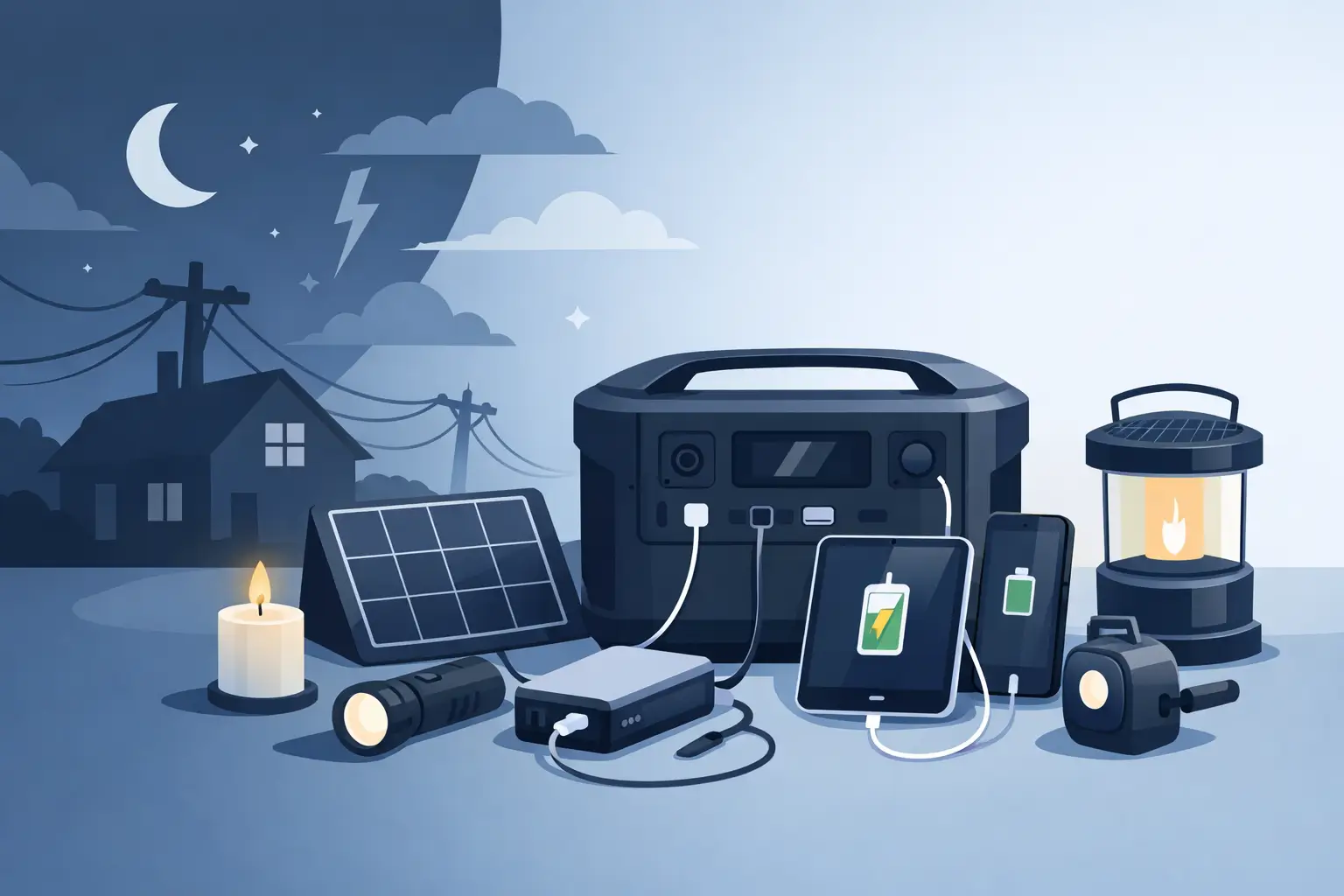
The lights go out, the elevator stops, the building generator only covers the hallway, and suddenly your apartment feels a lot smaller. That is exactly when a solar generator for apartment living stops being a nice idea and starts looking like essential backup power. If you rent, live in a condo, or simply do not have space for a full home battery system, the right portable setup can keep your phone charged, your router online, your medical device running, and your food colder for longer.

Apartment residents have a different set of power problems than homeowners. You usually cannot install permanent equipment, fuel storage is often restricted, and running a gas generator on a balcony is unsafe and against building rules in most cases. A battery-powered solar generator solves a lot of those issues because it is quiet, fume-free, and portable. The trick is choosing one that matches real apartment needs instead of buying too small and regretting it during the next outage.

Why a solar generator for apartment living makes sense

For apartment use, convenience matters just as much as raw power. You need something you can store in a closet, move without a struggle, and recharge without complicated installation. A solar generator gives you that flexibility. You can charge it from a wall outlet during normal days, top it off with solar panels when the sun is available, and use it indoors safely when the grid fails.

That matters even more in places where storms and grid instability are part of life. During hurricane season or extended weather events, apartment buildings may restore common-area power before individual units are fully back online. A portable power station gives you a layer of control when the building systems are out of your hands.

There is also an everyday value beyond emergencies. Many people use these systems for remote work, keeping internet service alive during brief outages, powering a fan during hot weather, or charging devices without relying fully on the grid. If utility costs are rising, having a small solar-ready backup system can also help you capture some of that sunlight instead of letting it go to waste.

What a solar generator can actually run in an apartment

This is where expectations need to stay realistic. A compact unit can usually handle phones, laptops, Wi-Fi routers, lights, CPAP machines, fans, and small electronics with no trouble. A mid-size unit may also support a mini fridge, television, modem setup, or work station for several hours. Larger systems can take on more, but apartment living usually rewards smart load management more than brute force.

Air conditioners, electric stoves, space heaters, and dryers are the problem appliances. They draw a lot of power and will drain most portable batteries fast. If your priority is comfort during hot weather, a fan and phone charging may be a much more practical goal than trying to run a full-size AC from a portable unit.

The best approach is to think in layers. First cover your essentials – communication, lighting, refrigeration support, and medical needs. Then consider comfort and convenience. That mindset keeps you from overspending while still building dependable outage protection.

How to choose the right size

Battery capacity matters more than marketing language. When shopping for a solar generator for apartment living, look at watt-hours first. That number tells you how much stored energy you have. Then check the inverter rating, which tells you how much power the unit can deliver at one time.

If your goal is just phones, laptops, a router, and a few lights, a smaller unit may be enough. If you want to keep a refrigerator running intermittently, support a home office, or power a CPAP overnight, you will likely want more capacity. The larger the battery, the more useful it becomes during a long outage, but also the heavier and more expensive it gets.

For most apartment users, the sweet spot is not the biggest model on the market. It is a unit large enough to handle essential circuits for one day with disciplined use, while still being portable enough to move and store easily. That balance matters in apartments, where every pound and every inch of storage space counts.

Charging options matter more than people think

A solar generator is only as useful as your ability to recharge it. In apartment settings, wall charging is often your main source. That is fine for short outages and day-to-day readiness. You keep the battery full, and when power drops, you are ready.

Solar charging is where apartment setups become more situational. If you have a balcony, terrace, or safe access to direct sun, portable folding panels can extend your runtime and help during multi-day outages. If your building has heavy shade, limited outdoor access, or strict rules about what can be placed outside, solar input may be limited. That does not make the power station a bad choice. It just means you should treat solar as a bonus rather than your only refill plan.

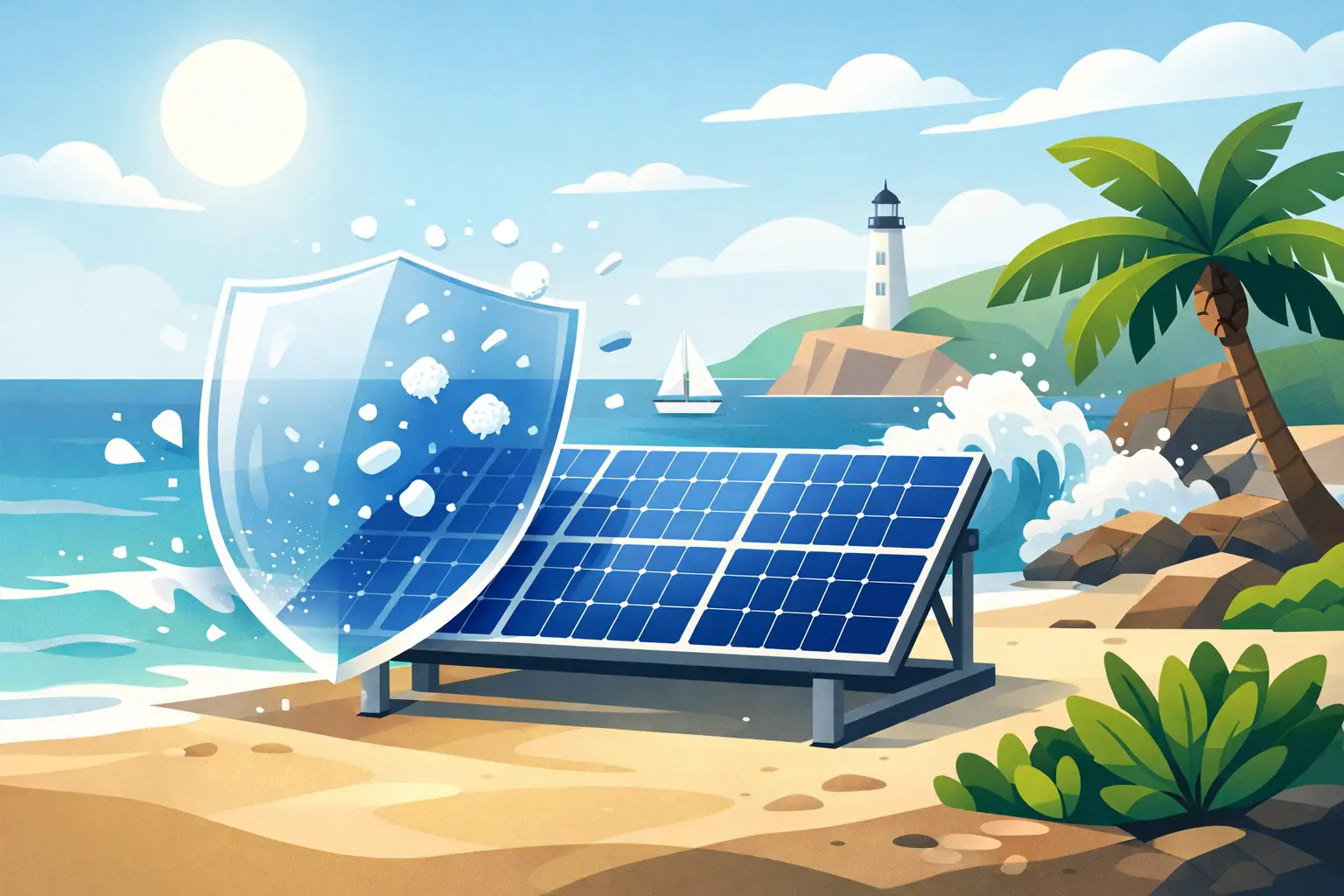
For coastal and island environments, panel durability matters. Heat, humidity, salt exposure, and sudden weather changes can wear down cheaper equipment fast. Choosing gear designed for tough conditions helps protect your investment and keeps your backup plan dependable when you need it most.

Safety and apartment-friendly use

One reason battery backup works so well in apartments is safety. Gas generators produce carbon monoxide and should never be used indoors, near open windows, or on enclosed balconies. A solar generator avoids that problem entirely because it has no fuel combustion.

That said, apartment-friendly does not mean careless. You still want proper ventilation around the unit, especially while charging. Keep it dry, avoid overloading it, and store it where temperatures stay within the recommended range. If you live in a hurricane-prone region, do not leave panels unsecured outdoors when weather turns.

Noise is another practical advantage. In a building where neighbors are only a wall away, quiet backup power is a real benefit. You can keep your essentials running at night without adding stress to an already stressful outage.

Features worth paying for

Not every extra feature is worth the price, but a few are genuinely useful for apartment residents. Fast wall charging is one of them. If a storm is approaching or outage risk is rising, being able to recharge quickly gives you more flexibility.

A clear display is also important. You want to see battery percentage, input wattage, output wattage, and estimated runtime without guessing. Multiple output ports help too, especially if you need to power phones, a router, lights, and a laptop at the same time.

Battery chemistry matters. Lithium iron phosphate batteries often make sense for backup use because they typically offer longer cycle life and better durability. For people buying with long-term preparedness in mind, that can be a smarter value than chasing the lowest upfront cost.

Expandable capacity can be helpful, but it depends on your apartment. If you have room and expect your backup needs to grow, expansion is attractive. If space is tight, a single well-sized unit may be the better fit.

Common mistakes apartment buyers make

The biggest mistake is buying based on vague promises instead of actual power needs. A product labeled as a solar generator sounds capable, but the real question is whether it has enough battery capacity and output for your essentials.

The second mistake is assuming solar panels will solve everything. In apartment living, sun access is not guaranteed. Your setup may depend far more on pre-charging from the wall than on daily solar production.

Another common issue is forgetting portability. A large unit may look great on paper, but if you cannot lift it safely, tuck it away, or reposition it during an outage, it becomes less practical. Reliability is not just about battery size. It is also about whether the system fits your space and routine.

When a bigger system is worth it

There are times when stepping up makes sense. If someone in the home relies on medical equipment, if you work remotely and cannot afford downtime, or if outages in your area tend to stretch for many hours, a larger-capacity unit earns its keep fast. The same is true if you want one solution that can move between apartment use, car travel, and emergency evacuation prep.

This is where buying from a company that understands storm readiness and harsh coastal conditions matters. A dependable backup system should not feel like a gadget. It should feel like part of your emergency plan. That is why many buyers look for practical support, tested equipment, and products chosen for real-world resilience, not just spec-sheet appeal.

For apartment residents, the best solar generator is rarely the flashiest one. It is the unit that fits your space, covers your essentials, recharges reliably, and stays ready when the grid does not. If you choose with that in mind, you are not just buying backup power. You are giving your household a steadier footing when normal power disappears.

Posted on Leave a comment

Battery Backup for Refrigerators That Works

Battery Backup for Refrigerators That Works

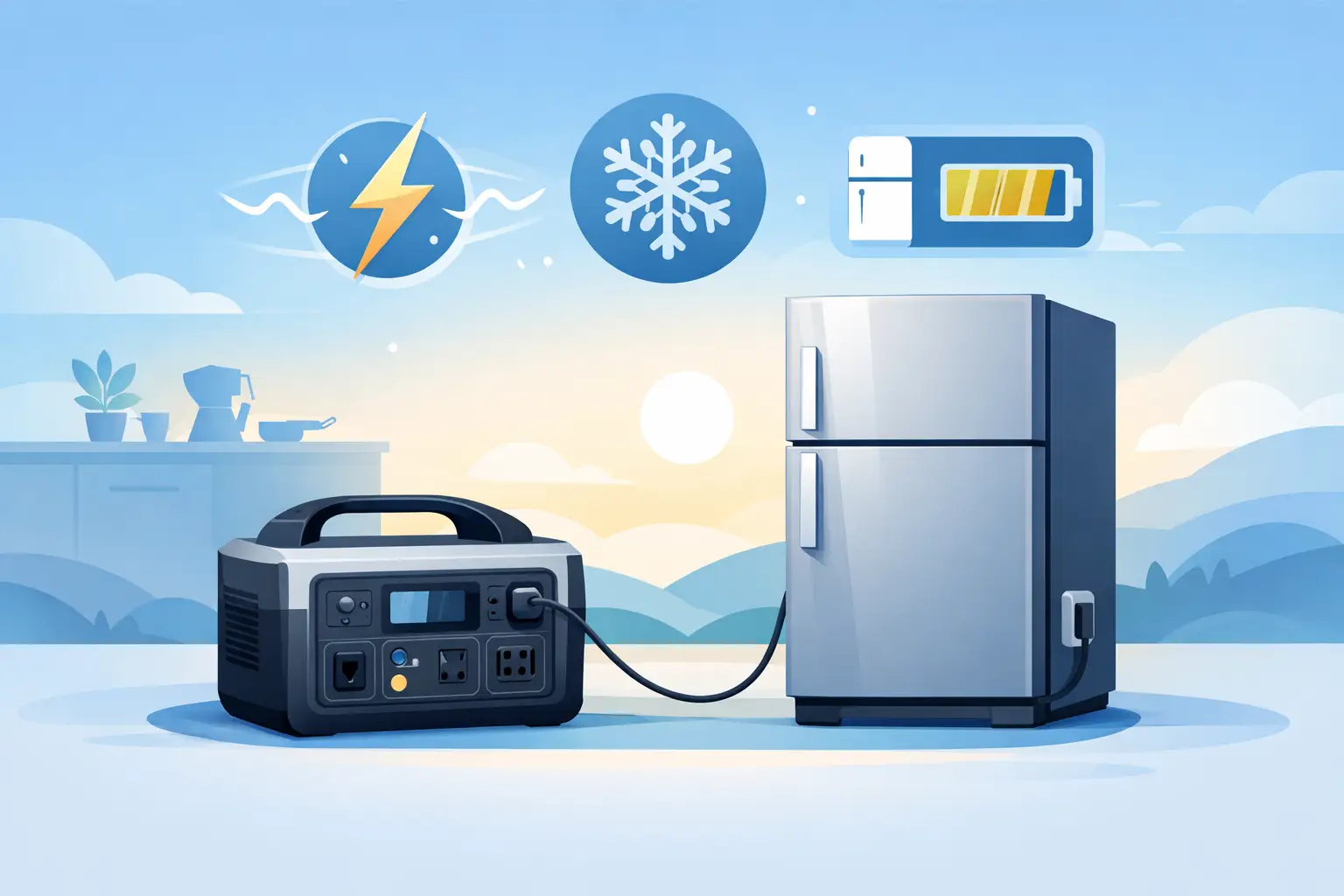
When the power drops, the refrigerator becomes a countdown clock. In a hot climate, every hour matters for food safety, medicine storage, and avoiding a freezer full of spoiled groceries. That is why battery backup for refrigerators is not a luxury purchase for many homes and small businesses. It is a practical layer of protection that keeps daily life moving when the grid does not.

For island households, storm season raises the stakes even more. Short outages are frustrating. Long outages can mean real loss. A good backup setup gives you time, stability, and options, whether you are riding out a utility interruption, protecting a rental property, or keeping a small shop operational.

Why battery backup for refrigerators matters

A refrigerator is one of the few appliances that people notice immediately during an outage. Lights can be replaced with flashlights. Fans can wait for a while. But cold storage is different. Once the internal temperature rises too far, food quality drops quickly, and some items are no longer safe to keep.

That makes refrigeration a high-priority load. For many households, it is second only to medical devices, communications, and a few essential lights. For small businesses, the stakes may be even higher if there are beverages, perishables, or temperature-sensitive supplies involved.

Battery backup also solves a problem that fuel generators do not always handle well. A gas generator can keep a refrigerator running, but it brings fuel storage, noise, maintenance, and startup delay. A battery system starts much faster, runs quietly, and works indoors when designed for indoor use. If paired with solar, it can recharge during the day and extend your backup window without relying entirely on fuel deliveries.

What a refrigerator needs from backup power

Not every backup unit can run a refrigerator properly. The challenge is not just the running wattage. It is the startup surge.

Most refrigerators use a compressor that pulls extra power when it kicks on. A fridge may run at 100 to 250 watts during normal operation, but startup can briefly jump much higher. Depending on the model, that surge may be 600 watts, 1000 watts, or more. Larger refrigerators, older units, and some freezers can demand even more.

That is why the inverter rating matters. If your power station or battery system cannot handle the startup surge, the refrigerator may fail to start even if the battery has plenty of energy stored. Many people look only at battery capacity and miss this point.

Capacity still matters, of course. It determines runtime. A refrigerator does not draw power nonstop, so actual consumption over a day is often lower than people expect. But runtime depends on the appliance size, room temperature, how often the door opens, and how cold the unit was before the outage started. In hot, humid conditions, the compressor works harder and drains backup power faster.

How to size battery backup for refrigerators

The right size starts with two numbers: surge capability and usable battery capacity.

First, confirm the refrigerator’s running watts and startup watts. You can find clues on the appliance label, in the manual, or by measuring with a watt meter. If you cannot get an exact number, it is safer to size with some margin instead of cutting it close.

Second, think about how long you need the backup to last. If your goal is to bridge short utility outages of two to six hours, a smaller portable power station may be enough. If you want overnight protection, or you expect multi-day storm outages, you need much more stored energy or a recharging plan such as solar panels.

As a simple example, a refrigerator that averages around 1 to 1.5 kWh per day might run for much of a day on a properly sized battery system with at least that much usable capacity. But real life is rarely perfect. Heat, frequent door openings, and inverter losses all reduce runtime. A little extra capacity usually pays for itself in peace of mind.

For homes that want a stronger safety net, it often makes sense to size the system for the refrigerator plus a few essentials, such as a freezer, router, phone charging, and some lights. Once an outage starts, people almost always wish they had planned for more than one appliance.

Portable power station or whole-home battery?

This depends on how you live and how often you lose power.

A portable power station is often the most practical choice for apartment dwellers, renters, smaller homes, and anyone who wants simple setup. It can be moved where needed, stored safely indoors, and used for more than just emergencies. It is a good fit if your main goal is keeping one refrigerator or fridge-freezer running, along with a few small devices.

A larger home battery system makes more sense when refrigeration is just one part of a broader backup plan. If you want support for kitchen circuits, office equipment, fans, security systems, or several cold-storage appliances, a whole-home or semi-permanent system offers better coverage and usually a smoother experience. It also makes more sense for property managers and small businesses where outages create both inconvenience and financial loss.

The trade-off is cost and complexity. Portable units are easier to buy and deploy. Installed systems deliver more capacity and convenience but require more planning.

Solar charging changes the equation

For long outages, stored energy alone eventually runs out. Solar charging gives the system a second life during daylight hours.

That matters a great deal in sunny coastal regions where storm recovery can take time. If a battery system can recharge from portable or fixed solar panels, you are not limited to the power you stored before the outage. You can run the refrigerator through the day, top off the battery, and preserve precious capacity for overnight use.

Solar will not eliminate the need for proper sizing. Cloud cover, panel angle, and storm conditions all affect production. But as part of a resilience plan, solar adds flexibility that a battery-only setup cannot match. For many households, that is the difference between short-term backup and real energy independence.

Features worth paying for

If you are comparing options, focus on performance before extras. The unit needs a pure sine wave inverter, enough surge capacity for compressor startup, and enough battery storage for realistic runtime.

After that, a few features are especially useful. Fast charging helps you recover quickly between outages. Pass-through capability can be helpful in some setups, though quality matters. Clear battery monitoring makes it easier to manage usage before power runs low. Expandable capacity is valuable if you expect your backup needs to grow.

Build quality also matters more than many buyers realize. Heat and humidity are hard on electronics. A backup system for coastal living should be treated like emergency equipment, not a novelty gadget. Reliability, warranty support, and product durability deserve real weight in the decision.

Common mistakes to avoid

The most common mistake is underestimating startup surge. The second is assuming the battery’s advertised size equals real-world runtime. Inverter losses, warm conditions, and user habits all affect performance.

Another mistake is waiting until a storm watch is posted. Good backup gear often sells out when people panic. Even when inventory is available, last-minute buyers do not have time to test the unit with their refrigerator, learn the controls, or sort out charging.

It is also easy to overlook the condition of the refrigerator itself. Older units may use more power than expected. Poor door seals and dirty coils increase energy use and shorten backup runtime. A little appliance maintenance can stretch your battery further.

Who should treat this as essential

If you keep a full refrigerator and freezer, live in an outage-prone area, store medication that needs cooling, manage a vacation property, or run a business with perishables, battery backup moves from helpful to necessary very quickly.

That is especially true in places where utility restoration can be delayed by storms, flooding, or damaged infrastructure. In those situations, backup power is not about convenience. It is about keeping control over the essentials.

A dependable setup does not have to power your whole house on day one. It just needs to cover the loads that matter most, and a refrigerator is near the top of that list. If you start there and build wisely, you protect your food, reduce stress, and make every outage easier to handle.

The best time to choose a refrigerator backup system is when the lights are still on, the weather is calm, and you have room to buy for reliability instead of urgency.

Posted on Leave a comment

Best Solar Panels for Hot Climates

Best Solar Panels for Hot Climates

If your roof feels like a skillet by noon, you already understand the real question behind solar panels for hot climates: will they still produce dependable power when the heat is relentless? For homeowners and business owners in coastal, high-sun regions, that question matters just as much as price. Strong sun is an advantage, but heat, humidity, salt air, and storm exposure can separate a durable solar setup from one that underperforms when you need it most.

Do solar panels for hot climates work well?

Yes, but not in the way many people assume. Solar panels need sunlight, not high air temperature, to generate electricity. A bright, hot day can still produce excellent output, yet panel efficiency usually drops as the panel itself gets hotter. That means the best system for a tropical or desert-like environment is not simply the one with the highest advertised wattage. It is the one built to manage heat, resist corrosion, and keep producing through long, punishing summers.

This is where many buyers get tripped up. They hear that hot regions are perfect for solar, which is true in broad terms, but they miss the trade-off. More sunshine generally means more production over the year. More heat can reduce moment-to-moment efficiency. A well-chosen system accounts for both.

What matters most in hot weather performance

The first detail to check is the panel’s temperature coefficient. This tells you how much output drops as the panel temperature rises above standard test conditions. Lower is better. If one panel has a temperature coefficient of -0.29% per degree Celsius and another is -0.40%, the first panel will generally hold up better in extreme heat.

That number may look small, but over months of high temperatures it adds up. In places where roofs bake for hours every day, a better temperature coefficient can mean more dependable charging for batteries, more usable backup energy, and stronger long-term savings.

Panel construction also matters. High heat often comes with high humidity, salt exposure, and sudden storms. A panel that performs well in mild inland conditions may not be the best fit for island or coastal use. Frames, seals, junction boxes, and glass quality all affect how a system stands up over time.

The best types of solar panels for hot climates

Monocrystalline panels are often the strongest choice for hot climates, especially when roof space is limited. They usually offer higher efficiency than polycrystalline panels, which helps when you want to maximize power from a smaller area. Many premium monocrystalline options also have better temperature coefficients, making them more stable in intense heat.

That said, not every monocrystalline panel is equal. Some are engineered for high-heat performance, while others are simply marketed on wattage alone. If you are comparing products, do not stop at the headline number on the label.

Thin-film panels can perform relatively well in very high temperatures, but they often require more space to deliver the same output. For most homes and small businesses, that trade-off makes them less practical. They may fit certain commercial or specialty applications, but they are not usually the first choice for a compact backup power setup.

For portable use, foldable or mobile panels can be a smart option if you need emergency charging, storm-season flexibility, or off-grid support. In hot climates, portability can actually help. A portable panel can be repositioned for airflow, moved out of harsh salt spray, or stored ahead of severe weather.

Heat is only part of the story

In the Bahamas, Florida, and other coastal markets, heat rarely shows up alone. It comes with humidity, salt, and weather risk. That is why buyers should think beyond efficiency charts.

Corrosion resistance is a serious factor near the coast. Salt air can wear down metal components faster than many people expect. Look for panels and mounting hardware designed for marine or coastal environments. Strong warranties are helpful, but durable materials are better.

Humidity matters too. Moisture intrusion can shorten the life of lower-quality equipment, especially if seals and backing materials are weak. This is one reason cheap solar products often disappoint in tropical conditions. They may work fine at first, then fade fast after repeated exposure.

And then there is wind. If your area faces tropical storms or hurricanes, your solar plan should include mounting strength, installation quality, and whether portable equipment can be secured quickly. The best solar investment is not just efficient. It is prepared.

How to choose solar panels for hot climates without overbuying

A lot of buyers make the same mistake: they shop for the biggest system they can afford before defining what they actually need to power. A better approach starts with your priority.

If your goal is backup power during outages, focus on critical loads first. Refrigeration, lights, internet, phones, fans, medical devices, and security systems are often more important than whole-home coverage. In that case, pairing efficient panels with a battery backup system may deliver more practical value than chasing maximum panel count.

If your goal is lowering monthly utility bills, then roof space, daily usage, and seasonal production matter more. A hotter climate can still be excellent for solar savings because annual sun exposure is strong. You just want hardware that loses less performance in the heat.

For off-grid cabins, job sites, boats, or mobile use, flexibility matters as much as raw output. Portable solar panels, solar generators, and expandable battery systems can give you dependable charging without committing to a fixed installation.

Questions to ask before you buy

When comparing options, ask how the panel handles high operating temperatures, what kind of environment it is rated for, and whether the frame and hardware are suitable for coastal exposure. Ask how the warranty addresses long-term output, not just product defects. And ask whether the system is designed for battery charging, direct household use, or both.

These questions matter because the right product depends on the job. A rooftop array for a full-time residence is different from a portable backup kit for hurricane season. A small business trying to keep point-of-sale systems and freezers running has different needs than a homeowner who only wants to protect essentials overnight.

Why batteries matter in hot climates

Hot climates often come with grid instability, higher cooling demands, and storm-related outages. That makes battery storage especially valuable. Solar production during the day is useful, but stored energy is what keeps your essentials running after sunset or when the grid drops out.

The key is choosing a battery system with good thermal management and sizing it around real needs. More battery is not always better if your charging source is too small. On the other hand, a good battery paired with efficient solar can give you the control that grid-reliant homes and businesses often lack.

For many customers, this is where the smartest investment happens. Instead of viewing solar as a standalone purchase, they build a resilience system – panels, battery storage, and backup-ready equipment that work together.

A smart setup beats a perfect spec sheet

The best-performing solar system on paper is not always the best one for your property. Roof angle, ventilation, shade, salt exposure, local weather, and your outage risk all affect the final result. A panel with a slightly better efficiency rating may matter less than proper airflow under the panel, quality mounting, and reliable storage.

This is especially true in harsh environments. A system that is easy to maintain, built for coastal conditions, and sized around your daily reality will usually serve you better than one that looks impressive in marketing copy. SOL242 focuses on that practical side of solar because dependable power is not about chasing trends. It is about keeping your home or business running when conditions are at their worst.

When paying more makes sense

There are times when a premium panel is worth the extra cost. If you have limited roof space, very high utility rates, or frequent outages, better efficiency and heat performance can pay off. The same goes for properties in salty, humid air where equipment durability is a long-term concern.

But if your use case is occasional backup charging for a portable power station, you may not need top-tier rooftop hardware. A well-matched portable panel and battery combo can be the more sensible choice. It depends on whether your main goal is full-time energy production, emergency readiness, or flexible off-grid use.

The best buying decision usually comes from balancing three things: heat performance, environmental durability, and the kind of power security you actually need. If you keep those in focus, you will avoid the common trap of buying solar for ideal lab conditions instead of real life.

Hot climates can be excellent for solar, but only when the equipment is chosen for the climate you live in, not the brochure you read. If your power plan needs to hold up through heat, humidity, and storm season, choose a system that is built to keep working when the weather stops being easy.

Posted on Leave a comment

How to Prepare for Power Outages Right

How to Prepare for Power Outages Right

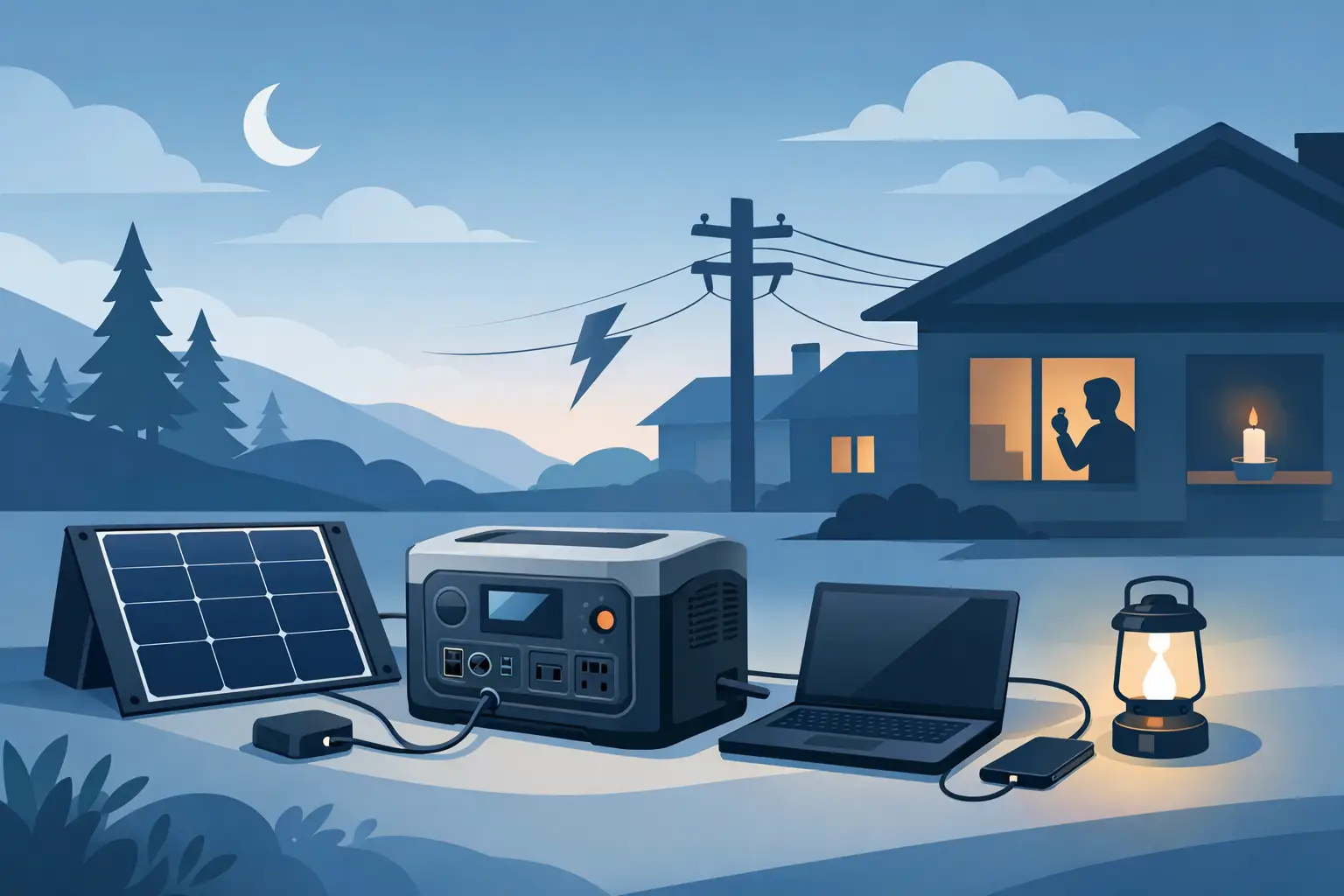
The lights usually do not go out at a convenient time. It happens in the middle of dinner service, during a heat wave, right before bed, or while a storm is still moving across the island. That is why learning how to prepare for power outages is less about reacting well and more about setting up your home or business so disruption stays manageable.

For some people, that means keeping phones charged and flashlights nearby. For others, it means protecting refrigerated food, running internet and security systems, or keeping a small business open when the grid fails. The right plan depends on what you cannot afford to lose: comfort, communication, safety, revenue, or all four.

How to prepare for power outages before the next one

The best outage plan starts with one simple question: what absolutely needs power in your space? Most people overestimate what they need in an emergency and underestimate how fast small essentials add up. A refrigerator, Wi-Fi router, a few lights, fans, medical devices, phone chargers, and a freezer can already represent a meaningful backup load.

Walk through your home or property room by room. Identify the devices that matter in the first 8 hours, the first 24 hours, and after 2 to 3 days. This helps you avoid buying too little backup power, but it also prevents overspending on a system built for appliances you do not actually need during an outage.

For a small apartment or a basic emergency setup, a portable power station may be enough to cover lighting, phones, laptops, routers, and smaller appliances. For a larger home, vacation rental, office, or property with critical loads, a home battery backup system makes more sense because it can support more circuits and offer a cleaner, quieter alternative to fuel-based generators. If outages tend to last beyond a few hours, portable solar panels add a major advantage because they let you recharge during daylight instead of waiting for the grid to return.

That trade-off matters. Battery systems are quiet, low-maintenance, and easier to use indoors, but runtime depends on battery size and energy use. Traditional generators can run longer if fuel is available, yet fuel storage, noise, exhaust, and maintenance are real drawbacks, especially in dense neighborhoods or after storms when fuel access is unpredictable.

Build your outage plan around priority loads

A good backup setup is not just about wattage. It is about choosing the right loads in the right order.

Start with refrigeration. Food loss is expensive, and medications may need temperature control. Then think about communication, since phones, radios, and internet access become more valuable the longer the outage lasts. After that, consider lighting, fans, security systems, and any work equipment that keeps income moving.

If you work from home or manage a small business, the outage plan should include your modem, router, laptops, payment devices, and any essential monitors or cameras. For property managers, backup power for gates, hallway lights, pumps, or communications equipment can make a major difference in tenant safety and daily operations.

This is where people often make a mistake: they focus on headline appliances instead of continuity. Keeping one refrigerator cold and your communication online may matter more than trying to run an entire kitchen.

Know what each device actually uses

You do not need to become an electrician, but you do need a realistic sense of energy use. Some devices have a steady draw, while others have startup surges. A fridge, freezer, pump, or power tool may need extra power for a few seconds at startup, even if the running wattage looks reasonable.

That is why matching your backup system to your real-world loads matters. A portable power station that handles phones and lights beautifully may not start a refrigerator compressor. A larger solar generator or battery backup system may be the better fit if you need to cover appliances with surge demands.

Stock the basics that matter when the grid is down

Backup power is central, but it is not the whole plan. Power outages become more stressful when they interrupt ordinary routines people take for granted.

Keep rechargeable lights in predictable places. Headlamps are especially useful because they keep both hands free. Store extra drinking water, shelf-stable food, medications, hygiene items, and a basic first-aid kit where they are easy to reach. If your stove or pump depends on electricity, think through how you will cook, flush, and clean.

For homes with children, older adults, or anyone with medical needs, comfort and heat management deserve extra attention. In hot, humid conditions, airflow is not a luxury. It is part of staying safe. Fans powered by a battery system can make a room more livable and reduce the strain of sleeping through a long outage.

Keep vehicle fuel levels higher than usual during storm season, but do not assume your car solves every problem. A car can charge phones, yet it is not a substitute for a dedicated home backup plan.

How to prepare for power outages during storm season

Storm season changes the timeline. You are not preparing for a random blackout anymore. You are preparing for an outage that may come with high winds, road closures, disrupted deliveries, and delayed utility restoration.

That means backup power should be charged, tested, and positioned before bad weather arrives. Portable units should be stored somewhere dry and easy to access. Solar panels should be secured properly and only deployed when conditions are safe. Extension cords, charging cables, and adapters should be kept together instead of scattered across closets and drawers.

If your area deals with salt air, heat, and humidity, equipment quality matters more than marketing claims. Coastal conditions can be tough on electronics and connectors, so durability is not an extra feature. It is part of reliability. The same goes for weather planning. A system that works well on paper but is difficult to move, recharge, or protect before a storm is not truly prepared.

For many households in the Bahamas and coastal parts of the US, a solar-plus-battery setup offers a practical advantage after storms. If the grid stays down and fuel is limited, daylight becomes your recharge window. That gives you more control than a backup system that depends entirely on gas availability.

Test before you need it

A surprising number of backup systems fail for simple reasons: dead batteries, missing cables, overloaded circuits, or users who never practiced connecting anything.

Run a short drill. Power your router, a fan, a lamp, and your fridge from the system you plan to use. Time how long the battery lasts under realistic conditions. Check whether everyone in the household knows where the lights, chargers, and emergency supplies are. If you operate a business, make sure key staff know the outage procedure too.

A test run reveals weak spots while you still have time to fix them.

Choose backup power based on your real situation

There is no single best answer for every property. A condo owner may need compact, quiet emergency power for essentials. A family home may need longer runtime and solar recharging. A small shop may need enough capacity to keep sales, security, and communications running. An off-grid user may need a larger solar generator or battery system designed for repeated daily use.

That is where honest planning pays off. If you only need emergency charging and basic lights, a smaller unit is often enough. If outages are frequent or last a full day or more, stepping up to a larger battery system with solar input can save money and frustration over time. If your goal is whole-home resilience, then a more permanent home battery backup system is usually the smarter path.

At SOL242, that is the practical difference between buying backup power and building energy independence. The right equipment should not just turn on. It should fit your climate, your load, and the way outages actually happen where you live.

What to do when the outage starts

Once the power goes out, keep the first few minutes calm. Confirm whether the outage is limited to your property or affecting the wider area. Unplug sensitive electronics if needed, keep refrigerator and freezer doors closed as much as possible, and shift immediately to your priority loads.

Use stored power carefully in the early hours. People often waste battery capacity on nonessentials, then run short later when communication, cooling, or refrigeration matters more. If solar recharging is part of your plan, think in day-night cycles: conserve overnight, recharge by day, repeat as needed.

If the outage stretches on, routine becomes your friend. Charge devices at set times, manage cooler indoor spaces, rotate power use, and keep everyone informed. Preparedness is not just gear. It is confidence under pressure.

Power outages will never feel convenient, but they do not have to feel chaotic either. A well-chosen backup system, a tested plan, and a few smart supplies can turn a stressful interruption into something your household or business is ready to handle.

Posted on Leave a comment

Solar Backup for Small Business That Holds Up

Solar Backup for Small Business That Holds Up

When the power drops in the middle of a sales day, small problems turn expensive fast. Card readers stop, freezers warm up, routers go dark, and staff end up waiting instead of working. That is why solar backup for small business is no longer a nice extra for storm season. For many owners, it is basic protection for revenue, customer trust, and day-to-day continuity.

For small businesses in coastal and storm-prone areas, backup power needs to do more than switch on during an emergency. It has to handle heat, humidity, long outages, and the reality that some equipment matters more than others. A bakery has different priorities than a clinic, and a retail shop has different risks than a small office. The right system starts with what you must keep running, not with the biggest battery you can afford.

What solar backup for small business really means

A practical solar backup system usually combines three parts: battery storage, an inverter, and solar panels. The battery stores energy, the inverter makes that stored energy usable for business equipment, and the panels help recharge the system when the grid is down or when you want to reduce utility use during normal operation.

That setup can be small and focused, or broad enough to support a large share of your business. Some owners only want to protect internet service, point-of-sale equipment, lights, and security systems. Others need refrigeration, fans, medical equipment, communication systems, or a few critical outlets across the property. There is no single best answer because power needs, outage patterns, and budgets vary.

What matters is choosing backup power based on business continuity. If a short outage costs you a few minutes, a portable power station may be enough. If an outage can spoil inventory, stop bookings, or shut down customer service for hours, a larger solar generator or home and business battery backup system makes more sense.

Start with your critical load, not your full building

Many small business owners make the same mistake at the beginning. They try to power everything. That usually drives the price up and leads to a system that feels out of reach.

A better approach is to identify your critical load. Ask a simple question: if the grid failed for eight hours, what absolutely needs to stay on? For a small shop, that may be the router, modem, checkout system, lights at the counter, and one fan. For a restaurant or café, it may include refrigeration and payment systems. For a property manager, it may be gate access, emergency lighting, communications, and security cameras.

Once you know those essentials, sizing gets easier. You can estimate how many watts those devices use and how long they need to run. That gives you a clearer picture of whether you need a compact portable power station, a mid-size solar generator, or a larger battery backup system tied to dedicated circuits.

This approach also keeps your investment focused on what protects revenue first. You can always expand later.

When a portable setup is enough

Not every business needs a whole-building solution. For many small operations, a portable power station paired with portable solar panels covers the most urgent outages without the complexity of a permanent install.

This works especially well for mobile businesses, small offices, kiosks, pop-up retail, and service-based businesses that rely on communication devices, laptops, payment terminals, and lighting. It also makes sense as a first layer of backup power. If the outage is short, you keep operating. If the outage stretches on, the solar panels help recharge the battery during daylight hours.

Portable systems also have an advantage in hurricane prep. They can be moved, stored, and repositioned more easily than fixed equipment. That flexibility matters when conditions change quickly.

The trade-off is capacity. Portable setups are excellent for electronics and selected appliances, but heavy loads such as large air conditioning systems, commercial kitchen equipment, and high-demand machinery usually require a much larger system.

When a larger battery backup system makes more sense

If your business depends on refrigeration, multiple workstations, essential lighting, or operational continuity through longer outages, a larger battery system is usually the stronger choice. These systems can support dedicated circuits and provide a more structured backup plan instead of a device-by-device workaround.

This is where solar becomes even more valuable. A battery alone gives you stored power, but solar panels add the ability to recover during a prolonged grid failure. That can be a major advantage in places where outage restoration may take time after severe weather.

For businesses in the Bahamas and similar coastal environments, durability matters as much as capacity. Equipment exposed to salt air, heat, and humidity needs to be chosen with local conditions in mind. Backup power that performs well in a mild climate may not hold up the same way on an island property or near the coast.

The real business case: protection, not just savings

Some owners look at solar backup mainly through the lens of utility savings. That can be part of the value, but for small businesses the stronger case is often loss prevention.

If a one-day outage stops sales, damages inventory, disrupts bookings, or sends customers elsewhere, the cost adds up quickly. In that context, backup power is less about chasing perfect energy efficiency and more about protecting operations when the grid is unreliable.

That does not mean every system pays off the same way. A business with frequent outages and sensitive inventory may see fast value from backup power. A business with rare outages may focus more on preparedness and continuity than direct return. Both are valid. The right decision depends on how expensive downtime is for your specific operation.

How to choose the right solar backup for small business

The best system is the one that matches your real operating risk. Start by looking at four things: your must-run equipment, the length of typical outages, your available space for solar charging, and whether you need portability or a more permanent setup.

Battery chemistry matters too. Many modern systems use lithium iron phosphate batteries, which are known for long cycle life and better thermal stability. For business use, that often makes more sense than cheaper options that may wear out sooner or handle harsh conditions less well.

You should also think about recharging speed and output options. During an outage, it helps to have enough AC outlets, USB ports, and charging flexibility to support the mix of equipment your business uses. If your operations depend on internet and communications, fast and dependable recharging can be just as important as the total battery size.

And do not overlook physical practicality. Can the unit be moved by one person? Can it be stored safely before a storm? Does it fit the way your team actually works? A backup system only helps if it is easy to deploy when needed.

Common mistakes that lead to disappointment

The most common problem is undersizing. Business owners often estimate based on one or two devices and forget startup surges, long operating hours, or extra items that become critical during an outage. Refrigeration, pumps, and some tools can draw more power at startup than expected.

Another mistake is buying for rare peak demand instead of normal emergency use. If your goal is to keep core operations going, focus on the loads that protect revenue and safety. Trying to run every nonessential device can turn a smart backup plan into an oversized purchase.

The third mistake is treating solar panels as optional when outage duration is uncertain. If blackouts are brief, battery-only may be enough. If outages can last through the day or beyond, solar charging adds resilience that a plug-in-only setup cannot match.

Why preparedness should feel practical

Backup power is easy to postpone when the weather is clear and business is normal. The pressure usually shows up later, when shelves are stocked, customers are waiting, and the grid fails at exactly the wrong time.

That is why the strongest backup plans are practical, not complicated. They are built around your most important loads, your real outage patterns, and equipment that can hold up under local conditions. For many business owners, that starts with one dependable system and grows over time.

SOL242 focuses on backup power built for real-world coastal conditions because reliability is not just about having electricity. It is about keeping your business open, protected, and ready when the grid is not.

If you are considering solar backup, start with the equipment your business cannot afford to lose for even a few hours. That is usually where the smartest decision becomes obvious.

Posted on Leave a comment

Off Grid Power for Cabins That Lasts

Off Grid Power for Cabins That Lasts

A cabin goes from peaceful to frustrating fast when the lights cut out, the water pump stops, and the fridge starts warming up. That is why off grid power for cabins is not just about convenience. It is about keeping your property usable, protecting food and equipment, and making sure bad weather or a remote location does not leave you in the dark.

For some cabin owners, the goal is simple weekend comfort. For others, it is full-time independence from the utility grid. The right setup depends on how often you use the cabin, what you need to run, and how much risk you are willing to tolerate during storms, long cloudy stretches, or heavy seasonal use. A small system that works for lights and phone charging will not carry a water heater, air conditioning, and a full kitchen.

What off grid power for cabins really needs to do

The first mistake many people make is shopping by product type instead of by real power demand. A cabin power system has one job: deliver dependable electricity when you need it, without constant workarounds. That means covering everyday use, handling startup surges from appliances, and storing enough energy to ride through poor solar conditions.

If your cabin is in a hot, humid, or coastal environment, durability matters just as much as wattage. Batteries, cables, connectors, and solar panels all face more stress in heat, salt air, and storm exposure. A system that looks good on paper but struggles in harsh conditions is not reliable backup power. It is a future headache.

That is why a cabin system should be planned around four pieces working together: energy generation, battery storage, power conversion, and backup options. Solar panels generate the energy, batteries store it, an inverter makes it usable for standard appliances, and a secondary backup source covers the days when solar alone is not enough.

Start with your cabin load, not your wishlist

Before choosing a solar generator, portable power station, or full battery system, estimate what the cabin actually uses in a day. This is where a lot of overspending or undersizing happens.

A modest cabin might need power for LED lights, phone charging, a router, fans, a small refrigerator, and maybe a TV. A larger or more comfortable setup may also include a microwave, coffee maker, water pump, security system, or mini split AC. Those loads are very different, and they push the system size up quickly.

It also matters whether devices run continuously or only for short bursts. A refrigerator cycles on and off, but a water pump may have a high startup surge. An air conditioner may run for hours during peak heat. If you ignore those realities, you can end up with a battery that drains too fast or an inverter that trips when heavier equipment starts.

As a rule, cabin owners should think in three buckets. First, what must stay on no matter what, such as lights, refrigeration, communication, and medical devices. Second, what is nice to have, like entertainment or small kitchen appliances. Third, what is optional or should be used only when solar input is strong, such as power tools or AC.

Solar plus battery is the backbone

For most cabins, solar paired with battery storage is the most practical long-term answer. It gives you daily generation, quiet operation, and freedom from hauling fuel every week. It also makes more sense for properties where grid access is expensive, unreliable, or unavailable.

A battery-only setup can work for short visits, but it eventually has to be recharged from somewhere. That is why portable power stations are often excellent for light cabin use, especially if you visit on weekends and mainly need essentials. They are easy to deploy, simple to manage, and a strong fit for charging electronics, powering lights, running a fan, or keeping a compact fridge on.

For heavier use or longer stays, a larger solar generator or home battery backup system makes more sense. These systems are better suited for cabins that need sustained output and more storage capacity. They also reduce the stress of constantly monitoring battery percentage or rationing power.

The trade-off is cost. More battery storage and more solar generation create more comfort and more resilience, but they raise the upfront investment. That does not mean bigger is always better. It means the system should match how the cabin is actually used.

When portable power is enough

There is a strong case for portable systems in cabin settings, especially if you want fast setup and lower commitment. A quality portable power station with folding or ground-deployed solar panels can cover a surprising amount of daily use when loads are modest.

This route works well for seasonal cabins, hunting cabins, guest cottages, and remote properties that do not run major appliances. It is also a good fit for owners who want backup power now and may expand later. You can start with critical loads, then scale up once you understand your real usage.

Portable systems also have a practical advantage in storm-prone areas. They can be moved, stored, and protected more easily than fixed equipment. If weather turns dangerous, that flexibility matters.

Still, there are limits. If your cabin depends on a well pump, freezer, multiple rooms of cooling, or long daily occupancy, portable power alone may start to feel cramped. In that case, a larger fixed battery system with dedicated solar capacity is usually the better move.

Why backup still matters in an off-grid cabin

People often imagine solar as a complete answer, but weather does not always cooperate. Several cloudy days in a row can put pressure on even a well-designed setup, especially if the cabin is occupied full time.

That is why the best off grid power for cabins includes a backup strategy. Sometimes that means extra battery capacity. Sometimes it means using a generator as an emergency recharge source. In some cases, it means changing usage habits when solar harvest is low.

The point is not to eliminate every compromise. The point is to avoid preventable failures. If the cabin must remain functional during bad weather, hurricane season, or extended occupancy, your system needs margin. Tight power planning may save money upfront, but it can leave you with too little resilience when conditions turn rough.

Climate changes the equipment decision

Not every cabin sits in cool mountain air. Many properties deal with intense sun, heat, humidity, and storm exposure. In those conditions, product quality matters more than marketing claims.

Solar panels need to hold up under prolonged UV exposure and rough weather. Battery systems need stable performance in high temperatures. Connectors and mounting hardware need to resist corrosion, especially near the coast. If your cabin is in the Bahamas or along the US coast, these are not minor details. They affect lifespan, safety, and system reliability.

This is one reason many buyers choose purpose-built solar and battery solutions instead of piecing together random components. A dependable system is easier to maintain, easier to expand, and less likely to fail when you need it most.

A simple way to choose the right setup

If your cabin use is light, start with essentials. A portable power station and solar panels may be enough for lighting, charging, fans, and a compact fridge. If your use is moderate and regular, step up to a larger solar generator with more battery capacity and higher inverter output. If the cabin is a primary residence or long-stay retreat, you are usually better served by a more complete battery backup system designed around your daily loads.

What matters most is not the label on the product. It is whether the system can support your real routine with enough margin for bad weather, seasonal heat, and the occasional extra load. A cabin power system should make life easier, not turn every evening into a math problem.

SOL242 focuses on this kind of practical reliability because backup power is not a luxury in exposed or outage-prone areas. It is part of keeping a property functional when conditions are less than ideal.

The best cabin setup is the one that fits your usage honestly, stands up to your environment, and keeps the essentials running without drama. If your power plan can do that, your cabin stays what it should be: ready when you arrive, comfortable while you are there, and protected when you leave.

Posted on Leave a comment

Portable Solar Panels for Camping That Work

Portable Solar Panels for Camping That Work

If your campsite power plan starts and ends with a half-charged phone and a cooler full of melting ice, things can go sideways fast. Portable solar panels for camping give you a quieter, cleaner, and far more dependable way to keep essential gear running, especially when you are camping far from hookups or staying out for more than a night.

For some campers, that means keeping lights on and phones charged. For others, it means running a portable fridge, topping up a power station, or making sure emergency communication stays available if weather shifts. The right setup is less about convenience and more about staying prepared.

Why portable solar panels for camping make sense

Camping power used to mean choosing between disposable batteries, noisy generators, or simply going without. Solar changes that equation. A portable panel lets you collect power during the day and either use it directly for small USB devices or, more often, send that energy into a portable power station for use after sunset.

That matters because your energy needs rarely stop when the sun goes down. Lights, fans, GPS units, radios, and medical devices all tend to be most important at night or in changing conditions. A good solar setup turns daylight into stored backup power, which is exactly the kind of reliability people want when they are away from the grid.

There is also a comfort factor. Quiet power improves the entire camping experience. You hear the water, the wind, and the people you came with – not a generator engine. And unlike fuel-based options, solar does not leave you wondering whether you packed enough gas or can get more if plans change.

What portable solar panels can realistically power

This is where expectations matter. Portable solar panels are excellent for charging small electronics and very effective when paired with a battery power station. They are not magic. Output depends on panel size, battery capacity, weather, season, and how well you position the panel.

A compact panel may be enough for phones, headlamps, speakers, and camera batteries. A mid-size or larger panel paired with a capable power station can support lights, laptops, fans, drones, CPAP machines, and portable fridges. If you are trying to run a coffee maker, electric grill, or air conditioner, that is a different category entirely and usually requires a much larger power system than most campers actually want to carry.

The practical question is not, “Can solar run everything?” It is, “What do I need to keep working every day?” Once you answer that clearly, choosing the right panel gets much easier.

How to choose the right portable solar panels for camping

Start with your battery, not your panel. If you already own a portable power station, check how many watts of solar input it can accept. Buying a high-output panel for a battery that can only take a limited input means you are paying for capacity you cannot use.

Next, think about daily energy use. If you only need to top off phones and lights, a smaller folding panel may be enough. If you are charging a larger battery every day for a fridge, fan, and electronics, you will want more panel wattage so you can recover power faster.

Portability matters too, but it means different things depending on your trip. For car camping, a larger folding panel can make perfect sense because you are not carrying it far. For beach camping, boat access, or moving camp often, size and weight become more important. The best panel is the one you will actually bring, set up, and use.

Build quality deserves more attention than people give it. In coastal climates, heat, humidity, salt exposure, and sudden rain can punish weak equipment quickly. Sturdy kickstands, reinforced corners, durable fabric on folding panels, and reliable connectors all make a difference over time. For campers in the Bahamas or along the US coast, this is not a minor detail. It is the difference between gear that lasts and gear that becomes a problem after one rough season.

Panel size, charging speed, and the weather problem

The biggest mistake buyers make is assuming panel wattage equals constant real-world output. A 200-watt portable panel can perform very well, but only under strong sun, correct angle, and minimal shading. Clouds, haze, tree cover, heat, and poor positioning can all reduce actual performance.

That does not mean solar is unreliable. It means your setup should have some margin. If your campsite essentials require a certain amount of power each day, do not shop for the exact minimum. Give yourself room for imperfect weather and less-than-perfect conditions.

This is especially important in areas where weather changes fast. Bright mornings can turn into cloudy afternoons, and tropical conditions can shift within hours. A little extra charging capacity helps protect your trip from that uncertainty.

Features worth paying for

Not every premium feature is necessary, but a few are worth it. Adjustable kickstands help you capture more sunlight throughout the day. Multiple output options can be convenient, though most campers get the best results by charging a power station rather than plugging many devices straight into the panel.

Weather resistance also matters, but it helps to be realistic. A panel described as weather-resistant is not meant to live through a storm or remain exposed in blowing salt spray for days on end. It should handle outdoor use, light splashes, and normal camp conditions. It should still be packed away when weather turns severe.

A strong carrying design is another underrated feature. If the handles, case, or folded shape make the panel awkward to move, it is going to stay in the vehicle more often than you planned.

The case for pairing solar with a power station

For most people, the best camping setup is not a panel by itself. It is a portable solar panel connected to a portable power station. That combination gives you steady storage, cleaner charging for electronics, and much better flexibility once the sun goes down.

It also creates a more resilient backup system beyond camping. A quality power station and solar panel can pull double duty during power outages at home, on a boat, at a jobsite, or during hurricane season. That kind of crossover value matters. Buying gear that serves one weekend hobby is one thing. Buying gear that supports both recreation and emergency readiness is a smarter investment.

That is where a retailer like SOL242 has a clear advantage in how it frames these products. The point is not just outdoor convenience. The point is dependable power where and when the grid is absent.

Common mistakes that lead to disappointment

Most frustration comes from setup issues, not bad technology. Shade is the biggest one. Even partial shade on part of a solar panel can reduce performance sharply, so placing the panel in full sun matters more than many first-time users expect.

Another issue is poor angle. Laying a panel flat on the ground is easy, but it usually costs you charging efficiency. Repositioning the panel as the sun moves can noticeably improve output over the course of a day.

Cable compatibility also causes problems. Before you buy, make sure the panel connectors match your power station or that the correct adapter is available. And do not ignore charging times. If your battery is large and your panel is small, refilling that battery may take longer than your trip allows.

Is a portable solar panel worth it for casual campers?

Usually, yes – if your trips involve regular device use, overnight stays, or any safety concern tied to communication and lighting. If you camp once a year for one night, a battery bank may be enough. But if you spend weekends outdoors, camp with family, use powered gear, or travel in places where weather and outages are real concerns, solar starts making a lot more sense.

The long-term value is in independence. You are less dependent on powered campsites, less likely to ration essential devices, and better prepared when plans stretch longer than expected. That kind of flexibility is hard to put a price on until you need it.

Camping should feel simple, not uncertain. A well-matched solar panel and power station setup gives you one less thing to worry about, and out in the field, that kind of reliability is what makes the trip better.

Posted on Leave a comment

Is a Home Battery Backup System Worth It?

Is a Home Battery Backup System Worth It?

The lights do not usually go out at a convenient time. It happens when the fridge is full, the phones are low, the weather is turning, or your business still needs to operate. That is exactly why a home battery backup system has moved from nice-to-have to practical protection for many households.

For homeowners in storm-prone and outage-prone areas, backup power is not really about gadgets. It is about keeping food cold, internet on, security systems running, and daily life from stopping every time the grid does. A battery system gives you stored electricity you can use when utility power fails, and in the right setup, it can also reduce how much expensive grid power you buy.

What a home battery backup system actually does

A home battery backup system stores electricity for later use. That power may come from the grid, from solar panels, or from both, depending on the equipment you choose. When an outage hits, the battery can automatically supply selected circuits or even a larger portion of the home.

The key word is selected. Not every battery system is designed to run an entire house with central air, electric water heating, laundry, and kitchen appliances all at once. Most homeowners get better value by backing up what matters most first – refrigeration, lighting, routers, device charging, fans, security equipment, and sometimes a few outlets or small appliances.

That distinction matters because people often imagine one battery replacing a full standby generator. Sometimes it can support a large load, but often the smarter plan is a targeted setup that protects essentials and stretches your stored energy longer.

Who benefits most from a home battery backup system

If your area sees frequent outages, a battery system starts making sense quickly. If you work from home, manage a rental property, run a small office, or have medications that require refrigeration, backup power becomes less of a convenience and more of a safeguard.

Homes in coastal and island environments often have another concern: weather exposure. Hurricane season changes the conversation. A battery system can keep critical loads operating before, during, and after storms without the fuel storage, fumes, and engine maintenance that come with traditional generators.

That does not mean batteries replace generators in every case. If you need to run large air conditioning systems for long periods or support heavy commercial loads, a generator may still have a role. But for many households, the quieter operation, instant switchover, and lower maintenance of battery backup make it a better everyday fit.

Why batteries appeal to more homeowners now

The biggest reason is reliability. A battery responds automatically. There is no pulling cords, refueling in bad weather, or stepping outside when conditions are unsafe. When the grid drops, the system takes over fast enough to keep key loads running with minimal interruption.

The second reason is energy control. If your system charges from solar, you are not just storing electricity for emergencies. You are making better use of your own power. In areas with high utility rates or unstable service, that can support long-term savings and a stronger sense of energy independence.

Then there is the day-to-day experience. Batteries are quiet. They do not produce exhaust. They generally need less hands-on attention than fuel-powered backup options. For homes where convenience and dependable operation matter, that simplicity is a real advantage.

The trade-offs you should know before buying

A home battery backup system is not one-size-fits-all. Capacity matters, and so does load planning. If you expect a small battery to run the entire house for days, you will likely be disappointed. A realistic plan starts with identifying your critical circuits and understanding how many hours of backup you actually need.

Cost is another factor. Battery systems typically require a higher upfront investment than small portable options, and a full home setup can be a serious purchase. The payoff depends on how often you lose power, what equipment you need to protect, and whether solar charging will help lower your utility use over time.

There is also the question of recharge. During a long outage, a battery without solar input has a limited reserve. Once the stored energy is gone, it must recharge from the grid or another source. In places where multi-day outages are possible, pairing battery storage with solar panels creates a more resilient setup than battery alone.

How to size the right system

The best starting point is not the battery. It is your priority list.

Think about what truly needs to stay on during an outage. For many homes, that includes the refrigerator, some lights, Wi-Fi, phones, laptops, fans, and security systems. Others may need to support a freezer, medical equipment, a gate motor, or business essentials such as a modem, point-of-sale system, or small office devices.

From there, you can estimate how much power those items draw and for how long you want to run them. A system designed for overnight outages will look different from one built for repeated day-long outages during storm season. If your goal is whole-home comfort, your battery bank and inverter requirements rise quickly.

This is where many buyers save money by being precise instead of ambitious. Backing up essentials often delivers the most practical protection at a lower system cost.

Home battery backup system with solar vs battery only

A battery-only setup can still be useful. It gives you immediate backup power, silent operation, and some insulation from short outages. It may also be simpler to install in certain homes.

But a home battery backup system paired with solar has a stronger resilience story. Solar panels can recharge the battery during daylight hours, helping extend backup power across longer outages. In sunny climates, that can make a major difference after storms or during unreliable grid periods.

There is a financial angle too. Solar plus storage can let you use more of your own energy instead of buying as much from the utility. How much that helps depends on your local rates, usage patterns, and system design, but the combination often gives the battery more value beyond emergency backup.

What matters in coastal and hurricane-prone areas

Not all energy products are equally suited for hot, humid, salt-exposed environments. That matters more than many first-time buyers realize. Electronics and enclosures need to hold up under demanding conditions, especially where storms and coastal air can shorten the life of poorly chosen equipment.

You should pay attention to build quality, operating temperature range, warranty support, and whether the system is intended for challenging environments. Installation quality matters too. Even a strong battery system performs best when the full setup is planned for local conditions, load needs, and outage patterns.

In the Bahamas and across similar coastal regions, the best backup strategy is usually the one built around resilience, not just rated capacity. A slightly smaller system that is properly matched to your priorities often serves you better than a larger one chosen only by headline specs.

When the investment makes sense

A battery backup system tends to be worth it when outages are common, the cost of downtime is high, or grid power is simply not dependable enough for the way you live or work. If losing electricity means spoiled food, lost business, disrupted security, uncomfortable nights, or stress during every storm warning, the value is easy to see.

It also makes sense when you want more control over your energy use. That is especially true for households already considering solar or looking for a quieter, lower-maintenance alternative to fuel-based backup.

If your outages are rare and brief, and your only concern is charging a few phones or running a light, a smaller portable solution may be the better buy. The right answer depends on your risk, your loads, and your budget.

A good backup system should feel like insurance you actually use – not oversized, not underpowered, and not complicated when the weather turns. If you are planning ahead for the next outage instead of reacting to the last one, you are already making the smarter move.

Posted on Leave a comment

Best Solar Generator for Outages

Best-Solar-Generator-for-Outages

When the lights go out at 2 a.m., nobody cares about marketing terms. You care about whether the fridge stays cold, the Wi-Fi stays on, and the phone battery does not hit 3% while the storm is still outside. Choosing the best solar generator for outages comes down to one thing: matching backup power to the loads you actually need, in the conditions you actually live with.

For homes and small businesses in coastal areas, that decision matters even more. Heat, humidity, salt air, and storm season put extra pressure on any backup system. A unit that looks good on paper can still be the wrong fit if it cannot recharge fast enough, handle surge loads, or run long enough to get you through an overnight outage.

What makes the best solar generator for outages?

A good outage-ready solar generator is not simply the biggest battery you can afford. Capacity matters, but so do inverter output, recharge speed, battery chemistry, portability, and the number of devices you need to support at once.

Battery capacity, measured in watt-hours, tells you how long the unit can run your essentials. If you want to power a modem, a few lights, charge phones, and keep a fan running, you may be fine with a smaller portable power station. If you want refrigerator coverage, CPAP support, television, laptop charging, and some kitchen use, you need a larger system. If your goal is partial home backup, you are moving into a different class altogether.

Inverter output, measured in watts, determines what the generator can run at one time. This is where many buyers get tripped up. A generator may have enough battery capacity to run a refrigerator for hours, but if the inverter cannot handle the refrigerator’s startup surge, it will not matter. Outages are not the time to discover your backup unit can charge a phone and little else.

Recharge speed is just as important. During extended outages, especially after a storm, your system needs a realistic path back to full power. Wall charging matters before the storm. Solar input matters during the outage. If your generator takes all day to recharge and the weather is inconsistent, your margin for error gets thin fast.

Start with what you must keep running

The easiest way to choose the right size is to stop thinking in product categories and start thinking in priorities. What has to stay on no matter what? For most households, that usually means refrigerator, phones, lights, internet, fans, medical devices, and maybe a television or small appliance.

If your outage plan is modest, a smaller power station can make sense. It is easier to move, easier to store, and usually more affordable. This kind of setup is practical for apartment living, short outages, or households that mainly need communications, lighting, and small electronics.

If your outages tend to last longer, or you want more normal daily function, the best solar generator for outages is usually a mid-size or high-capacity model with enough inverter power for kitchen and household essentials. That gives you room to run a refrigerator confidently and still charge devices, power lights, and support work-from-home needs.

For property managers and small business owners, the conversation shifts again. You may need to keep security systems, point-of-sale equipment, routers, freezers, or office electronics operating. In those situations, runtime and outlet flexibility often matter more than portability.

Battery type matters more than most buyers realize

If you are comparing older lithium-ion models with LiFePO4 battery systems, the safer long-term bet for outage preparedness is usually LiFePO4. These batteries are known for longer cycle life, better thermal stability, and stronger long-term value.

That matters for two reasons. First, outage gear should be ready when you need it, not halfway through its useful life after a couple of seasons. Second, if you live in a hot climate, battery durability becomes more than a spec sheet talking point. Heat is hard on equipment. A more stable battery chemistry gives you better odds of dependable performance over time.

This does not mean every home needs the most expensive model on the market. It means you should view battery quality as part of resilience, not an optional upgrade.

Portable vs. whole-home backup

There is no single answer to the best solar generator for outages because outage plans are different.

Portable solar generators are the right choice when you want flexibility, fast setup, and targeted backup for essentials. They work well for renters, smaller homes, emergency kits, job sites, and households that need backup power without installation. They also make sense if you want something useful year-round for camping, outdoor work, or off-grid use.

Larger home battery systems make more sense when outages are frequent, longer, or more disruptive. If losing power means food spoilage, work interruptions, water pump issues, or serious household disruption, a larger installed backup solution may be the smarter investment. It costs more upfront, but it delivers more continuity.

The trade-off is simple. Portable units are more accessible and flexible. Larger systems provide more coverage and less day-to-day compromise. Your best option depends on how much inconvenience you are trying to avoid.

Solar charging during an outage is a real advantage

A backup battery that cannot recharge is still useful, but only for a while. Pairing your generator with portable solar panels changes the equation. It turns backup power from a countdown into an ongoing recovery tool.

This is especially valuable after storms, when fuel supply can be unpredictable and grid restoration may take longer than expected. With enough solar input, you can top off essential devices during the day and stretch battery use into the evening.

That said, solar charging is not magic. Panel size, weather, shading, and charging efficiency all affect performance. If you buy a large-capacity generator and under-size the solar panels, recharge times may be frustratingly slow. A balanced setup matters. The battery and panels should be chosen together, not as separate afterthoughts.

Features worth paying for and features you can skip

Some features genuinely improve outage readiness. A clear display with input and output data helps you manage loads. Multiple AC outlets and USB ports reduce workarounds. Fast AC charging helps you prepare quickly when a storm is approaching. Pass-through charging can also be useful in some setups.

Expandable battery capacity is worth considering if you expect your needs to grow. Today you may only want refrigerator and lights. Next year you may want broader home coverage or backup for a small office.

On the other hand, not every premium feature is essential. App control can be convenient, but it should not outrank battery quality, inverter strength, or charging performance. Fancy extras do not help much if the system is undersized for your actual needs.

How to avoid buying too small

The most common mistake is shopping by price first and backup plan second. A low-cost unit can look appealing until you realize it cannot run a full-size refrigerator, or it drains too quickly once you add a fan and a few lights.

A practical rule is to calculate both running watts and expected runtime. Think about what you need to power simultaneously, then estimate how many hours you may need coverage. If your area sees brief outages, your sizing can be leaner. If your concern is hurricane season or infrastructure-related interruptions, it pays to build in more margin.

That margin matters because real-world use is rarely neat. People add devices, charging losses happen, and outage conditions are stressful. A little extra capacity often feels unnecessary on purchase day and absolutely necessary on outage day.

The best fit for coastal and storm-prone conditions

If you live where storms are seasonal and outages are not rare, your backup power should be selected with those realities in mind. Reliability beats novelty. Durable battery chemistry, strong solar recharge options, and enough output for your critical loads should lead the decision.

That is why many buyers now look for systems designed around preparedness rather than recreation alone. A solar generator used for camping on the weekend is one thing. A solar generator expected to support your household after a storm is another. The standard has to be higher.

For customers in the Bahamas and similar coastal markets, that practical difference matters. Products need to be chosen for real outage use, real weather exposure, and real household demands. That is the mindset SOL242 is built around.

The right backup system should leave you feeling less exposed, not more dependent on guesswork. If you choose based on essential loads, runtime, recharge speed, and battery quality, you will be much closer to a setup that earns its place the first time the grid goes down. And when that next outage hits, calm is worth more than a bargain.

Posted on Leave a comment

Portable Power Station for Home: What Matters

Portable-Power-Station-for-Home

When the power drops in the middle of dinner, the question is never whether backup power matters. The question is whether your backup can keep the essentials running long enough to protect your home, your food, your devices, and your peace of mind. A portable power station for home gives you a practical way to stay powered during outages without the noise, fuel storage, and maintenance that come with a gas generator.

For many households, that matters most during storm season. But backup power is not only for major emergencies. It can cover short blackouts, support remote work, keep internet and phones online, and help reduce the stress that comes with unreliable service. The right unit turns a disruption into something manageable.

Why a portable power station for home makes sense

A portable power station stores electricity in a battery and delivers it through outlets you already use, including AC plugs, USB ports, and sometimes DC outputs. In plain terms, it is a compact backup system you can move where you need it. That flexibility is the main reason homeowners choose it.

Unlike a fixed whole-home battery, a portable unit does not require a permanent installation to be useful. You can keep it charged in a utility room, move it to the kitchen during an outage, or take it to a small office, apartment, workshop, or rental property. For homes that need dependable backup but are not ready for a larger installed system, it is often the smartest first step.

There is also a comfort factor. Gas generators still have their place, especially for heavy loads and long runtimes, but they bring trade-offs. They are louder, require fuel on hand, and cannot be used indoors. A battery-based portable power station is quiet, cleaner to operate, and easier for more people in the household to use safely.

What it can realistically power at home

This is where expectations matter. A portable power station for home can be extremely useful, but not every model can run every appliance. The right fit depends on battery capacity, output wattage, and how long you need power.

Smaller units are excellent for charging phones, powering Wi-Fi, keeping lights on, and running laptops, fans, and a TV. Mid-size models can often handle a full-size refrigerator for a period of time, plus communication devices and a few small appliances. Larger units can take on more serious loads, including freezers, microwaves, power tools, or multiple rooms of essentials, depending on surge requirements.

Air conditioners, electric dryers, and whole-home central systems are where many buyers overestimate what portable backup can do. Some larger stations can support a window AC or a portable AC unit, but central air usually pushes you into a much bigger backup solution. That is not a flaw. It just means the best setup starts with priorities.

Think in layers. During an outage, what absolutely must stay on? For most homes, that list includes refrigeration, lighting, phones, internet, fans, medical devices, and maybe a television or laptop. Start there, and you will buy more confidently.

How to choose the right size

Capacity is usually shown in watt-hours, and output is shown in watts. Capacity tells you how much stored energy the unit has. Output tells you how much power it can deliver at one time.

If you need to run a router, charge phones, power a few LED lights, and keep a laptop going, you do not need the biggest model on the market. If you want to keep a refrigerator cold, run fans overnight, and support work-from-home gear during a full-day outage, size becomes more important.

The simplest way to shop is to match the station to your outage plan, not just your wish list. A smaller unit may be enough for apartments or short outages. A larger one makes more sense for family homes, longer outages, or anyone preparing for hurricanes and grid instability.

It also helps to pay attention to surge power. Some appliances need extra power for a few seconds when they start up. Refrigerators and pumps are common examples. A unit that looks powerful on paper can still fall short if its surge capability is too low.

Battery type, ports, and charging speed

Not all power stations are built the same, and this is where quality shows up in daily use. Battery chemistry matters. Many buyers now prefer lithium iron phosphate batteries because they offer long cycle life and strong safety performance. For a home backup product that may sit charged for emergency use and then get used regularly, that long-term durability is a real advantage.

Ports matter too. Enough AC outlets are important, but USB-C, USB-A, and car-style outputs can be just as useful. If your household depends on phones, tablets, mobile hotspots, rechargeable lights, and laptops, a good mix of ports means fewer adapters and less hassle during an outage.

Charging speed is easy to overlook until the first back-to-back outage hits. A unit that recharges quickly from wall power gives you more flexibility between interruptions. If it can also recharge from solar panels, that adds another layer of security.

Solar charging adds resilience

A portable power station becomes much more valuable when paired with solar panels. During extended outages, especially after major storms, wall charging may not be available when you need it most. Solar gives you a way to keep replenishing stored energy during daylight hours.

That does not mean solar charging is instant. Weather, panel size, and sun exposure all affect performance. But even partial daily recharging can make a big difference when you are focused on essentials. It can keep communication devices online, maintain lighting, support fans, and extend refrigerator runtime depending on your setup.

For homes in sunny coastal climates, that pairing makes practical sense. It supports energy independence and reduces your reliance on fuel deliveries or crowded gas stations when conditions are already difficult.

What to look for in harsh environments

If you live in a place with heat, humidity, salt air, or storm exposure, product durability matters just as much as battery size. Backup power is only useful if it performs when conditions are less than ideal.

Look for solid build quality, clear battery management protections, dependable cooling design, and a brand that speaks directly to real-world backup use rather than just weekend recreation. Portable power stations often get marketed for camping first and home backup second, but the demands are different. Home users need reliability, predictable performance, and enough output to support serious essentials.

This is especially relevant in island and coastal areas, where storm preparation is not theoretical. Equipment may spend months waiting for the day it is needed most. That is why practical support, warranty coverage, and product guidance matter. SOL242 focuses on this kind of readiness because backup power in these environments is not a luxury purchase. It is part of protecting the household.

Common buying mistakes

The biggest mistake is buying too small because the lower price looks appealing. That often leads to disappointment when the unit cannot handle a refrigerator, a coffee maker, or multiple devices at once. The second mistake is buying too big without a clear plan, then paying for capacity you rarely use.

Another common issue is ignoring recharge options. If your station takes too long to recharge from AC or has no solar compatibility, it may be less useful during multi-day outages. Buyers also sometimes forget to check the total number of outlets and the spacing between them, which becomes annoying fast when larger plugs block nearby ports.

Finally, some homeowners expect one portable station to replace a full standby system. Sometimes it can cover enough to make a real difference. Sometimes the better answer is a layered setup, with a portable station for essentials and a larger home battery or generator plan for heavier loads.

Who should buy one now

If your home loses power several times a year, if you work from home, if anyone in the household depends on powered medical devices, or if storm season forces you to think ahead, a portable power station is worth serious consideration. It is also a smart fit for renters, seasonal homeowners, and small business owners who need backup without committing to permanent installation.

The key is to buy before the outage, not after the forecast. Once a storm is approaching, inventory tightens and decision-making gets rushed. Choosing your backup power in calm conditions usually leads to a better result.

A portable power station for home is not about chasing gadgets. It is about keeping the essentials steady when the grid is not. The best one is the unit that matches your real needs, recharges reliably, and gives your household one less thing to worry about when conditions turn against you.