
Posted on Leave a comment

Best Backup Power for Hurricanes

Best Backup Power for Hurricanes

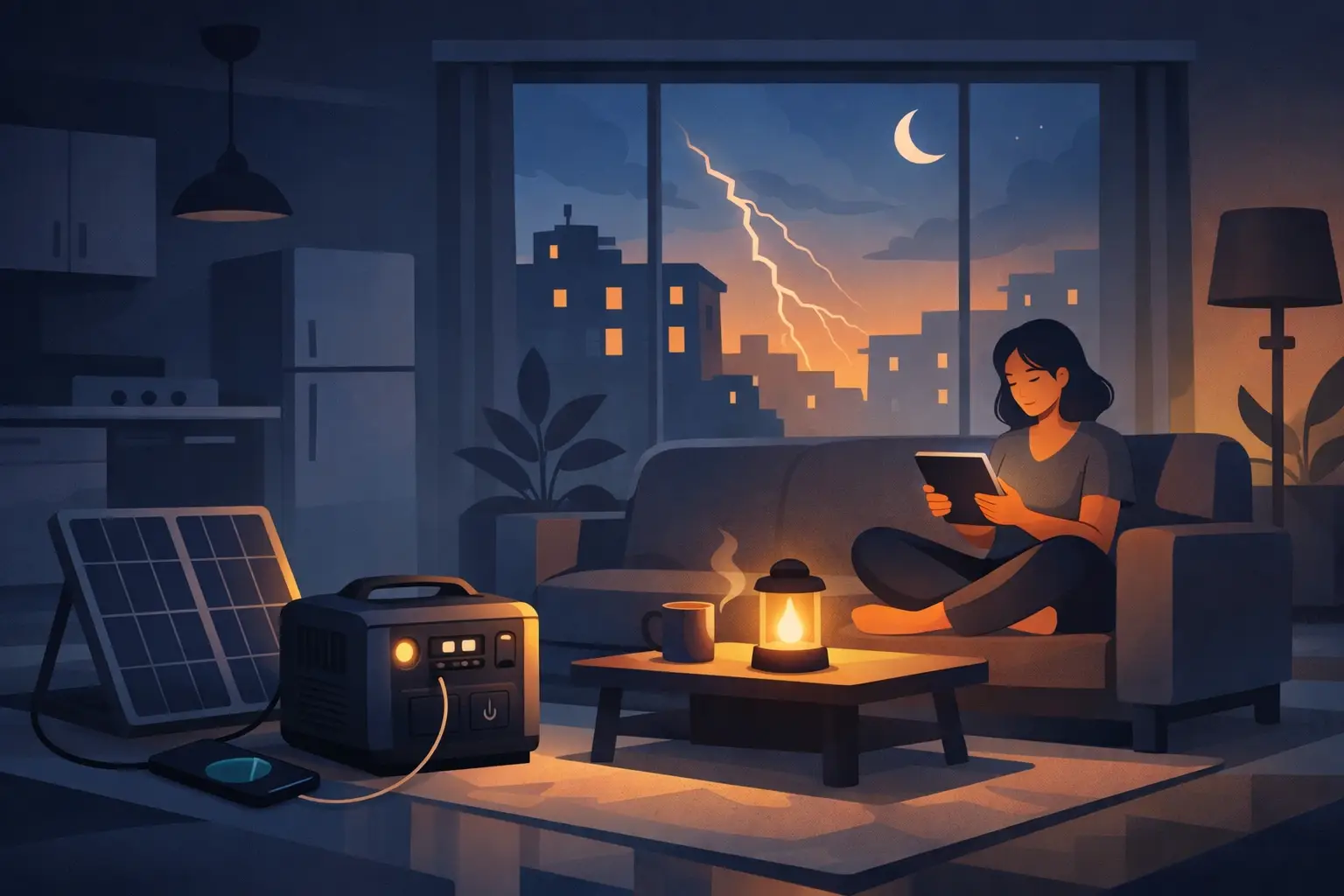
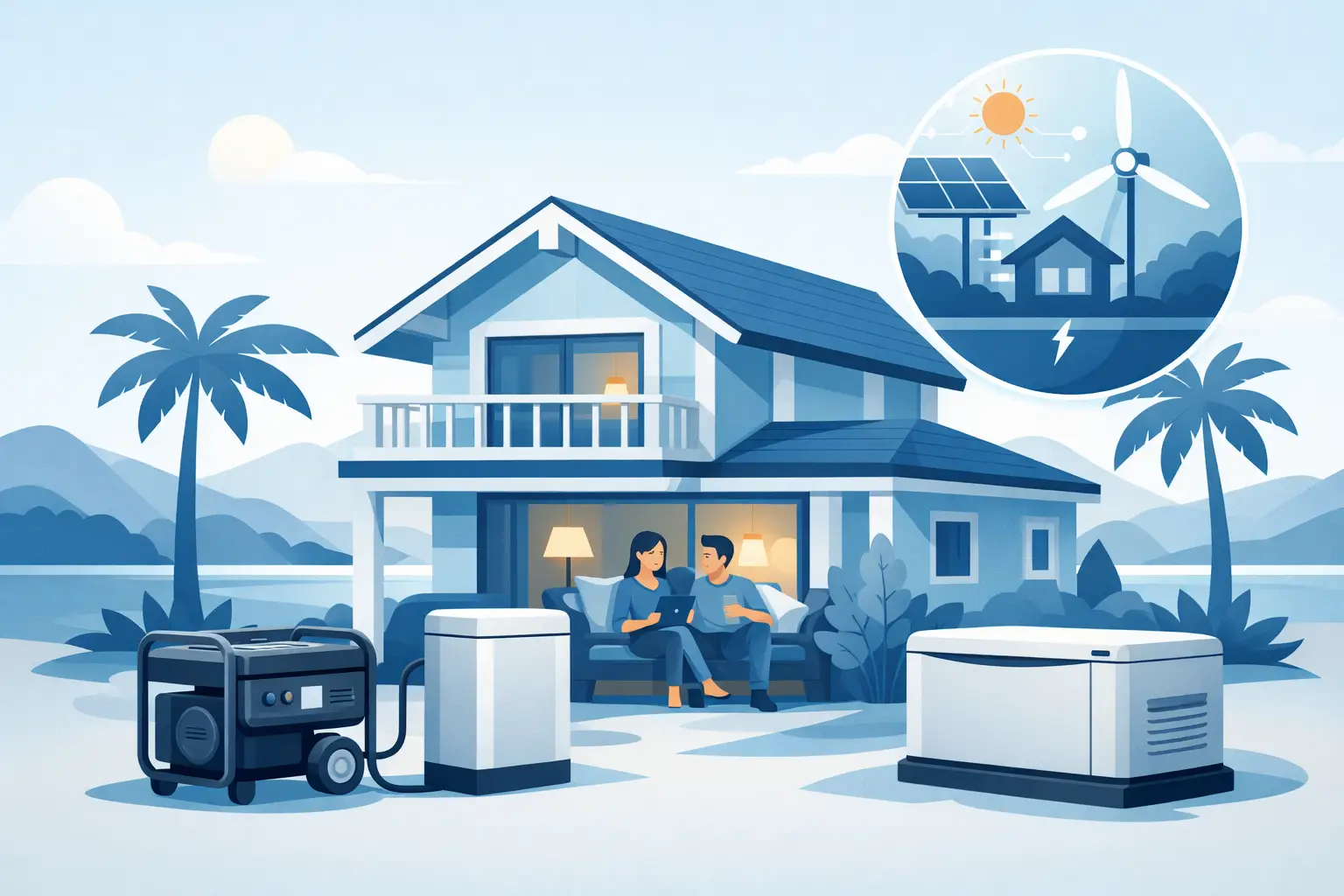
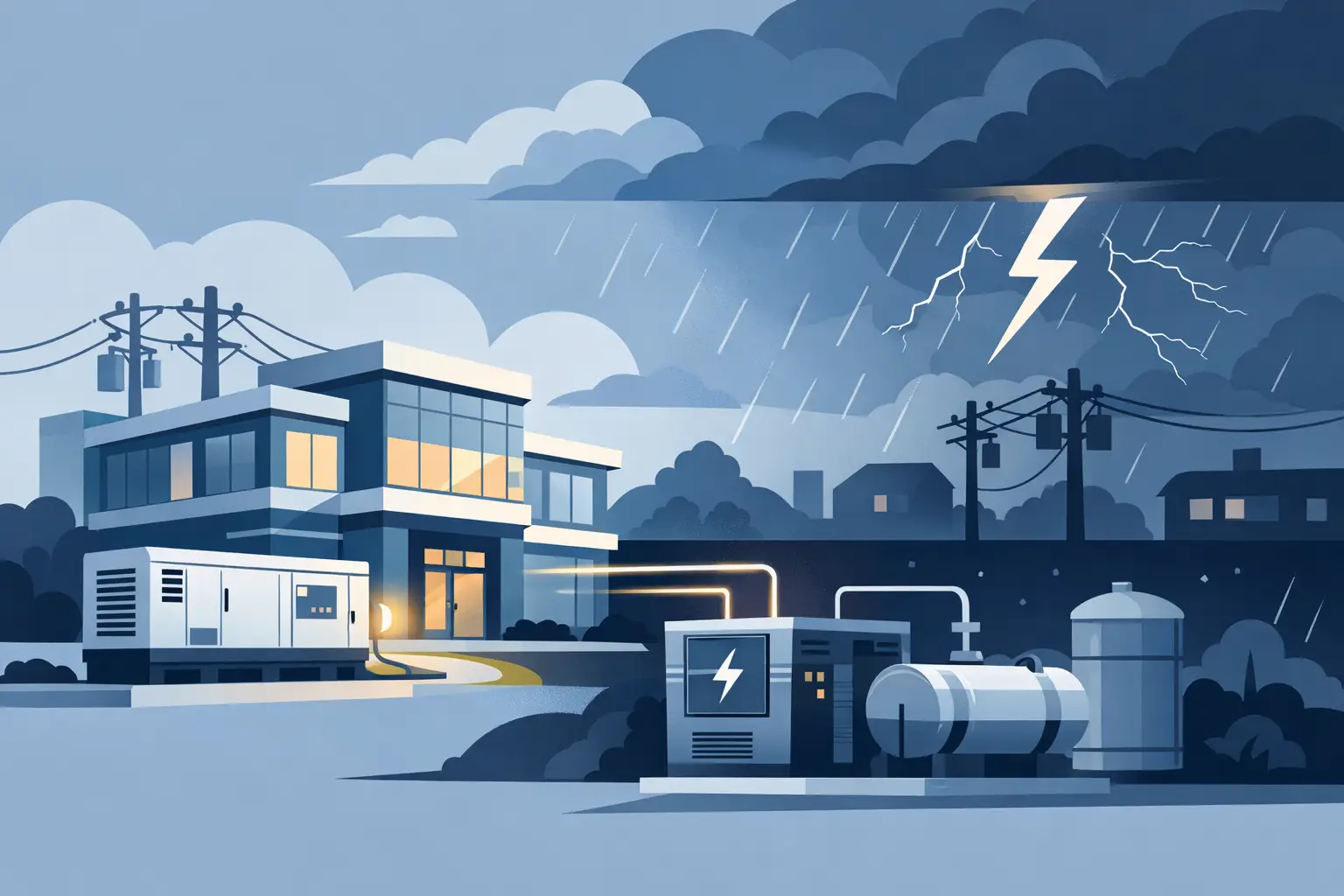
When a storm warning turns serious, the question is no longer whether the power might go out. It is how long you can keep your home, business, or property running once it does. That is why backup power for hurricanes matters so much in the Bahamas, where outages can stretch from inconvenient to dangerous fast.

For most people, the right setup is not the biggest system available. It is the system that can handle your real priorities under island conditions – heat, humidity, salt air, and repeated storm seasons. A good backup plan keeps food cold, phones charged, lights on, and essential equipment running without adding stress when everything else already feels uncertain.

What backup power for hurricanes should actually do

Storm backup is about continuity, not luxury. During a hurricane or the days after, you need power for the basics first. Refrigeration, communication, lighting, fans, internet, medical devices, and security systems usually matter more than whole-home comfort.

That is where people often overspend or undershoot. A small portable unit may be perfect for charging phones, powering a router, and keeping a few lights on, but it will not carry a refrigerator for long. On the other hand, a large home battery system can support far more, but it requires a bigger investment and more planning. The best choice depends on what you need to protect, how often outages happen, and how long you expect to be without the grid.

The main backup power options for hurricane season

Portable power stations

Portable power stations are one of the easiest ways to prepare before hurricane season. They store electricity in a battery and can power small to medium household essentials without fuel, fumes, or the noise of a gas generator. For apartments, smaller homes, renters, and anyone who wants something simple, they are often the fastest upgrade.

They work especially well for charging phones, tablets, radios, laptops, lights, modems, fans, and sometimes a small refrigerator or freezer depending on the battery size and appliance draw. The big advantage is convenience. You can keep one charged, move it where you need it, and use it indoors safely.

The trade-off is runtime. If you choose a station that is too small, it may handle only a few hours of use on larger appliances. That is why sizing matters more than marketing claims.

Solar generators

A solar generator usually means a portable power station paired with portable solar panels. This setup is especially appealing in hurricane-prone areas because it gives you a way to recharge after the storm passes and sunlight returns. If the outage lasts longer than expected, solar can extend your backup window without relying on fuel deliveries.

For island living, this combination makes a lot of sense. Fuel can be hard to find after a major storm, and supply chains do not always recover quickly. A battery-plus-solar setup gives you more control. It also makes everyday use easier, since the same equipment can support camping, outdoor work, remote property use, or regular blackout protection.

Still, solar is not magic during bad weather. Heavy cloud cover, rain, and debris can limit charging during the storm itself. You need enough stored battery capacity to bridge that period, then use solar to recover when conditions improve.

Home battery backup systems

If you want a stronger, more permanent solution, home battery backup is the next step. These systems can support key circuits or larger sections of your home, depending on size and configuration. They are built for households and property owners who need reliable backup for refrigerators, lighting, communications, fans, office equipment, and sometimes air conditioning or pumps.

For many homeowners in the Bahamas, this is where backup power becomes real resilience rather than basic emergency convenience. A properly sized home battery system can reduce disruption, protect daily routines, and support longer-term energy independence when paired with solar.

The main consideration is cost and installation planning. A home battery is not an impulse purchase. But for properties with frequent outages, valuable refrigerated goods, home offices, or vulnerable residents, it can be one of the most practical long-term investments you make.

How to choose the right hurricane backup system

Start with what must stay on. Not what would be nice to have, but what creates the biggest problem if it goes dark. For one household, that may be a refrigerator, phone charging, lights, and a fan. For another, it may include a modem, freezer, security cameras, medical equipment, or point-of-sale devices for a small business.

Once you know your essentials, think about runtime. Do you need backup for a few hours, overnight, or several days? This changes everything. A compact power station may be enough for short interruptions, while a multi-day outage often calls for higher battery capacity, solar recharging, or a larger whole-home approach.

Then consider your environment. In coastal and island settings, durability matters. Equipment should be able to handle heat and humidity, and it should be stored properly before the storm arrives. Products built for harsh conditions are worth more than attractive specs on paper.

A practical way to size backup power for hurricanes

A simple way to think about sizing is by use case.

If your goal is basic emergency power, you may only need enough capacity for phones, lights, a radio, and internet. That is a very different system from one designed to support refrigeration and multiple rooms for an extended outage.

If your goal is household continuity, look at larger portable power stations or a home battery system. These can keep more essentials running at once and reduce the need to ration every device. For families, that difference matters quickly once the outage goes beyond the first day.

If your goal is business continuity or property management, reliability becomes even more important. Downtime can affect tenants, customers, inventory, and security. In that case, underbuying often costs more than sizing correctly from the start.

Why solar-backed batteries make sense after a hurricane

One of the biggest advantages of battery backup with solar charging is recovery. Once the storm has passed and conditions are safe, solar panels can help replenish power without waiting for fuel or utility restoration. That matters in the Bahamas, where logistics after a major weather event can be unpredictable.

This is also where a solar-first backup strategy stands apart from temporary emergency buying. A quality battery and solar setup is useful year-round. It lowers dependence on the grid, helps during routine outages, and can support off-grid or outdoor needs long after hurricane season ends.

That kind of flexibility is part of the value. You are not buying a single-use storm product. You are building a more dependable power plan for island life.

Common mistakes to avoid

The first mistake is waiting too long. Once a storm is named, people rush for solutions, and that is exactly when options narrow and delivery pressure rises. Backup power works best when it is already charged, tested, and understood before the weather turns.

The second mistake is focusing only on wattage and ignoring real-world use. Surge requirements, runtime, recharge speed, and the number of devices you need to power all matter. Bigger is not always better, but too small is frustrating fast.

The third mistake is forgetting the post-storm period. Many outages last longer after the winds pass than people expect. Your backup plan should account for that gap, especially if fuel access, road conditions, or utility repairs are delayed.

Building a smarter storm readiness setup

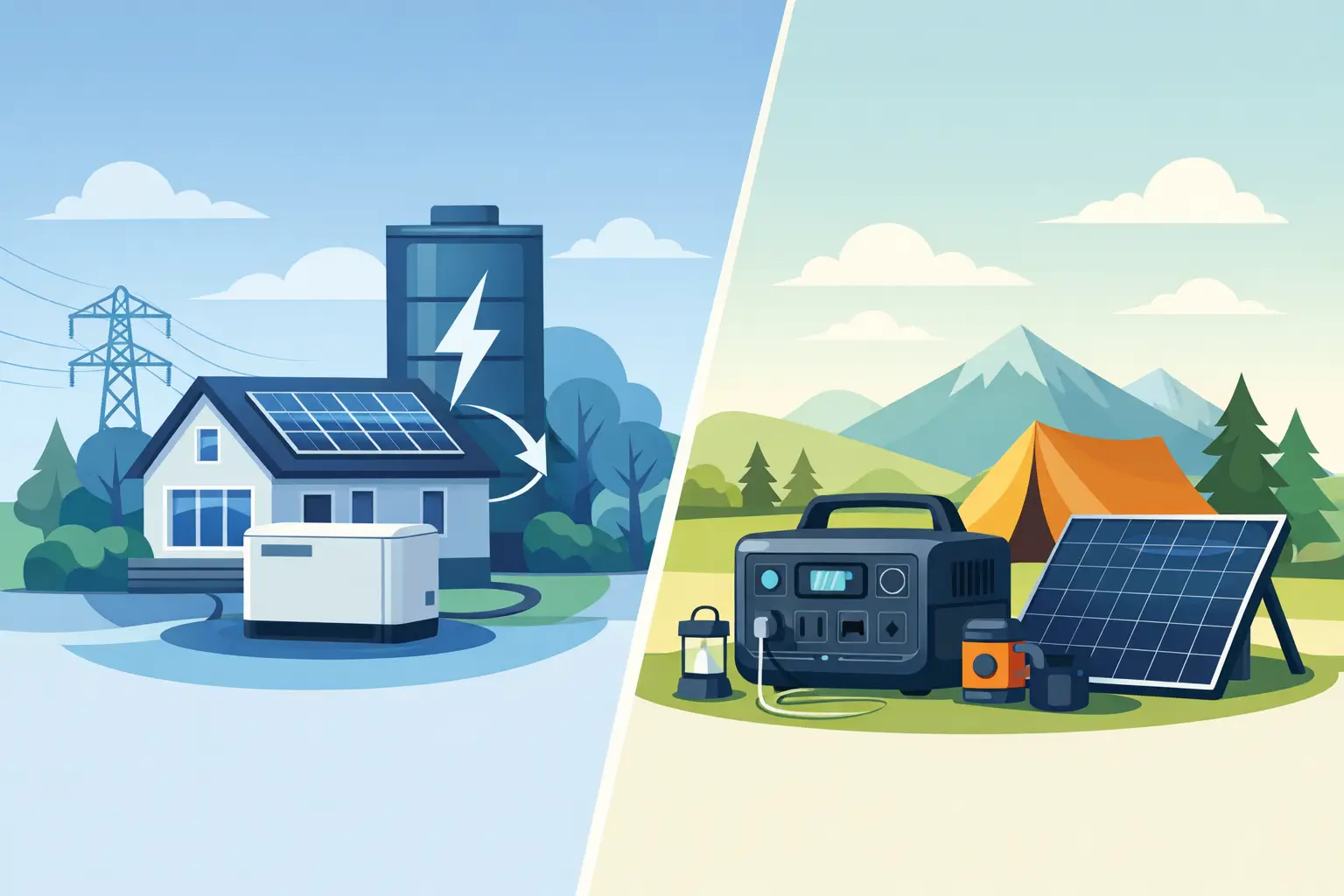
For many homes, the strongest approach is layered. A portable power station can cover immediate essentials and mobile use. Portable solar panels can help recharge once the weather clears. A home battery system can provide a deeper level of protection for larger loads and longer disruptions.

That layered model gives you options. It lets you start where your budget makes sense and build toward stronger resilience over time. It also means your backup power setup can grow with your needs instead of forcing one all-or-nothing decision.

At SOL242, that is the real goal behind hurricane backup planning – not just having power, but having the right kind of power for how you actually live. When the grid goes down, preparation should feel like relief, not guesswork.

The best time to choose backup power is when the skies are clear, your options are open, and you can plan around what matters most. A storm will test your setup eventually. Better to meet that moment with power you trust.

Posted on Leave a comment

Solar System in Bahamas: What Works Best

Solar System in Bahamas: What Works Best

When the power drops in the middle of a hot evening or a storm warning is posted across the islands, a solar system in Bahamas stops being a nice idea and starts looking like basic protection. For homeowners, small businesses, and property managers, the question is not whether backup power matters. The real question is what kind of system will actually hold up in Bahamian conditions and deliver power when you need it most.

That answer depends on how you use electricity, how long you need backup power, and what risks matter most at your property. Some people need to keep a few essentials running through short outages. Others want to cut monthly power costs while building a stronger defense against grid instability. A good setup can do both, but only if the system is matched to island reality – heat, humidity, salt air, and hurricane season.

What a solar system in Bahamas needs to handle

A solar setup in the Bahamas has a tougher job than the average system in a mild inland climate. It has to produce power efficiently under strong sun, but it also needs to withstand harsh environmental exposure over time. Coastal air can be hard on components. High heat affects performance. Storm season changes the conversation from convenience to resilience very quickly.

That is why the best systems are not chosen on panel wattage alone. The full package matters. Panels, batteries, inverters, mounting hardware, and portable backup units all need to make sense together. A system that looks affordable upfront can become expensive if it fails early, cannot store enough energy, or leaves key appliances offline during an outage.

For many Bahamian customers, reliability is the deciding factor. Saving money on electricity is attractive, but dependable backup power usually comes first. If your refrigerator, internet, lights, security system, fans, medical devices, or business equipment cannot go down, your solar plan should start there.

The three most common solar setups

Most people shopping for solar in the Bahamas fall into one of three categories. The first is portable backup. This includes portable power stations paired with portable solar panels. These systems are easy to use, require no major installation, and make sense for apartments, renters, boaters, outdoor users, and anyone who wants emergency power ready before the next outage. They are also useful for charging phones, running small appliances, keeping lights on, and supporting communication devices during short interruptions.

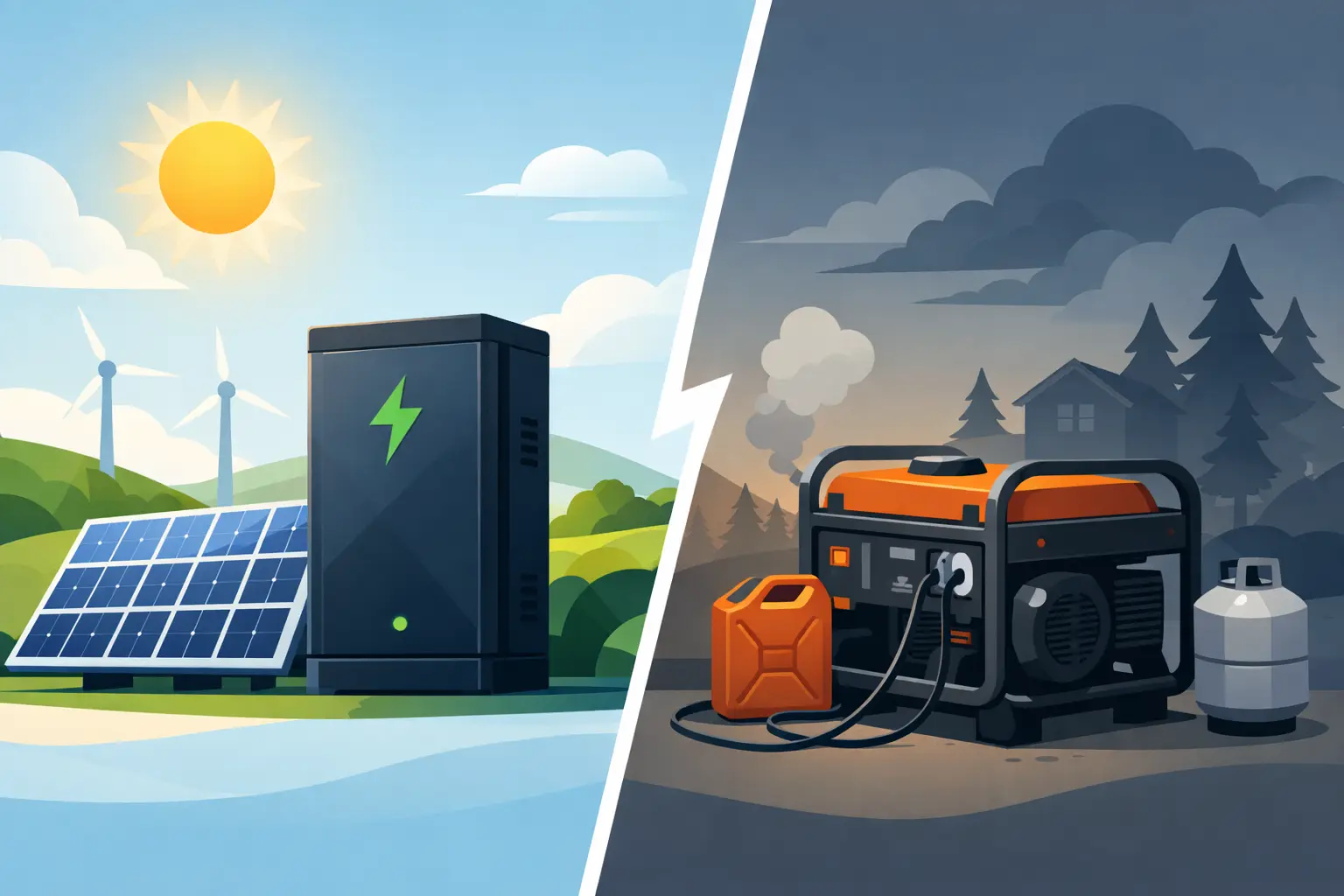
The second category is solar generators and home battery backup systems. These are better suited for households or small businesses that need more power and longer runtime. A battery-backed setup can keep essential circuits operating without the noise, fuel storage, and maintenance that come with traditional gas generators. For many families, this is the sweet spot. It offers real backup security without requiring a fully off-grid property.

The third category is a larger home or commercial solar system with battery storage. This is the strongest option for reducing dependence on the grid and lowering electricity costs over the long term. It can power daily consumption, store excess energy for nighttime or outages, and create a more stable energy plan for properties that use a lot of electricity. The trade-off is cost. These systems require a bigger upfront investment and more careful sizing.

How to choose the right size system

The biggest mistake people make is buying based on a vague idea of power needs. A better approach is to think in layers. Start with what must stay on no matter what. Then look at what would be helpful to keep running. After that, decide what you are willing to leave off during an outage.

For a home, essentials often include the refrigerator, lights, phone charging, internet, fans, and sometimes a small freezer or medical equipment. For a small business, priorities may include POS systems, routers, security cameras, lights, and cold storage. Once you know your critical loads, you can estimate how much battery capacity and solar input make sense.

If your goal is only short-term outage support, a portable power station may be enough. If you want overnight backup or all-day support for multiple appliances, you are usually looking at a larger battery system. If your electricity bill is high and you want savings as well as backup, a broader solar-plus-storage system is often the better fit.

This is where practical planning matters more than chasing the biggest unit available. Oversizing can waste money. Undersizing creates frustration the first time the grid goes down and your battery empties too soon.

Weather, durability, and island conditions

Not every product marketed as solar-ready is ready for the Bahamas. This climate rewards durable equipment and punishes weak points. Corrosion resistance matters. So does build quality in connectors, frames, enclosures, and mounting systems. Heat tolerance is another major factor, especially for batteries and electronics exposed to warm conditions for long periods.

Storm resilience should also be part of the purchase decision, not an afterthought. That does not mean every product is hurricane-proof. It means the system should be selected and installed with severe weather in mind. Portable systems should be easy to store quickly before a storm. Mounted systems need hardware and installation methods designed for high winds. Battery placement should protect against water exposure and unsafe operating conditions.

A lower price can be tempting, but durability pays off in island settings. When equipment is meant to support your household or business during an emergency, reliability is part of the value.

Cost savings matter, but backup power usually comes first

A lot of buyers first look at solar because utility costs are painful. That makes sense. Over time, a well-matched system can reduce your dependence on expensive grid electricity and give you more control over your energy use. But in the Bahamas, solar buying decisions are often driven by a second issue that feels more urgent – power continuity.

That is why battery storage changes the value of solar so much. Panels alone help generate electricity when the sun is out. Batteries let you keep that energy available when the grid fails, at night, or during unstable service. Without storage, your solar setup may offer savings but not the level of protection many island households actually need.

For some buyers, the right move is starting small with a portable system and building up later. For others, it makes more sense to invest once in a larger backup solution that can handle core appliances from day one. It depends on your outage history, budget, and tolerance for disruption.

Best use cases for homes and businesses

Residential buyers often want peace of mind first. A family home may need enough backup power to protect food, maintain airflow, charge devices, support remote work, and keep the house functional after a storm. In that case, a battery backup system with solar charging can offer both everyday value and emergency readiness.

For vacation homes or rental properties, reliability can protect more than comfort. It can help preserve security systems, maintain internet-connected devices, and reduce the risk of spoilage or extended downtime between visits. Property managers usually benefit from systems that are simple to monitor and easy to depend on.

Small businesses have even less room for power interruptions. Lost refrigeration, dead payment systems, poor lighting, and dropped connectivity can quickly turn into lost revenue. A properly sized solar and battery system can keep operations moving during outages and reduce the business risk tied to unstable power.

Off-grid users and outdoor customers have a different set of priorities. Portability, fast setup, and flexible charging matter more. For them, compact power stations, foldable solar panels, and solar generators often make the most practical sense.

What to look for before you buy

A good solar purchase starts with honest questions. How many devices or appliances do you need to run? For how long? Is this mainly for outages, daily savings, or both? Do you need portability, or are you planning a fixed installation?

Then look at product quality, battery capacity, recharge speed, solar compatibility, and support. Warranty coverage matters too, especially when you are buying equipment expected to perform through harsh weather and repeated outages. If a system is meant to protect your household or business, after-sale support is not a small detail.

This is also why localized guidance matters. A product that looks good in a general online listing may not be the best choice for the Bahamas. Island conditions call for equipment selected with durability, weather exposure, and emergency use in mind. That practical focus is where brands like SOL242 stand out.

The best solar system is not always the largest or most expensive. It is the one that keeps your essential power on, fits your property, and stands up to the conditions you actually live with. In the Bahamas, that kind of reliability is not a luxury. It is part of being ready.

Posted on Leave a comment

Off-Grid Solar Power Systems Explained: Everything You Need to Know 

Off-Grid-Solar-Power-Systems

Your electricity bill just hit $180–$200 this month. Again, you experienced multiple power outages last week. You’re thinking, “What if I just cut the cord completely?” An off-grid solar power system could be your answer—but it’s not for everyone.

Here’s the truth about off-grid solar power systems: going completely off-grid means producing 100% of your electricity from solar panels and storing it in batteries. No connection to the utility company. No more monthly electricity bills. Complete energy independence.

However, this level of freedom comes with a price. Off-grid solar systems require a much higher upfront investment compared to standard grid-tied solar systems, especially for homes that already have reliable utility access. Let’s help you decide whether this major investment makes sense for your energy needs and lifestyle.

What Is an Off-Grid Solar Power System

Think of it like this: regular grid-connected solar is like having a safety net. Off-grid solar systems are like walking the tightrope without one. A complete off-grid solar power system includes:

  • Solar panels: These capture sunlight and convert it into electricity during the day.
  • Solar batteries: This is your home energy storage solution. Batteries store excess power generated during sunny hours for use at night or on cloudy days.
  • Charge controller: This device regulates how much power flows into your batteries, preventing overcharging that could damage them.
  • Inverter: Converts DC electricity (what solar panels produce) into AC electricity (what your home appliances use).
  • Backup generator (optional but recommended): For those extended rainy periods when solar production drops.

All these components work together to keep your lights on 24/7 without touching grid power.

How Off-Grid Differs from Regular Solar

Off-grid solar energy

Most people who install solar panels for home choose grid-connected systems. These stay linked to the electricity company.

Grid-connected solar works like this: During the day, your panels generate power. Excess electricity flows back to the grid, earning you credits. At night, you pull power from the grid. Simple.

Off-grid solar energy operates differently. Every watt you use must come from your panels or batteries. Nothing comes from outside. If your batteries run empty, your power goes off unless you have a backup generator.

The grid-connected route is cheaper and easier. The off-grid route offers true independence but demands more planning and investment.

Advantages of Off-Grid Solar Power Systems

Despite the high costs, off-grid solar systems offer compelling benefits.

1. Complete Energy Independence

This is the big one. You control your power completely. No more utility company rate hikes. No more surprise electricity bill increases. No more dependency on external infrastructure. For people who value self-sufficiency, this peace of mind is priceless.

2. Zero Electricity Bills

Once your system is running, sunlight is free. Your monthly electricity cost drops to zero. Let’s do the math. If you currently pay $131 monthly for electricity, that’s $1,570 yearly. Over 25 years (solar panel lifespan), you’d pay $39,240 to the utility company. Your ₹15 lakh off-grid system suddenly looks more reasonable.

3. No Power Outages

Grid failures don’t affect you. Load shedding becomes someone else’s problem. During the 2023 grid collapse in several states, off-grid homes kept running smoothly while everyone else sat in darkness. For businesses or homes with critical power needs (medical equipment, refrigeration, home offices), this reliability is invaluable.

4. Perfect for Remote Locations

If you’re building in a rural area, connecting to the grid might cost $10,900–$16,350 per kilometer. For properties more than 2-3 km from grid lines, off grid solar energy becomes the more economical choice. You avoid installation delays, permission hassles, and ongoing dependency on unstable rural grid infrastructure.

5. Environmental Benefits

You’re running on pure renewable energy. Zero carbon emissions. Zero contribution to grid demand. For environmentally conscious homeowners, this clean energy footprint matters deeply.

Disadvantages You Need to Consider

Now for the challenges. These are serious and shouldn’t be ignored.

1. High Upfront Investment

That $13,080–$21,800 price tag is a barrier for most families. Even with government subsidies (which apply to some components), you’re looking at a significant investment that takes 8-12 years to pay back through saved electricity bills.

2. Limited Power During Cloudy Weather

Three days of continuous rain? Your batteries might run low. Extended monsoon periods test off-grid solar power systems severely. You’ll need to either:

  • Install extra battery capacity (more expensive)
  • Run your backup generator (fuel costs)
  • Reduce electricity usage (uncomfortable)

This isn’t an issue with grid-connected systems that have the utility as backup.

3. Battery Storage Limitations

Batteries can only store so much power. Large loads like air conditioning, electric water heaters, or washing machines drain batteries quickly. You might need to change your lifestyle. Run power-hungry appliances during peak sun hours. Limit AC usage. Plan around weather conditions. This constraint frustrates people used to unlimited grid power.

4. No Safety Net

If your system fails, maybe the inverter breaks or batteries die—you have no power until repairs are done. Grid-connected homes always have the utility as backup. Off-grid homes don’t. You’re completely dependent on your equipment working properly.

5. Maintenance Responsibility

Everything is on you. Panel cleaning, battery maintenance, generator servicing, and troubleshooting problems. With grid power, the utility handles infrastructure maintenance. With off grid solar systems, you’re the utility company.

6. Space Requirements

Battery banks are bulky. A home-sized lithium battery bank might need 10-15 square feet of ventilated space. Lead-acid batteries need even more room plus special ventilation for gases. Not every home has suitable space for proper battery installation.

Who Should Choose Off-Grid Solar

Off-grid solar power systems make perfect sense for specific situations.

Remote or Rural Properties

If grid connection costs exceed $8,720–$10,900, go off-grid. The math works in your favor.

Areas with Terrible Grid Reliability

Daily power cuts exceeding 8-10 hours? Unstable voltage damaging appliances? Grid infrastructure that fails monthly? Off-grid eliminates these frustrations completely.

High Current Electricity Bills

Paying $163.88 monthly for electricity? Your payback period shrinks to 6-8 years, making the investment worthwhile.

Energy Independence Advocates

Some people simply value self-sufficiency above cost considerations. If that’s you, off-grid delivers that independence.

Weekend or Vacation Homes

Properties used occasionally don’t justify maintaining grid connections. Off grid solar energy provides power when needed without monthly standing charges.

Working with Sol242 for Your Off-Grid Setup

Designing and installing off-grid solar power systems requires expertise. This isn’t a DIY project. Sol242 specializes in home energy storage solutions and complete off-grid installations.

What Sol242 offers:

  • Custom system design: We assess your specific energy needs, property conditions, and budget to design optimal systems.
  • Quality component selection: We work only with proven, reliable equipment that performs in Indian conditions.
  • Professional installation: Our certified technicians ensure safe, code-compliant installations that last decades.
  • After-sales support: Regular maintenance packages, troubleshooting, and expansion services keep your system running smoothly.
  • Financing assistance: We help navigate subsidies and can connect you with solar financing options.

Working with experienced providers like Sol242 ensures you get a system sized correctly, installed properly, and supported long-term.

Final Thoughts

Don’t rush this decision. Take time to understand what off-grid solar power systems truly require and whether you’re ready for that commitment. The right system, properly installed and maintained, provides decades of reliable, clean energy independence. The wrong system, poorly planned or installed, becomes an expensive frustration. Get it right from the start. Work with experienced providers. Plan thoroughly. Then enjoy the freedom of producing your own power.

Posted on Leave a comment

Top Benefits of Using Solar Power for Camping and Outdoor Adventures

Solar-Power-for-Camping

People who camp outdoors and do outdoor activities achieve complete liberty through their simplified lifestyle, which helps them connect with nature. People need dependable power to enjoy their outdoor activities while hiking through distant trails, camping near peaceful lakes, and driving their RVs through off-grid areas. The operation of electricity enables people to charge their phones and GPS devices while it powers their lights and cameras and small appliances which provide them with safety and comfort, and convenience.

Solar power has become a suitable and environmentally friendly power solution which outdoor enthusiasts and campers can use. Among solar-powered systems, Sol 242s tands out as a dependable option designed specifically to meet the needs of people who explore beyond traditional power sources. The following section examines the main advantages of solar power for camping activities and outdoor excursions and demonstrates how Sol 242 will improve your time spent in nature.

1. Complete Energy Independence in Remote Locations

The main benefit of using solar power for camping is that it allows users to operate without needing access to conventional power distribution systems. Many of the most beautiful outdoor destinations are far from electrical outlets. Users have unrestricted movement because solar power functions independently from their present location and their duration of stay.

The Sol 242 system enables users to produce electricity directly from sunlight which enables them to establish camps in distant locations while maintaining their power supply. You can sustain your power requirements in any location from mountainous areas to desert regions and beachfronts, without needing generators or campground electrical connections.

The self-contained program structure lets participants explore new locations while they keep their freedom to explore.

2. Environmentally Friendly and Sustainable Power

People can experience nature through camping while solar energy serves as an excellent power source for this outdoor activity. Solar power functions as a clean energy source because it produces electricity through an emission-free process which does not create fumes or produce noise pollution.

Your outdoor activities at Sol 242 will help you minimize your impact on the environment while you experience contemporary amenities. Solar power operates independently from fuel-based generators because it does not need gasoline or diesel fuel which prevents dangerous spills and toxic fumes and long-term environmental harm.

The implementation of renewable solar power systems protects natural environments which will remain available for outdoor enthusiasts to enjoy in the future.

3. Silent Operation for a Peaceful Outdoor Experience

Traditional generators generate excessive noise which stands as one of their main disadvantages. The ongoing engine noise creates problems for local wildlife while it also interrupts the rest of people at camp and it destroys the peaceful nature of being outside.

The Sol 242 operates without sound so you can experience complete immersion in natural surroundings. Your camping experience will stay peaceful and uninterrupted because silent solar power operates during all times including dawn bird listening and evening fire time and nighttime star gazing.

The ability to operate silently provides campers who want to be alone and unwind with their most important advantage.

4. Reliable Power for Essential Devices

People who camp in the present day need more than their tents and campfires to complete their experience. Outdoor enthusiasts depend on their smartphones and GPS units and headlamps and cameras and drones and portable refrigerators for their adventures.

The power system of Sol 242 operates as a dependable power source which enables the operation of vital equipment and maintains their battery power. The system operates with high reliability which provides enhanced safety during emergency situations because essential communication tools and navigation systems remain functional.

5. Cost Savings Over Time

Solar power systems need an initial purchase cost but they will generate financial savings throughout their operational period. Traditional fuel-powered generators require ongoing expenses for fuel, oil, and maintenance. The expenses add up to major financial amounts, which span multiple time periods.

The Sol 242 system generates power through sunlight which enables it to function without needing any additional fuel shipments in the future. Solar power serves outdoor enthusiasts as an affordable power source because it requires minimal maintenance throughout the year.

People who camp frequently or spend multiple days without power access will experience major financial advantages.

6. Easy Setup and User-Friendly Design

The equipment for camping should create a more straightforward experience instead of making things more difficult. Solar power systems designed for outdoor use are typically easy to set up and operate.

The system designers at Sol 242 focused on creating a system that provided users with easy access to its features. The system allows users to begin power generation right away after setup because it requires no complex installation and users need no special knowledge. The system provides users with simple operation which becomes essential during their post-hike or post-drive relaxation time.

Solar power systems operate with user-friendly design which enables all people from first-time users to seasoned explorers to access its advantages.

7. Lightweight and Portable for Travel

The ability to move equipment freely stands as a vital requirement for all camping and outdoor exploration activities. People who backpack or travel with light luggage experience difficulties when they must transport heavy or bulky equipment.

The Sol 242 system provides portability which enables users to move it between vehicles and RVs and remote campsites. The device maintains a small size which enables it to integrate with your camping equipment without occupying too much storage area.

Solar power systems achieve lightweight construction which enables campers to explore longer distances because they generate sufficient power for their requirements.

8. Increased Safety and Emergency Preparedness

Outdoor adventures require safety to be their most important concern. Power access becomes essential during emergency situations which include sudden weather events and accidents and problems with navigation.

The systems on Sol 242 maintain emergency device operation through power supply for phones and radios and flashlights and medical equipment. Solar energy gives you peace of mind because it allows you to handle unexpected situations when your journey becomes longer than you initially expected.

The additional safety features of solar power systems create a protective system which makes them essential for all outdoor activities.

9. Ideal for Extended Camping Trips

A reliable power supply becomes necessary when you plan to stay at a campsite for more than one day or when you will be traveling between different locations. The loss of power during a trip creates two different types of problems which affect our ability to travel and our emotional state.

The Sol 242 system generates power throughout the entire day which enables space missions to extend their duration. The system generates electricity through sunlight which provides power during extended trips that last from multiple days to multiple weeks.

The ability to travel long distances becomes more enjoyable and sustainable because you no longer need to worry about power limitations.

10. Minimal Maintenance Requirements

The operation of camping solar generator differs from mechanical generators because they contain minimal components which move. The system operates with reduced mechanical stress which results in decreased equipment deterioration and reduced need for repairs and maintenance.

The basic maintenance for Sol 242 includes solar panel cleaning and correct storage procedures. The simple operation of solar power systems makes them suitable for outdoor spaces which have restricted access to maintenance equipment and professional repair services.

The system requires less maintenance because it allows people to spend their time outdoors instead of fixing equipment problems.

11. Weather-Resistant and Durable Design

Outdoor gear needs to handle different weather situations because it faces temperatures from hot to cold and encounters rain and wind and dust exposure. The design of camping solar power systems focuses on creating systems which will last through various conditions.

The Sol 242 system operates in outdoor environments which makes it dependable for various environmental settings. The product maintains its performance level throughout all environmental conditions which include forest and desert and coastal areas.

A well-designed system provides you with assurance that your power system will function correctly during critical situations.

12. Supports Eco-Conscious Camping Practices

Nature exploration has become more popular which makes eco-friendly camping methods essential for people who want to experience nature. Solar power enables responsible camping because it lets campers reduce their fossil fuel usage while building an environmentally friendly outdoor experience.

The campers at Sol 242 show their dedication to environmental stewardship through their use of this site which provides contemporary amenities. The method follows Leave No Trace principles which work to defend the natural environments of the area.

Outdoor enthusiasts who want to protect nature can use eco-friendly power solutions to enjoy their time there.

13. Future-Proof Energy Solution

The use of portable power will grow more dependent on technology because it advances at a rapid pace. Solar energy functions as a sustainable power solution which will maintain its ability to meet future power needs.

The energy system described in Sol 242 offers both scalability and sustainability which continues to work well for modern camping equipment and new devices. People who buy solar power systems for outdoor activities will get sustainable power which they can use for their future wilderness adventures.

The product design enables users to experience better comfort during their activities while preserving their capacity to perform adventurous activities.

Some campers express concern that outdoor activities become less interesting when people enter natural spaces with their technology devices. The actual experience of solar power enables you to feel comfortable while keeping you linked to natural surroundings.

The system of Sol 242 provides users with comfortable lighting and operational cooking tools and device charging capabilities while maintaining complete silence and environmental purity. The camp provides its guests with a combination of contemporary amenities and genuine outdoor experiences because of its intentional design approach.

People can achieve comfort and experience adventure by using clean energy systems.

Conclusion

Solar power enables people to experience camping and outdoor activities in a new way because it provides electricity for their camping needs. The system allows people to gain self-sufficiency while offering them enduring protection and comfort which simultaneously protects their environmental natural beauty. The benefits of generators include their ability to operate without noise and their positive impact on the environment together with their ability to save money in the long run and their function as backup power during emergencies.

The system of Sol242 delivers these advantages through its dependable environmentally friendly power system which serves outdoor users. Solar power provides benefits to all outdoor activities which range from short weekend camping trips to extended off-grid expeditions.

Your decision to use solar energy for outdoor activities provides you with functional advantages and protective benefits which also support the development of sustainable environments for our precious natural spaces.

Posted on Leave a comment

Solar Generator vs Portable Power Station: Which One Should You Choose?

solar generators vs portable power stations

People now seek adaptable, sustainable power solutions because their power requirements have expanded throughout their homes and outdoor activities and emergency response strategies. The two most well-liked options that people select for their needs include solar generators and portable power stations. The three terms share common usage, yet they have distinct meanings that affect system operation, user, and system durability. The following guide provides complete details about solar generators and portable power stations, together with their operational explanations, to help users pick their best solution. This article provides you with essential knowledge about solar generators vs portable power stations, which you can use for home power needs, backup system evaluations, and renewable energy system assessments.

Understanding Modern Portable Energy Solutions

Portable Power Station vs. Solar Generator: Which Is Better?

The analysis requires knowledge about portable energy systems because these systems now serve as fundamental operational requirements for modern operations. People need clean mobile energy because of power outages and rising electricity expenses and their love for outdoor activities and their desire to protect the environment.

People want power that is:

  • Reliable
  • Easy to use
  • Environmentally responsible
  • The device functions as an effective solution that serves both emergency needs and standard operational needs.

The market demand has resulted in two main product segments, which include solar generators and portable power stations.

What Is a Solar Generator?

A solar generator for home functions as an independent power system that converts sunlight into electricity before storing it for later use and distribution. It typically includes:

  •  A battery storage unit
  •  A charge controller
  •  An inverter
  •  Solar panels (often connected externally)

The defining feature of a solar generator is its ability to operate primarily using solar energy. The system operates to generate electricity for standalone residential units, and it functions as an emergency power supply and enables sustainable renewable energy operations.

How a Solar Generator Works

  1. Solar panels collect sunlight.
  2. A charge controller enables energy to pass through its system.
  3. The battery contains the power storage component.
  4. An inverter converts stored energy into usable AC power

The system design makes solar generators the core elements of renewable energy systems, which enable users to escape fossil fuel usage.

What Is a Portable Power Station?

A portable power station is a battery-based energy storage device that delivers electricity through various output ports. Unlike solar generators, portable power stations are not inherently solar-powered, though many can be charged via solar panels.

Portable power stations are known for:

  • Plug-and-play simplicity
  • The device has a compact design that allows users to transport it between locations with ease.
  • The device enables users to charge their product through three different methods, which include wall outlet power, car charging, and solar panel energy.
  • These generators serve multiple purposes because they work well for camping activities, travel situations, job site operations, and emergency power supply requirements.

Solar Generator vs Portable Power Station: Core Differences

The core difference between solar generators and portable power stations exists in their power delivery systems and their capacity expansion features, and their upkeep needs.

1. Primary Energy Source

A solar generator is designed around solar input as its main power source. The system achieves its highest performance when users select to operate their business with clean energy power sources.

A portable power station operates through stored battery power, which users can recharge from the electrical grid. Solar charging is optional rather than central.

2. Renewable Energy Capabilities

Solar generators are purpose-built for sustainability. The systems function independently from power grids for long durations while using minimal amounts of fossil fuels.

Portable power stations need solar panels that match their specifications to operate with renewable energy when environmental conditions are suitable.

Users who want to use renewable energy solutions need to understand the difference between these two options.

3. Power Capacity and Scalability

Solar generators operate to fulfill elevated power requirements and extended operation periods because they receive continuous sunlight.

Portable power stations maintain constant battery capacity, which enables them to supply power for short durations and support users who need to power devices at average to small power levels.

4. Ease of Use

Users can operate portable power stations through a basic operating system. They are ready to use out of the box and require minimal setup.

The planning process for solar generators becomes more complex because users need to connect their solar panels to sun exposure optimization systems.

Solar Generator for Home Use: Is It the Better Choice?

Solar Generator for Home

Homeowners who need backup power access tend to select solar generators as their main power solution. A solar generator that operates from home provides multiple beneficial features.

The system continues to function normally when power outages occur.

The system operates at a lower power generation requirement, which reduces its dependence on fuel-based generators for electricity production.

  • Lower long-term operating costs
  • Cleaner indoor and outdoor use

The following items require power, which solar generators provide as their main function.

  • Refrigerators
  • Lights
  • Medical equipment
  • Communication devices

Their sunlight-based recharging system enables them to maintain a reliable power supply during extended blackouts.

Portable Power Station for Home Use: Practical but Limited

Portable power stations function as home power backup systems, but they provide power for limited time periods. They are excellent for:

  • Temporary outages
  • Powering small appliances

Emergency phone and device charging

The power supply of these systems remains restricted because they need their energy sources to stay charged through solar power or grid electricity.

Outdoor and Travel Applications

The two options show excellent performance when used outside, but they excel in different ways.

Solar Generators Outdoors

The system operates at its best when users need to maintain an uninterrupted power supply throughout their time away from the power grid network.

The system functions properly for users who live in recreational vehicles and for users who stay at distant cabins.

The system runs continuously when it gets enough sunlight.

Portable Power Stations Outdoors

  • Lightweight and easy to transport
  • Great for weekend trips
  • The system needs only a basic configuration to start its operational functions.
  • Your outdoor activities determine which option you should choose between them.

Portable Power Station Comparison: Key Evaluation Factors

A portable power station comparison requires evaluation of these essential elements.

Battery Capacity

Determines how long devices can be powered.

Output Options

The power supply includes AC outlets together with USB ports and DC output terminals, which enable its operation.

Charging Speed

The system requires maintenance activities to perform after it finishes each operational cycle.

Weight and Portability

Important for travel and frequent movement.

Charging Methods

Wall, vehicle, or solar compatibility.

Portable power stations provide users with convenience, yet they do not offer sufficient power for people who want to be self-sufficient with their energy needs.

Maintenance and Longevity

The sunlight-powered recharge system of solar generators allows them to operate continuously because it provides an unlimited power supply.

The number of battery cycles in portable power stations determines their operational life because their batteries deteriorate faster when users perform multiple discharges without using renewable energy to recharge them.

Solar generators operate according to sustainable principles because they provide a permanent solution for renewable energy systems.

Cost Considerations

Upfront Cost

Solar generators often require a higher initial investment due to solar components.

The startup expenses for portable power stations remain lower than what other solutions require to operate.

Long-Term Cost

Solar generators operate indefinitely because they do not require fuel or electricity bills for their operation.

The operation of portable power stations requires users to pay for their periodic battery recharging needs.

Environmental Impact

Solar generators operate without producing any emissions while they help decrease our need for fossil fuels.

Portable power stations operate as clean alternatives to gas generators, but their operation requires connection to the electrical grid.

Users who want to protect the environment should select solar generators because these products provide a complete, environmentally friendly power solution.

Emergency Preparedness

In emergency scenarios:

Solar generators operate at a steady power output because they generate electricity through sunlight exposure of their panels.

The portable power stations enable users to access backup power right away but their maximum power output remains limited.

The self-recharging ability delivers vital advantages to regions which get affected by natural disasters.

Who Should Choose a Solar Generator?

A solar generator is ideal if you:

  • The system requires backup power, which should operate continuously for an extended duration.
  • Value sustainability
  • The power supply system in my area faces regular interruptions, which result in power outages.
  • Plan off-grid or remote living
  • Are you investing in renewable energy independence

Who Should Choose a Portable Power Station?

A portable power station operates best for users who need to store electricity beyond their main power grid supply.

  • Need short-term power
  • Travel frequently
  • Want a lightweight solution
  • The system demands that users perform a simple and fast installation process.
  • The system needs to receive its power supply through scheduled operations.

Making the Right Choice

The selection between solar generators and portable power stations depends on which product matches your personal needs and energy requirements and future objectives.

A portable power station would work best for you if you want something that offers both convenience and mobility. Users who need sustainable power with dependable operation and extended equipment life will obtain the highest financial value from the solar generator.

Conclusion

The selection between a solar generator and a portable power station depends on your power system usage patterns, your required electricity duration and your dedication to using solar power. Solar generators operate as sustainable power solutions that provide an extended power supply for residential use and emergencies, and off-grid residential needs. The portable power stations function as mobile energy solutions that deliver brief power supply for various short-duration requirements.

The modern renewable energy system requires Sol242 as its dependable solution, which provides sustainable and reliable performance for future energy needs.

Posted on Leave a comment

Solar Battery Power is the Future for The Bahamas

solar-battery-power

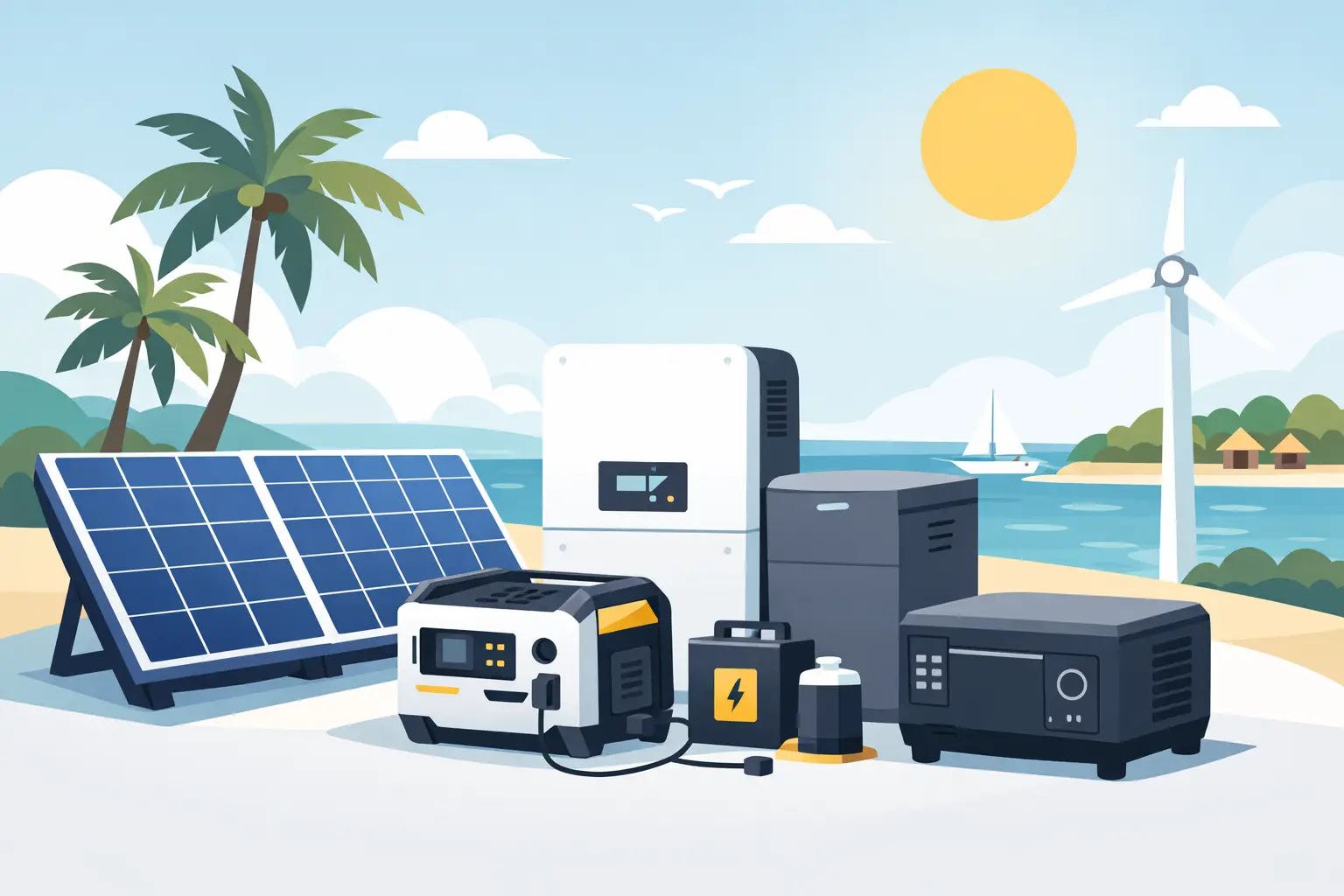
The Bahamas is blessed with sunshine almost all year round, making it one of the best places on earth to embrace solar power. Yet, residents and businesses often struggle with high electricity costs, frequent power outages, and the challenges of maintaining fuel-powered generators. Sol242 brings the perfect solution — combining portable solar panels with advanced power stations to create a reliable and sustainable energy system.

Why Solar Power Fits The Bahamas Perfectly

  1. Abundant Sunshine
    With over 300 sunny days per year, solar energy is a natural resource The Bahamas can rely on.
  2. High Energy Costs
    Imported fossil fuels drive up utility bills. Solar systems paired with Sol242 batteries reduce dependency and save money.
  3. Hurricane Resilience
    After storms, grid power often fails. Sol242 backup stations keep lights, refrigeration, and communication running when needed most.
  4. Off-Grid Possibilities
    Many outer islands lack stable grid access. Sol242’s portable solutions make island life easier, from cottages to fishing shacks to beachside cafés.

How Sol242 Solutions Work in The Bahamas

  • Portable Power Stations: Units like the P5000 Pro or P2001 Plus store energy for homes, resorts, and small businesses.
  • Solar Panels (PV100 / PV200 / PV400): Lightweight, foldable, and optimized for the Bahamian sun.
  • Expandable Batteries (BP2000 Series): Perfect for long power outages or energy-hungry businesses.

Practical Use Cases in Bahamian Life

  • Vacation Homes & Rentals: Keep your Airbnb powered, guests comfortable, and reviews glowing.
  • Fishing & Marine Industry: Refrigeration and navigation systems stay reliable even offshore.
  • Community Facilities: Clinics, schools, and churches can function through outages.
  • Small Businesses: Restaurants, shops, and cafés can cut downtime and maintain service during blackouts.

Environmental Benefits

The Bahamas is at the frontline of climate change. By reducing fuel dependency and embracing renewable energy, we help preserve coral reefs, marine life, and the natural beauty that makes the islands so special. Choosing Sol242 solar + battery power is not just a smart financial decision — it’s a commitment to protecting paradise.

Conclusion

Imagine a Bahamas where every home, every guesthouse, and every business has reliable, clean energy — even during storms. That future is possible today with Sol242.

Posted on Leave a comment

Powering Paradise: How Sol242 Elevates Life in The Bahamas

Bahamas-Hurricane-Season

The Bahamas: turquoise waters, sun-kissed beaches, gentle trade winds, and a relaxed pace of life. It’s one of the most beautiful archipelagos in the world. But paradise has its challenges — power outages during hurricane season, unreliable grid in remote cays, and high costs of fuel for generators. That’s where Sol242 steps in. With cutting-edge portable power stations, solar panels, and home backup solutions, Sol242 offers seamless, sustainable energy so you can live, travel, and thrive in The Bahamas without compromise.

Energy Challenges in The Bahamas & How Sol242 Helps

  • Hurricane & Storm Risk: During hurricane season (June–November), many islands suffer power cuts and infrastructure damage. Sol242’s rugged units like P5000 Series, P2001 Plus, or BP2000 provide resilient backup power when the grid fails.
  • Remote Islands & Off-Grid Living: Some cays are far from main power plants. Transporting fuel/generators to these locations is expensive and inefficient. Portable solar panels + battery backup from Sol242 reduce dependency on fuel-based generators.
  • High Electricity Costs: Importing fossil fuel, diesel, etc., adds cost. Solar + energy storage helps lower monthly expenses and usage peaks.

Top Products of Sol242 Ideal for Bahamian Homes & Businesses

Here are a few product lines from Sol242 that match well with the Bahamian environment:

ProductKey Benefits Relevant to The Bahamas
P5000 / P5000 Pro Portable Power StationsHigh capacity for whole-home backup; supports essential appliances during storms.
P2001 PlusMore compact; good for small homes, vacation cottages, or even food stalls.
Solar Panels (PV100, PV200, PV400)Harness abundant sun; offset energy cost; work well with Sol242’s battery systems.
BP2000 SeriesExpandable battery backup; ideal for residential backup or tourism-lodges.

If you live in Nassau, Hope Town, Exuma, Andros, or any of the beautiful Bahamian islands, it’s time to rethink how you use energy. Sol242 gives you reliable, clean, and sustainable power — whether you’re powering your home, business, or adventures off the grid.

Posted on Leave a comment

How to Prepare Your Home for the 2026 Hurricane Season

As the shadow of Hurricane Helene still lingers, the storms of 2025 are already on the horizon.

Hurricane Helene, a Category 4 storm in 2024, devastated the US Southeast, causing 234 deaths, leaving 3.1 million homes without power, and inflicting over $120 billion in economic damage. NOAA’s latest forecast predicts a 60% chance of an “above-normal” 2025 Atlantic hurricane season, with 13-19 named storms expected, including 6-10 hurricanes, and 3-5 major hurricanes (Category 3 or higher). This natural test, running from June through November, is challenging American families’ emergency preparedness with increasing frequency and destructive power

Decoding the 2025 Hurricane Season: Why Increased Vigilance is Crucial

1. The Meteorological Code for an Active Season: The “Energy Storm” of an ENSO-Neutral Phase

Joint research by NOAA and Colorado State University (CSU) identifies three key climate factors driving the high activity: Atlantic sea surface temperatures 1.2°C above average, providing sustained energy; an enhanced West African Monsoon generating more “seedling” storms; and an ENSO-neutral state removing the wind shear that typically suppresses hurricanes. This combination means storms could develop rapidly, intensify quickly, and follow complex paths. CSU emphasizes a 51% probability of a major hurricane (Cat 3+) making landfall in the continental US – 23 percentage points above the historical average.

2. From the Gulf to New York Bight: The Coastline Threat Map

Core Risk Areas:

  • Gulf Coast (Texas to Louisiana): 65% probability of direct hurricane strike. Helene’s 12-meter (40-foot) storm surge here remains fresh in memory.
  • Florida Peninsula: CSU data shows a 35% probability of a major hurricane landfall. The Miami-Tampa Bay metro areas face dual threats from storm surge and inland flooding.
  • Carolinas Coast: 2-3 storms are predicted to make landfall here in 2025. Lessons must be learned from the severe damage in Spartanburg, SC, in 2024.

Secondary Impact Areas:

  • New York – New England: While direct landfall probability is lower, storm outer bands could bring historic rainfall. NOAA specifically lists low-lying areas like Lower Manhattan and Queens as high-risk flood zones for 2025.
  • Inland East of the Appalachians: Remnant moisture could cause prolonged heavy rain in states like Kentucky and Tennessee, which just experienced deadly storms in May 2025 claiming 28 lives.

3.  From 72 Hours to 3 Weeks: Enhanced Forecasting & Your Response Window

NOAA’s new 2025 forecast models improve hurricane track accuracy by 5% and extend long-range risk forecasts from 2 weeks to 3 weeks. This gives families more crucial preparation time:

  • Hurricane Warning means sustained winds of 74 mph or higher are expected within 48 hours.
  • Hurricane Watch means conditions are possible within 5 days.
    For Helene in 2024, NOAA’s new models accurately predicted its rapid intensification from Category 3 to 4 a full 72 hours before landfall – a critical window for families to complete essential preparations.

The Gold Standard for Family Preparedness: From Supplies to Power

1. The 72-Hour Survival Kit: Non-Negotiable

Per FEMA standards, every family emergency kit must include:

  • Water & Food: 1 gallon of water per person per day (minimum 3-day supply), canned food & manual can opener.
  • Medical & Hygiene: First aid kit, prescription medications, sanitation supplies, hygiene items.
  • Communication & Lighting: Battery-powered (or hand-crank) NOAA weather radio, multi-purpose flashlight, extra batteries.
  • Important Documents: Waterproof bag with IDs, insurance papers, emergency contact list.
  • Special Needs: Baby supplies, pet food, wheelchair batteries, etc.
    *Data Insight: During 2024 hurricanes, families with pre-packed kits maintained basic needs for an average of 4.2 days post-power loss – 3.1 days longer than unprepared families.*

2. Fortifying Your Home: Windows to Roof

Critical Protective Measures:

  • Window Protection: Use 6mm (1/4″) thick plywood (pre-cut and labeled) or professional storm shutters. 2024 studies show unprotected windows have an 87% breakage probability in 110 mph winds.
  • Roof Reinforcement: Inspect asphalt shingles for wear. Secure roof trusses with hurricane straps, reducing roof uplift risk by 30%.
  • Outdoor Items: Clear gutters and downspouts. Secure or bring indoors patio furniture, trash cans, etc. Unsecured outdoor items caused 12% of Helene’s total losses.

3.  Power Backup: From Generators to Home Energy Storage

Limitations of Traditional Solutions:

Gas Generators: Noisy (~95 dB), require constant fuel (gas stations may be closed 7-10 days post-storm), pose carbon monoxide risk (accounted for 9% of Helene’s storm-related deaths).

Small Power Banks: Only charge phones, cannot power refrigerators or medical devices.

Advantages of Modern Energy Storage:


Systems like the OUKITEL P5000 Pro (5120Wh) and the expandable BP2000+B2000 (4096Wh, expandable to 7x B2000) redefine home power resilience:

  • High-Capacity Power: 5120Wh runs a fridge (200W) for 25+ hrs, medical devices (100W) for 51+ hrs, LED lights (20W) for 256+ hrs.
  • Flexible Expansion: BP2000 base + 7 B2000 modules = 16384Wh microgrid for 7+ days of outage.
  • Multi-Source Charging: Solar panels (optional), car charger. Smart app monitoring for real-time status.
  • Real-World Scenario (4-person family with P5000 Pro): Keep fridge running (protecting meds/food), power medical devices (CPAP, oxygen), run Wi-Fi router (stay connected), provide lighting (reduce panic).

OUKITEL Energy Storage: Your Hurricane Season Power Security

1.  Core Specs & Hurricane Resilience

OUKITEL P5000 Pro: The Home Backup Workhorse

  • Capacity: 5120Wh (LiFePO4 battery, 5000+ cycles)
  • Output: 3600W (Peak 7200W) – runs heavy-duty tools.
  • Ports: 5x AC outlets, 4x USB-A, 2x USB-C, 1x 12V carport.
  • Charging: AC Fast Charge (0-100% in ~2hrs), AC + Solar Dual Charging (w/ optional 400W panels, ~1hr for full solar charge).
  • Key Advantage: Built-in BMS with overcharge/over-discharge/overheat protection. Stable in Florida’s heat/humidity.

BP2000 + B2000: Expandable Power Matrix

  • Base Capacity: BP2000 (2048Wh) + B2000 (2048Wh) = 4096Wh.
  • Max Expansion: 1x BP2000 + 7x B2000 = 16384Wh.
  • Modular Design: Add batteries as needed, reducing initial cost by ~35%.
  • Emergency Feature: Hot-swappable batteries – add power without shutting down critical devices.

2.  Sizing Guide: Match the Right System to Your Home

Power Calculation in 3 Steps:

  • List Critical Loads: Fridge (200W), Medical Device (100W), Router (10W), 4x LED Lights (20W each = 80W). Total: ~390W.
  • Calculate Daily Usage: 390W x 24hrs = 9360Wh (Add 20% buffer = ~11,232Wh/day).
  • Match the Solution:
  • *3-Day Backup:* 2x OUKITEL P5000 Pro (2 x 5120Wh = 10240Wh).
  • *7+ Day Backup:* BP2000 + 7x B2000 (16384Wh).

From Warning to Recovery

1. Preparedness Timeline: Stage-by-Stage Actions

1 Month Before Storm Season:

  • Purchase & test OUKITEL unit. Practice charging/discharging.
  • Contact utility about outage plans; register for special needs programs.
  • Trim trees, inspect roof & drainage.

72 Hours Before Landfall (Watch/Warning Issued):

  • Fully charge OUKITEL. Test run critical devices.
  • Stock 7+ days water & non-perishable food.
  • Download NOAA Hurricane Tracker app; enable alerts.

24 Hours Before Landfall (Warning Likely Active):

  • Turn off non-essential devices. Switch OUKITEL to Eco mode.
  • Move vehicles to high ground. Prepare Go-Bags.
  • Install plywood/shutters. Secure all outdoor items.

2.  Power Management During Outage

Load Prioritization:

  • Tier 1 (Always Power): Medical devices, fridge/freezer, router, emergency lights.
  • Tier 2 (Use Sparingly): Fans, TV, laptop charging.
  • Tier 3 (Avoid): Microwave, coffee maker, non-essential lights.

Energy-Saving Tips:

  • Set fridge to coldest setting pre-outage; minimize door openings (extends cooling 8-12 hrs).
  • Use OUKITEL app to monitor usage; turn off idle loads.
  • Use natural light by day; group activities under LED lights at night.

3.  Recovery & Equipment Care

Post-Storm Safety Checks:

  • Ensure home structure is safe BEFORE turning on power systems.
  • Inspect OUKITEL unit for water damage or physical impact. Disconnect if damaged.
  • Prioritize charging phones to contact family and get recovery info.

Energy Storage Maintenance:

  • Recharge OUKITEL promptly after storm; avoid deep discharge.
  • Clean exterior; ensure vents are clear.
  • If saltwater flooded, contact support immediately (corrosion risk).

When Technology Meets Preparedness, Every Hurricane is a Challenge You Can Overcome

While the 2025 hurricane season may be more challenging, NOAA data shows families who prepare at least 72 hours in advance reduce injury/death rates by 83% and property damage by 67%. The OUKITEL P5000 Pro and BP2000+B2000 aren’t just power sources; they’re a technological upgrade to your family’s resilience. The 5120Wh capacity safeguards the critical 72-hour window, the modular design fits diverse needs, and smart management ensures efficient power use.

Act Now: Visit the OUKITEL website.

Find your perfect power solution. Monitor NOAA forecasts and refresh your emergency kits. When the storm hits, thorough preparation and reliable technology will be your family’s strongest defense.