



How to Prepare Your Home for the 2026 Hurricane Season
As the shadow of Hurricane Helene still lingers, the storms of 2025 are already on the horizon. Hurricane Helene, a
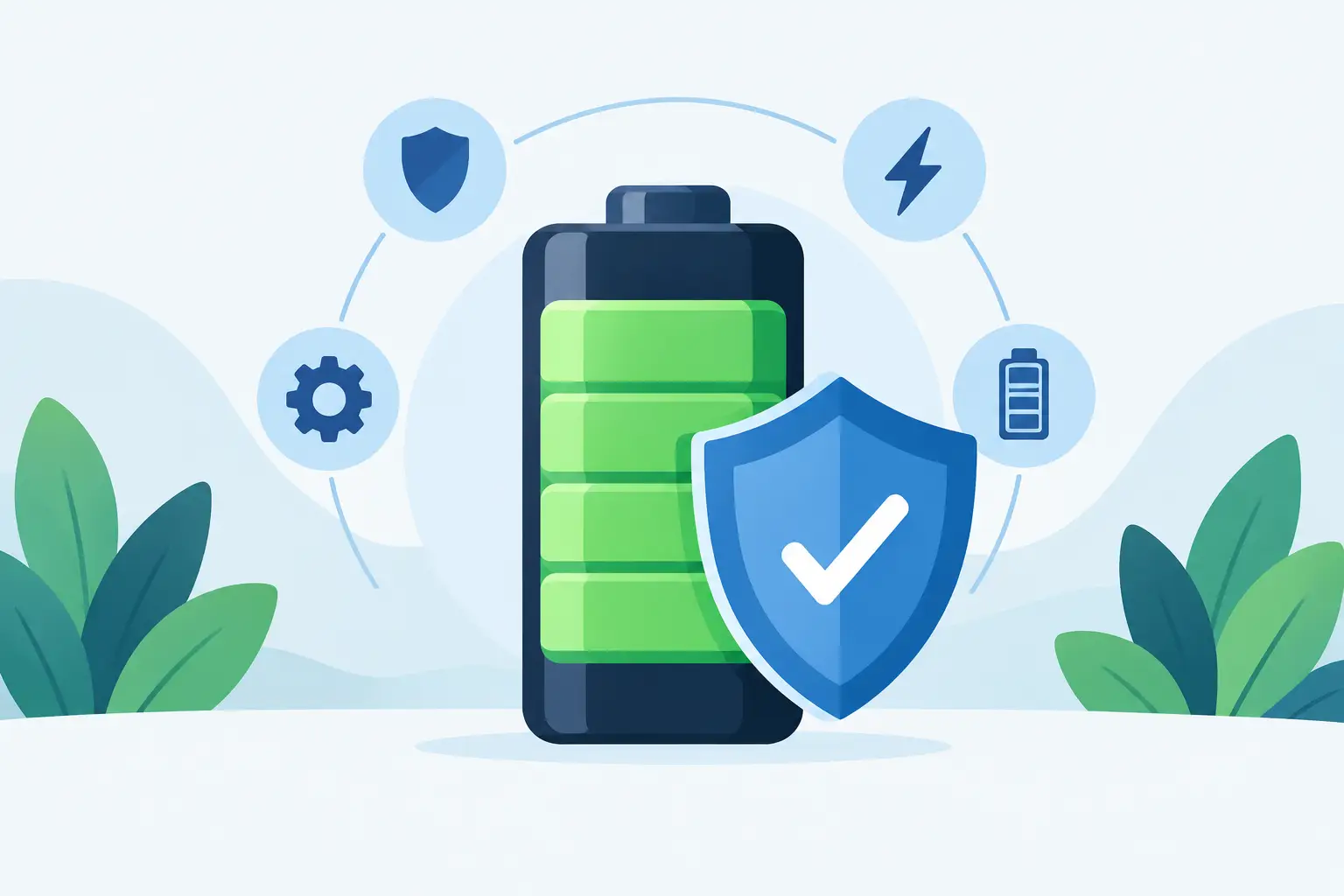
A backup battery is supposed to be there on the night the power goes out, not become another problem to solve. That is why battery warranty coverage deserves the same attention as battery capacity, output, and recharge time. A strong warranty can protect a major investment. A misunderstood one can leave you paying for repairs or replacement when you expected support.
For homeowners, property managers, and small businesses preparing for outages, the goal is simple: buy equipment that performs when conditions are hardest. The warranty tells you what happens if the product does not perform as promised.
Most battery warranties address two separate issues: defects in materials or workmanship, and expected battery performance over time. They are related, but they are not the same promise.
A defect warranty generally covers a battery that fails because of a manufacturing issue. Examples may include a battery management system that stops working, an internal component failure, or a unit that will not charge or discharge under normal operating conditions. Coverage is often limited to a stated number of years from purchase or delivery.
A performance or capacity warranty addresses the natural decline in usable battery capacity. Every rechargeable battery loses some capacity through use and age. A manufacturer may promise that the battery will retain a specified percentage of its original capacity for a certain period, number of cycles, or energy throughput. For example, a battery may be expected to retain at least a stated capacity level after several years of normal use.
That distinction matters during a long outage. A portable power station that runs fewer devices than it did when new is not automatically defective. If it remains above the manufacturer’s guaranteed capacity threshold, it may be operating within the warranty terms. On the other hand, a sudden, significant loss of capacity or an inability to power normal loads may point to a covered issue.
Warranty language can sound broad at first glance, but coverage always comes with conditions. Read the actual terms for the specific battery or solar generator you are considering, rather than assuming one product line has the same protection as another.
The most common limits involve normal wear, accidental damage, improper use, unauthorized repairs, and use outside the equipment’s stated specifications. Dropping a portable power station, using damaged charging cables, modifying internal parts, or connecting loads beyond the rated output can all affect a claim.
Weather exposure needs special attention in coastal and island environments. A battery may be useful during hurricane season, but that does not mean it can be left exposed to driving rain, floodwater, salt spray, or direct sun if its enclosure is not rated for those conditions. Heat and humidity can also reduce battery life over time. The right setup protects equipment in a dry, ventilated location while keeping it accessible for an emergency.
For installed home battery systems, coverage may also depend on proper installation. Some manufacturers require installation by a qualified professional, approved wiring methods, compatible inverters, or a compliant electrical setup. A battery connected incorrectly may be unsafe, and it may also fall outside warranty protection.
A product warranty covers qualifying product failures. It is not insurance for every event that can happen to your equipment. Damage caused by flooding, lightning, fire, impact, theft, pests, or a severe surge may be excluded, even when the battery was purchased specifically for emergency readiness.
This does not make a warranty less valuable. It simply means your protection plan should be realistic. Store portable units above potential flood levels, use surge protection where appropriate, secure solar panels before a major storm, and review your property insurance for equipment coverage. Preparedness works best when each layer has a clear purpose.
There is no single ideal warranty length because the right answer depends on the type of system and how it will be used. A compact power station used for weekend trips and occasional outages has a different duty cycle than a home battery that supports essential circuits every day.
Portable power stations often have warranties measured in a few years, while larger home battery systems may offer longer terms. Capacity guarantees may be tied to years, charge cycles, or total energy delivered. A longer warranty can be a meaningful sign of manufacturer confidence, but it should not be the only buying factor.
Look at the whole picture: battery chemistry, expected cycle life, continuous output, recharge options, operating temperature range, service process, and whether the unit is sized for the loads you truly need. A long warranty on an undersized battery will not keep your refrigerator, communications equipment, medical device, or business essentials running when the grid is down.
For many households, the better choice is a properly sized system with clear terms and dependable support rather than the longest warranty headline on the page.
Before choosing backup power, ask the seller or manufacturer what specifically triggers a warranty claim. You should know whether the warranty covers both parts and labor, whether shipping is included, and whether the remedy is repair, replacement, or a prorated credit.
Ask how capacity is tested. Some warranties require a diagnostic review, usage logs, or a remote assessment before a claim is approved. That is normal, but understanding the process ahead of time prevents frustration when power reliability is already urgent.
Also confirm when the coverage period begins. It may start on the purchase date, delivery date, or installation date. Keep the invoice, serial number, order confirmation, installation records, and any registration confirmation in a safe digital location. If a storm disrupts access to paperwork, those records can make the claims process much easier.
If you are pairing a battery with solar panels, verify compatibility. A warranty issue can become complicated when a battery, inverter, charge controller, panel, and cable system come from different sources. Use approved accessories and follow the published setup guidance. The least expensive connection option is not a bargain if it compromises safety or coverage.
Good ownership habits help preserve both battery performance and your ability to make a valid claim. Keep the unit clean and dry, avoid blocking ventilation, and do not store it in extreme heat whenever possible. Check cables and connectors before use, especially after a storm or a period of storage.
Recharge the battery according to the manufacturer’s storage recommendations. Lithium batteries should not be left fully depleted for extended periods, and they should not be stored indefinitely at full charge unless the product instructions say otherwise. A regular check every few months can reveal problems before an emergency does.
For a home backup system, schedule periodic inspections of visible wiring, mounting hardware, and surrounding ventilation. For portable equipment, run a practical readiness test: charge it, connect the devices you expect to use, and confirm how long those loads actually run. This is more useful than relying on a number printed on a box.
If something seems wrong, document it early. Take photos or video of error messages, charging behavior, physical damage, and connected loads. Record the date, serial number, and steps you have already taken. Do not open the battery or attempt internal repairs unless the manufacturer explicitly authorizes it. An unauthorized repair can turn a manageable warranty claim into an avoidable expense.
A claim is worth starting when the battery fails to charge, will not power expected loads within its rated limits, displays recurring fault codes, loses capacity unusually quickly, or shows signs of a possible internal defect. Stop using the unit if you notice swelling, overheating, unusual odors, leaking, smoke, or damaged casing. Battery safety comes before troubleshooting.
Start with the product documentation and the seller’s support process. Have your proof of purchase and product details ready, then describe the issue clearly without guessing at the cause. A good support team can determine whether the issue is a setting, a cable, a charging source, an installation concern, or a qualifying product failure.
The best battery warranty coverage is not a substitute for choosing quality equipment and caring for it properly. It is the safety net behind a well-planned backup power system. Choose equipment sized for your real needs, protect it from the conditions it was not built to withstand, and keep your records ready. When the next outage arrives, that preparation gives your household or business one less uncertainty to manage.
As the shadow of Hurricane Helene still lingers, the storms of 2025 are already on the horizon. Hurricane Helene, a
The Bahamas: turquoise waters, sun-kissed beaches, gentle trade winds, and a relaxed pace of life. It’s one of the most

The Bahamas is blessed with sunshine almost all year round, making it one of the best places on earth to
All rights reserved sol1242.com © 2025


