
How to Prepare Your Home for the 2026 Hurricane Season
As the shadow of Hurricane Helene still lingers, the storms of 2025 are already on the horizon. Hurricane Helene, a

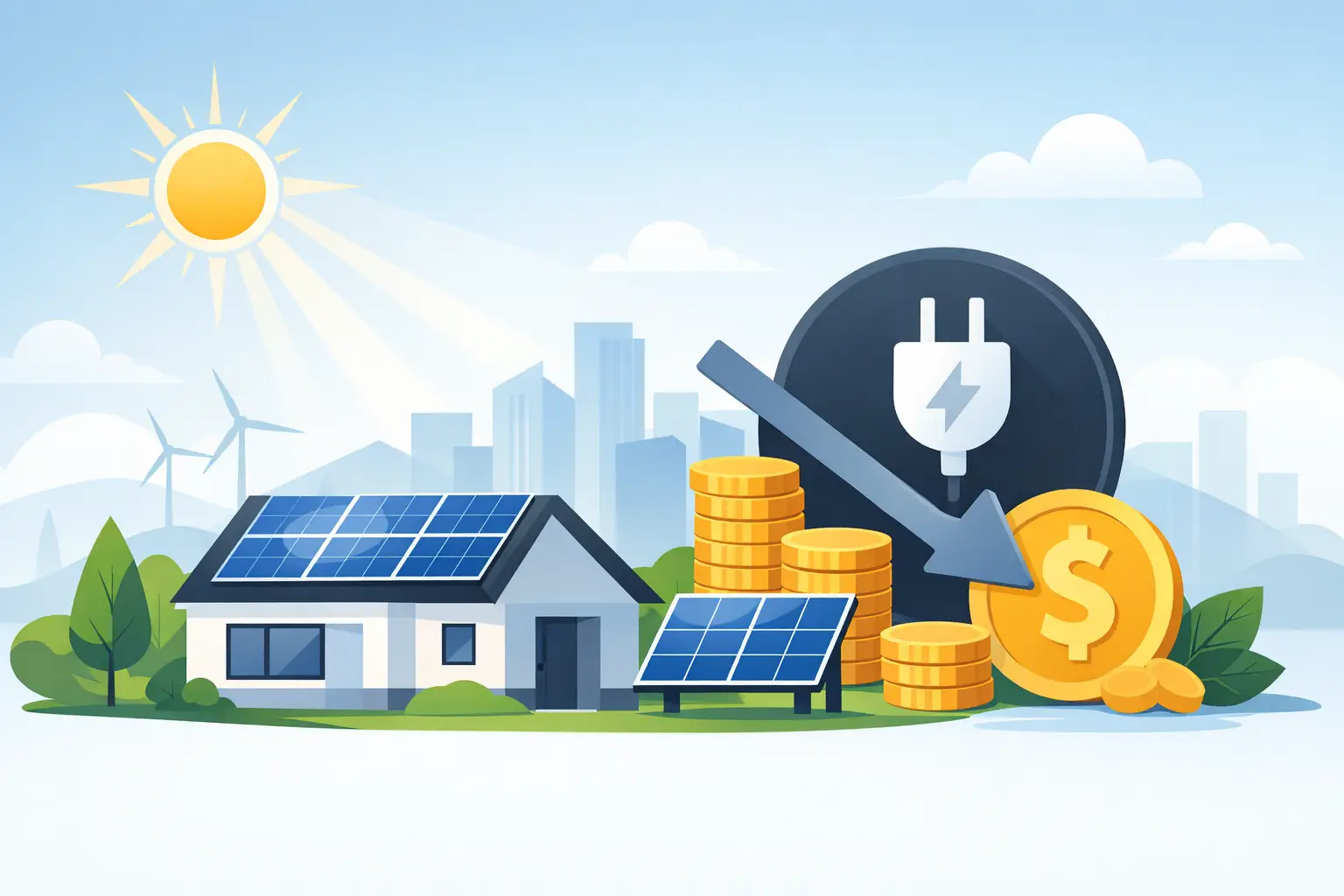
When your electric bill jumps after a hot month, it does more than strain the budget. It reminds you how exposed your home or business is to rising rates, heavy AC use, and an unreliable grid. That is why so many people are asking how to reduce electricity bills solar systems can actually help lower, not just in theory, but in daily use and during outages.
For most households, the answer is not simply “buy panels.” The real savings come from matching the right solar setup to the way you use power. If you live in a place where heat, humidity, salt air, and storms are part of life, that matters even more. A system that looks good on paper but cannot hold up in coastal conditions will not deliver dependable savings when you need it most.
Solar lowers electricity costs by replacing some of the power you would normally buy from the utility. During daylight hours, your panels generate electricity for your home, business, or battery system. The more of that solar power you actually use, the less grid power you need to pay for.
That sounds simple, but the savings depend on a few practical details. First, your daytime usage matters. If your biggest loads happen while the sun is up, solar can offset a larger share of your bill. If most of your use happens at night, adding battery storage becomes much more important.
Second, system size matters. A small setup can trim bills, but it may only cover essentials or a portion of your daily usage. A larger system can reduce utility dependence more aggressively, though it comes with a higher upfront cost. There is no single perfect size for everyone. A family home with central AC, multiple refrigerators, and home office equipment will have different needs than a small retail shop or a part-time vacation property.
Third, local conditions shape real-world performance. In sunny coastal regions, solar potential is strong, but equipment also has to deal with high temperatures, moisture, and storm exposure. Reliable savings come from products designed for that environment, not just from chasing the lowest sticker price.
If you want solar to make a visible difference on your bill, begin with the appliances and habits driving your costs. Air conditioning is usually the biggest factor in warm climates. Water heaters, refrigerators, freezers, pool pumps, and commercial cooling equipment can also keep bills elevated month after month.
Look at your last several utility bills and compare usage across seasons. If your bill spikes every summer, your cooling load is likely the main target. If it stays high year-round, you may have constant heavy loads running in the background. Solar works best when you understand what it is trying to offset.
This is also where many people miss an easy win. Before increasing solar system size, cut waste where you can. Better insulation, smarter thermostat settings, LED lighting, and efficient appliances reduce the amount of solar capacity you need. That lowers system cost and can shorten the payback period.
If your goal is only to lower daytime electricity costs, solar panels by themselves may help. But if you want to keep essentials running during outages and reduce your dependence on expensive evening power, battery backup changes the equation.
A battery stores excess solar energy generated during the day so you can use it later. That means your solar investment keeps working after sunset. It also gives you a more stable source of power when the grid goes down, which is not a side benefit in storm-prone areas. For many homeowners and small business owners, resilience is part of the savings calculation. Spoiled food, interrupted operations, and emergency fuel costs add up fast.
Portable power stations and portable solar panels can also play a role, especially if you are not ready for a full home system. They are useful for apartments, smaller backup needs, mobile work, and emergency preparedness. They will not offset an entire household electric bill, but they can reduce generator fuel use, cover essential devices, and provide dependable backup for communications, lights, and medical or office equipment.
The right system is the one that covers the loads you care about most without overbuilding. Start by deciding what success looks like. Do you want to lower your bill by 20 percent, cover your daytime essentials, or protect the whole property during an outage? Those are different projects.
For some people, a modest setup tied to key daytime loads is enough. For others, especially those dealing with frequent outages or high business continuity risks, a home battery backup system paired with solar makes more sense. Property managers and business owners should also think beyond the monthly bill. Tenant comfort, refrigeration, internet uptime, and payment systems all affect revenue and reputation.
If your budget is limited, a phased approach often works well. Start with a core backup and solar setup that covers essentials, then expand over time. That keeps you moving toward lower bills and better resilience without waiting for a perfect all-at-once installation.
One reason some people hesitate on solar is the upfront expense. That concern is reasonable. Solar is not magic, and the cheapest option is not always the most affordable over time.
Low-quality equipment may save money on day one but cost more later through weaker performance, shorter lifespan, corrosion, or poor reliability during extreme weather. In coastal and island environments, durability is not a bonus feature. It is part of the value.
The stronger long-term play is to choose equipment built for heat, humidity, and demanding use, then size it around your actual power priorities. That is where savings become more predictable. You are not only buying lower utility consumption. You are buying continuity, fuel-free backup potential, and protection against rising energy costs.
The biggest missed opportunity is timing. Even with a good solar setup, savings improve when you shift certain activities into daylight hours. Run laundry, charge devices, power tools, pumps, or business equipment when solar production is strongest. If you have battery storage, use it strategically to carry evening essentials instead of draining it too early.
This does not require a major lifestyle overhaul. It just means being intentional. When your system is producing free energy, that is the best time to use it. Small scheduling changes can improve the return on your equipment without adding a single extra panel.
Monitoring matters too. If your energy use starts climbing again because of an aging appliance, thermostat changes, or added equipment, your bill savings can shrink even with solar in place. A system should not be treated as set-it-and-forget-it if your usage patterns are changing.
Homeowners usually benefit most from systems that support daily loads and outage protection together. If your household depends on refrigeration, internet, fans, lighting, and AC during hot weather, pairing solar with battery backup can deliver both savings and peace of mind.
Rental property owners may focus on keeping critical circuits available and reducing operating costs without creating a complicated setup for tenants. In that case, durability, low maintenance, and essential-load backup are often more valuable than maximum generation.
Small businesses often have the clearest case for solar because downtime is expensive. If card systems, internet, freezers, lights, or security systems go offline, losses hit quickly. A dependable solar and battery setup can lower monthly power costs while also protecting daily operations.
For customers in the Bahamas and other coastal markets, this is where local fit matters. Equipment needs to perform in salt air, high heat, and storm season conditions. That is why a retailer like SOL242 focuses on practical solar and backup solutions built for those realities, not generic energy gear that looks fine until the weather turns.
Solar works best when you treat it as part of a bigger readiness plan. Lower bills are a strong reason to start, but reliable backup power, better control over your energy use, and less exposure to outages are what make the investment feel worthwhile month after month. If your current electric bill feels like a warning sign, it probably is – and the right solar setup can help you answer it with something more dependable.
As the shadow of Hurricane Helene still lingers, the storms of 2025 are already on the horizon. Hurricane Helene, a
The Bahamas: turquoise waters, sun-kissed beaches, gentle trade winds, and a relaxed pace of life. It’s one of the most

The Bahamas is blessed with sunshine almost all year round, making it one of the best places on earth to
All rights reserved sol1242.com © 2025


