

Bahamas Solar Backup Solutions That Last
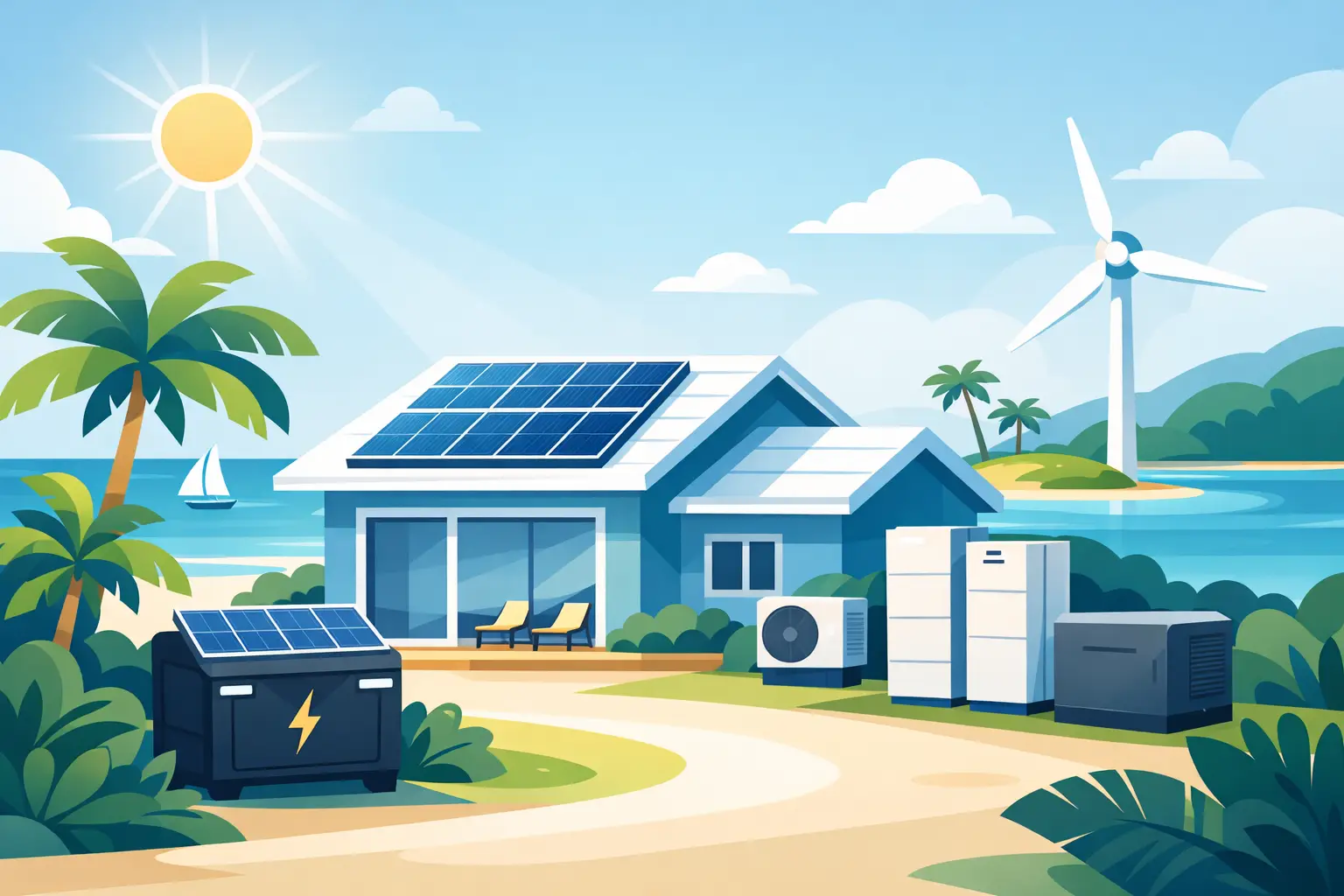
When the power drops in the middle of a hot night, nobody cares about buzzwords. You care about the fridge staying cold, the router staying on, the phones charging, and the lights coming back without a scramble. That is exactly why Bahamas solar backup solutions matter. In a place where storms, salt air, heat, and grid interruptions are part of real life, backup power needs to be built around reliability first.
For many households and businesses, the old approach was simple – buy a fuel generator and hope for the best. That still works in some cases, but it also brings noise, fuel storage, maintenance, fumes, and one more thing to worry about when a storm is already on the way. Solar backup changes that equation. With the right battery system, portable power station, or solar generator, you get stored energy when you need it and a cleaner way to recharge it when the sun is out.
Why Bahamas solar backup solutions are different
Backup power in island conditions is not the same as backup power anywhere else. The environment is harder on equipment. Heat can shorten battery life if systems are poorly designed. Humidity can expose weak seals and cheap components. Salt in the air speeds up corrosion. Hurricane season puts every power plan under pressure.
That means the right setup is not always the biggest one or the cheapest one. It is the one that matches your real risks and your daily needs. A condo owner who only wants to keep essentials running during outages needs a different solution than a small business that cannot afford downtime at the register, on security cameras, or with refrigerated stock.
The best systems are chosen with a simple question in mind – what absolutely must stay on, and for how long?
Start with the outage scenario, not the product
A lot of people shop backward. They start by looking at product names, battery sizes, or panel wattage before they define the actual job the system needs to do. A better approach is to think in terms of scenarios.
If your goal is short outage coverage, a portable power station may be enough to keep phones, laptops, lights, a fan, and internet equipment running. If your priority is overnight protection for a refrigerator, medical device, or home office, you may need a larger battery backup system with higher output and more stored energy. If you want more independence from the grid over multiple days, solar charging becomes much more important because it lets you replenish power without relying entirely on utility restoration or fuel deliveries.
This is where many Bahamas solar backup solutions prove their value. They are not just emergency devices. They can support daily living, reduce dependence on the grid, and give you more control over how your home or business handles interruptions.
Portable systems make sense for many homes
Portable power stations and foldable solar panels are often the smartest entry point because they solve immediate problems without requiring a full installation. For renters, apartment residents, boat owners, and people who want a backup system they can move from room to room, portability is a real advantage.
A good portable setup can cover communication, lighting, charging, small appliances, fans, and even some kitchen essentials depending on battery size and inverter capacity. It is also useful outside emergency use. The same unit can support work on the go, weekend trips, outdoor events, or remote areas where grid power is limited.
The trade-off is runtime. Portable systems are excellent for essential loads, but they are not usually meant to run central air conditioning or an entire house for long periods. For many buyers, that is not a drawback. It is a practical fit. Protect the essentials first, then decide later if you need to scale up.
Home battery backup is the next step up
For homeowners who want stronger coverage, home battery backup systems offer a more durable answer. These systems can be sized to support selected circuits or larger portions of the home, depending on budget and goals. During an outage, that can mean keeping refrigerators, lights, Wi-Fi, security systems, fans, and key outlets available without the noise of a conventional generator.
What makes this especially attractive in the Bahamas is the ability to pair battery storage with solar panels. Instead of waiting for the grid to return or depending only on stored power, your system can recharge during daylight hours. That extends your backup window and gives you a more resilient setup during prolonged outages.
Still, this is where honest planning matters. If you expect whole-home backup including heavy air conditioning loads, your system size and cost will increase fast. Some homeowners are better served by prioritizing critical circuits rather than trying to back up everything. That usually delivers better value and stronger reliability where it counts most.
Small businesses need continuity, not just convenience
For a small business, backup power is not a comfort upgrade. It protects revenue, customer trust, and daily operations. A short outage can interrupt card payments, spoil refrigerated goods, shut down internet-based systems, and force early closure.
That is why commercial buyers often benefit from a layered approach. A battery backup system can keep critical loads online immediately, while portable solar equipment adds flexible charging and mobility where needed. Offices may focus on networking, computers, and communications. Retail spaces may care more about checkout systems, lighting, and security. Property managers may prioritize gates, common-area lighting, and emergency communications.
The right answer depends on what failure costs you. In many cases, the most effective investment is not the most complex one. It is the setup that keeps the business functional during the kind of outage that actually happens most often.
What to look for in a system built for island use
Not all solar and backup gear is suited for coastal environments. Buyers should pay attention to durability as much as performance. Equipment should be able to handle high temperatures, repeated cycling, and storage in demanding conditions. Weather resistance matters for panels and any outdoor components. Battery chemistry matters too, especially for lifespan, safety, and performance over time.
Ease of use is another major factor. In an emergency, nobody wants to read a manual by flashlight. Clear displays, simple controls, reliable charging options, and straightforward expansion paths make a big difference. The system should be easy to deploy under pressure and dependable enough to sit ready when you need it.
Support also matters more than many people expect. Buying from a retailer that understands island conditions, product fit, and real backup use cases can save you from expensive mistakes. SOL242 positions its offerings around that reality – not as gadgets, but as practical backup tools for homes, businesses, and off-grid use.
Cost matters, but cheap power is expensive when it fails
It is natural to compare by price first. But backup power should be judged by reliability, runtime, recharge speed, and whether it truly covers your essential loads. A lower-priced system that cannot run what you need or cannot recover well after a long outage often turns out to be the more expensive choice.
A better way to think about value is this: what problem are you paying to solve? If you need to protect food, medication, work connectivity, and basic comfort during repeated outages, a properly sized battery and solar setup may deliver better long-term value than a bargain system that falls short in real conditions.
That does not mean everyone needs a premium whole-home package. It means buying enough system for the job, with room for the climate and the outage patterns you actually face.
The best time to prepare is before the forecast changes
Most people start shopping for backup power when a storm is already forming or after a frustrating outage. That is understandable, but it is not ideal. Good systems sell fast ahead of severe weather, and rushed decisions often lead to mismatched equipment.
A smarter move is to set your backup plan while the weather is calm. Think through your essential loads, how many hours of backup you want, and whether solar recharging should be part of the solution. If your needs are simple, a portable power station and solar panel may be enough. If your priorities are larger, a home battery backup system may be the stronger path.
Reliable power is not about chasing technology. It is about reducing stress when the grid is down and keeping life moving when conditions are not. The right backup system does exactly that – quietly, cleanly, and when it matters most.


