

How to Set Up Home Emergency Power for Outages
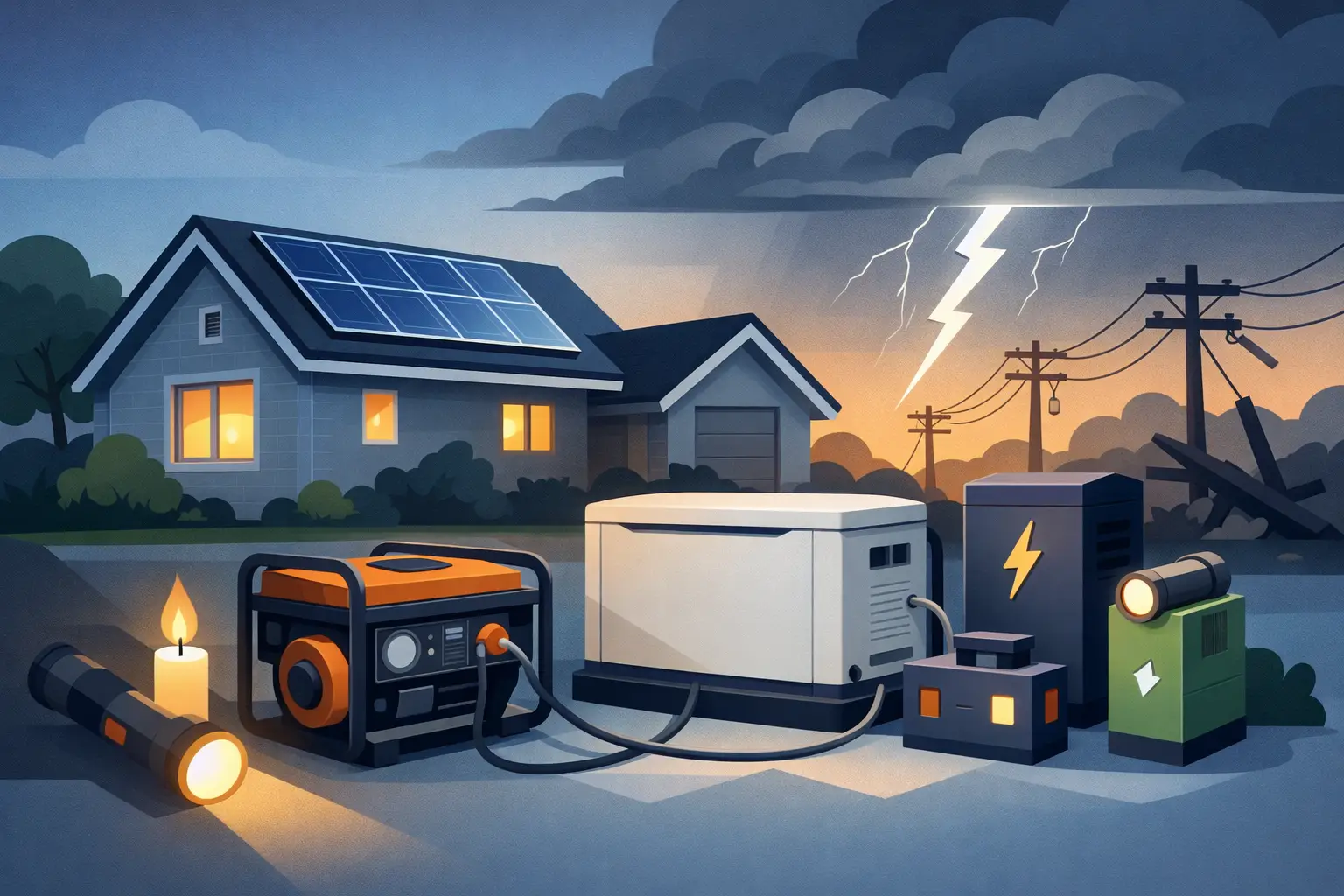
A power outage changes the priorities in a home quickly. The goal is not to run every appliance as usual. It is to keep food safe, lights on, phones charged, essential medical equipment operating, and your household informed until utility power returns. To set up home emergency power properly, start with the essentials you cannot afford to lose, then choose a battery and solar system sized for the way your family actually lives.
For households in the Bahamas, the best plan also accounts for hurricane season, intense heat, humidity, and the possibility that an outage lasts longer than a few hours. A dependable backup system turns preparation into a practical source of security.
Start With the Loads That Matter Most
A common mistake is buying backup equipment based on the largest number on the product box rather than the appliances that need power. Emergency power works best when it has a defined job.
Walk through your home and separate must-run items from comfort items. For most households, the first group includes a refrigerator or freezer, a few LED lights, phones, a Wi-Fi router, fans, a laptop, and possibly a medical device. A well pump, sump pump, CPAP machine, security system, or baby supplies may also be essential depending on your property.
Air conditioning, electric water heaters, clothes dryers, ovens, and central HVAC systems use far more power. They can be included in a larger whole-home battery plan, but they should not be assumed to work with a compact portable power station. Deciding this early prevents disappointment when the grid goes down.
Look at each appliance label for its wattage, or use a plug-in watt meter where appropriate. Then consider two separate numbers:
- Running watts are the power an appliance needs while it is operating.
- Starting watts are the brief extra surge certain appliances, especially refrigerators and pumps, need when turning on.
A refrigerator may use modest power after it starts, but its compressor can require a larger surge. Your backup inverter must handle that peak, not just the everyday running load.
Choose the Right Level of Backup
There is no single correct system for every property. The right choice depends on outage length, the appliances you need, available space, and whether you want a system that can move with you.
Portable Power for Essential Circuits and Devices
A portable power station is often the fastest way to prepare. It can power phones, lights, a router, small fans, laptops, a TV, and selected kitchen or medical equipment without fuel, exhaust, or the constant refueling of a conventional generator.
This option suits renters, apartment residents, boat owners, and households that need a flexible first layer of protection. During an outage, place the unit indoors in a dry, ventilated area and connect devices directly. A larger portable unit may also run a refrigerator intermittently, particularly when paired with solar charging.
The trade-off is capacity. Portable systems are designed around priority loads, not a full house of high-draw appliances. They are an excellent starting point, but not always the final answer for a large home.
Solar Generators for Longer Outages
A solar generator combines a battery power station with portable solar panels. The battery carries power through the evening and overnight, while the panels recharge it during daylight. In a sunny climate, that daily recharge can make a major difference when a storm-related outage stretches beyond one day.
Solar is not magic during severe weather. Panels produce less energy in heavy cloud cover and none at night. Still, a properly sized panel setup gives you a way to restore battery capacity without relying on fuel deliveries or an open gas station. That independence is especially valuable after a hurricane, when access to fuel may be limited.
For portable panels, choose a sunny location away from shade and secure them before conditions worsen. Do not leave panels outside during high winds or a storm. Store them safely, then deploy them once conditions are clear.
Home Battery Backup for Greater Coverage
A fixed home battery backup system is built for homeowners who want selected circuits, or potentially much of the home, protected automatically. These systems are typically connected through a transfer switch or dedicated backup panel by a qualified electrician.
This approach can support refrigerators, lighting, outlets, internet equipment, gates, security systems, and other designated loads without running extension cords through the house. With adequate battery capacity and solar generation, it can provide meaningful multi-day resilience.
The investment is higher, and system design matters more. A property with central air conditioning, multiple refrigerators, a pool pump, or electric cooking will need careful load management. Often, the smart answer is to back up essential circuits first and use high-demand equipment selectively rather than paying to power everything at once.
Size Your Battery for Hours, Not Just Appliances
Battery capacity is measured in watt-hours (Wh) or kilowatt-hours (kWh). A simple planning estimate is:
Watts used × hours of use = watt-hours needed
For example, a 100-watt fan running for 10 hours uses about 1,000Wh, or 1kWh. A 1,500Wh power station could run that fan, but it also needs to cover lights, phone charging, a router, and other loads. Real-world results vary because appliances cycle on and off and inverters use a small amount of energy themselves.
Instead of asking, “Will this run my house?” ask, “How long will this run my priority loads?” That question leads to a more useful system.
A practical target is enough stored energy for an overnight period, plus a plan to recharge the next day. If your priority loads average 300 watts, an 8-hour overnight outage requires roughly 2,400Wh before allowing for losses and a safety margin. A larger battery or expandable system gives you more breathing room, particularly if cloudy weather delays solar charging.
Set Up Home Emergency Power Safely
Backup power should make your home safer, not introduce new hazards. Keep portable batteries dry, away from direct sun, and clear of blocked vents. Heat shortens battery life, so avoid storing equipment in an unventilated shed, hot vehicle, or damp area.
Never connect a portable power station to a wall outlet to energize your home wiring. This can backfeed electricity into utility lines and create a serious risk for utility crews and your equipment. If you want battery power to run home circuits, use a properly installed transfer switch, power inlet, or backup panel designed for that purpose.
Extension cords should be heavy-duty, rated for the load, and placed where they will not become trip hazards or get wet. Avoid overloading a single outlet strip. For sensitive electronics, use the power station’s regulated AC outlets or USB ports rather than improvised connections.
Before hurricane season, charge batteries to the manufacturer’s recommended storage level, test every cable, and confirm that family members know how to operate the system. Keep appliance cords, adapters, flashlights, and panel connectors together in a clearly marked bin. During an outage is the wrong time to search for a missing cable.
Build a Plan That Works Before the Storm
The strongest emergency setup is layered. A smaller unit can keep communications and lighting running while a larger battery handles refrigeration and critical loads. Solar panels extend runtime in fair weather. A fixed home battery can protect the circuits that matter most without daily setup.
It also helps to reduce demand. Set the refrigerator and freezer colder before a forecasted storm, keep doors closed during the outage, use LED lighting, and charge devices during daylight when solar production is available. Small choices preserve stored energy for the equipment that cannot wait.
For a small business, rental property, or multi-family home, identify the loads that protect operations: internet service, point-of-sale equipment, exterior lighting, security cameras, pumps, or a designated refrigeration unit. The planning process is the same, but the cost of downtime may justify a larger system and professional installation.
SOL242 focuses on backup solutions that fit the realities of island living, from portable solar-ready power for essentials to expandable battery systems for longer outages. The best equipment is the equipment you understand, maintain, and can rely on when conditions are difficult.
Test It Like You Expect to Need It
Do not wait for the first outage to find out whether your battery can start the refrigerator or whether your solar panels are compatible with your charging input. Run a practice session every few months. Power your essential devices for several hours, monitor battery draw, and note what needs adjustment.
That test may show that your router uses less power than expected, while a pump or older refrigerator needs more startup capacity. It may also reveal simple improvements, such as adding a second solar panel, increasing battery storage, or moving a critical device to a dedicated backup circuit.
Preparedness is not about predicting the next outage. It is about knowing that when the lights go out, your household has a clear, safe way to stay connected, protected, and powered.


