

Best Backup Power for Apartments in an Outage
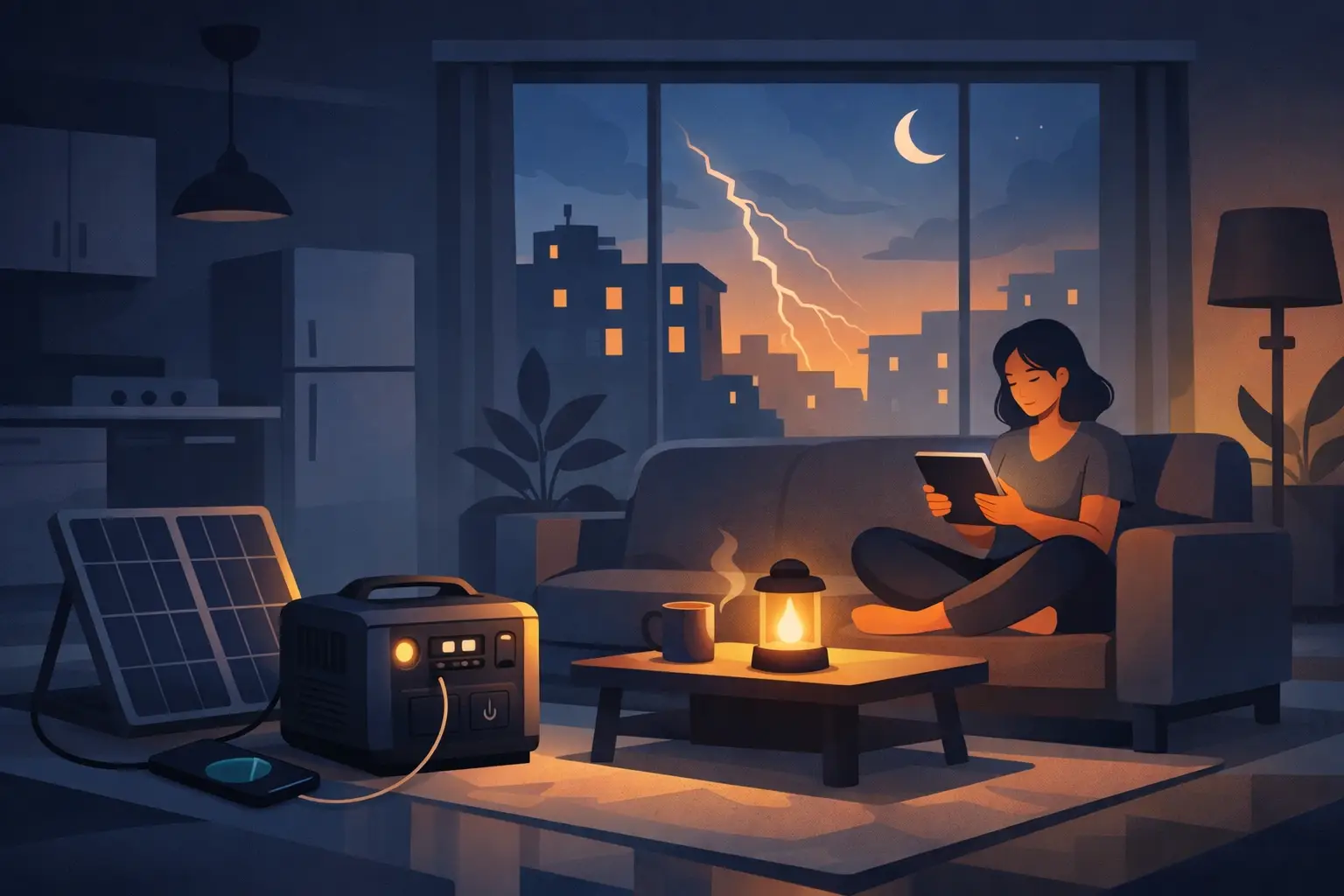
A power outage in an apartment creates a different problem than one in a house. You may not have room for a fuel generator, access to a private yard, or permission to alter the building electrical system. Still, you need a way to keep phones charged, protect refrigerated medicine, run a fan in the heat, and stay informed when the grid goes down. The best backup power for apartments is usually a portable battery power station sized around the essentials you cannot afford to lose.
For apartment residents in the Bahamas, the U.S., and other storm-prone areas, backup power is not a luxury purchase. It is a practical part of hurricane readiness. The right system gives you clean, quiet electricity indoors without the fumes, noise, and safety risks of a conventional gas generator.
Why Portable Power Stations Work in Apartments
A portable power station stores electricity in a rechargeable battery and delivers it through familiar AC wall outlets, USB ports, and often 12V vehicle-style ports. Unlike a gas generator, it produces no exhaust while operating. That makes it appropriate for indoor use when used according to the manufacturer’s instructions.
This matters in multi-unit buildings. Gasoline, propane, and diesel generators must never run inside an apartment, hallway, balcony enclosure, garage, or near windows and doors. Carbon monoxide can enter living spaces quickly, and many apartment buildings prohibit fuel storage or generator operation altogether. A battery power station avoids that issue while giving you immediate power for smaller loads.
It also fits the reality of apartment living. You can store one in a closet, roll a larger model near the kitchen during an outage, recharge it from a wall outlet, and bring it with you if you move. Pair it with portable solar panels, and you have a way to recharge during extended outages when utility power is unavailable.
The Best Backup Power for Apartments Starts With Your Loads
Do not start by shopping for the largest battery you can find. Start with the equipment you need to operate. Most apartment backup plans should prioritize communication, lighting, cooling, food safety, and medical needs before convenience items.
A phone, tablet, router, LED lamp, and small fan use far less power than a microwave, electric kettle, hot plate, hair dryer, or portable air conditioner. The more heating or cooling an appliance does, the faster it will drain a battery. Central air conditioning, electric stoves, water heaters, clothes dryers, and most full-size window AC units are generally beyond the practical reach of a portable power station.
Check the wattage label on every device you want to run. Then multiply watts by the number of hours you expect to use it. For example, a 40-watt fan used for eight hours needs about 320 watt-hours. A 10-watt router running for 12 hours needs about 120 watt-hours. Add a margin for inverter losses and unexpected use.
A compact battery in the 300 to 600 watt-hour range can cover phones, lights, a router, and a fan for a short outage. A 1,000 to 2,000 watt-hour unit is a stronger choice for overnight use, longer outages, or a small refrigerator alongside communication devices. If you need to support critical medical equipment, calculate its exact energy use and build in generous reserve capacity rather than relying on an estimate.
Capacity and output are not the same thing
Battery capacity is measured in watt-hours, or Wh. It tells you roughly how much energy is stored. Output is measured in watts, or W. It tells you how much power the station can deliver at one time.
Both numbers matter. A battery may have enough stored energy to run a refrigerator for several hours, but it must also have enough output to handle the refrigerator’s startup surge. Refrigerators, pumps, and compressors often pull extra power for a brief moment when they turn on. Choose a power station with an AC output rating comfortably above the appliance’s running wattage and surge requirement.
For a basic apartment emergency setup, look for a unit that can support at least 500 to 1,000 watts of continuous AC output. For a refrigerator, multiple fans, or a more complete outage kit, 1,500 watts or more offers more flexibility. Higher output does not replace capacity, but it prevents you from being limited by one demanding appliance.
Choose Battery Chemistry Built for Repeat Use
Lithium iron phosphate, often called LiFePO4 or LFP, is especially well suited to backup power. It is valued for long cycle life, thermal stability, and dependable performance over years of recharging. That makes it a strong option for residents who want to keep a system charged and ready through hurricane season, then use it again and again without treating it as a disposable emergency tool.
Heat and humidity are real concerns in island and coastal climates. Keep any battery station out of direct sun, away from standing water, and in a ventilated indoor location. Do not leave it in a hot vehicle or exposed on an open balcony. A durable unit helps, but careful storage protects battery life and keeps your emergency power ready when it matters.
Solar Charging Extends Your Outage Plan
A battery eventually runs down. Solar panels can turn a one-night backup solution into a more durable plan for a multi-day outage, provided you have usable sunlight and a safe place to set them up.
Portable solar panels are a practical match for apartments because they can be moved, folded, and stored when not in use. A sunny balcony, terrace, patio, or shared outdoor space may work, but building rules and weather conditions should guide where you use them. Never place panels where they can fall, block walkways, create a hazard for neighbors, or become unsecured during high winds.
Solar charging is not instant. Panel output changes with cloud cover, panel angle, shade, and heat. A 200-watt panel will not necessarily deliver 200 watts all day. Think of solar as a way to refill essential power over time, not as a replacement for careful energy use. During an extended outage, use the battery for priority loads, charge it during daylight, and avoid draining it on high-wattage appliances.
Match Your System to the Outage You Expect
A small power station makes sense if your main goal is keeping phones, lights, a fan, and a router running through occasional outages. It is easy to store and affordable enough to be a first layer of preparedness.
A medium or large power station is better for households that need refrigerator support, CPAP power, several fans, work devices, or longer coverage after a storm. It is heavier and costs more, but the added capacity can reduce the stress of losing power overnight.
A larger expandable battery system may be worth considering if you have a ground-floor unit, a private patio, a permitted outdoor solar setup, or critical equipment that cannot go without power. However, apartment residents should confirm lease restrictions, electrical limitations, and emergency access rules before choosing equipment that requires permanent installation or a transfer switch.
For most renters, portability is an advantage. You are not tied to the building, and your power investment can move with you. SOL242 focuses on portable solar and battery options that help households prepare for outages without depending on fuel delivery or permanent construction.
Practical Apartment Backup Safety
Store your power station charged according to its manual and test it before storm season. Practice connecting your refrigerator, fan, router, and phone chargers so you know what works before an outage becomes urgent. Keep extension cords short, rated for the load, and positioned where they will not create a trip hazard.
Avoid plugging one power strip into another, overloading outlets, or trying to power your apartment through a wall outlet. That kind of backfeeding can injure utility workers and damage equipment. If your building has a shared generator or emergency power policy, understand what it covers and what it does not. Hallway lights may stay on while your own outlets remain off.
Most of all, keep your backup plan focused. A well-sized battery station that reliably powers a refrigerator, fan, lights, and communication devices is more valuable than an oversized wish list that drains the battery in an hour.
When the next outage arrives, the goal is not to recreate every convenience of normal grid power. It is to keep your household safe, connected, cooler, and prepared until the lights come back on.


