

Best Portable Solar Panels for Camping That Last
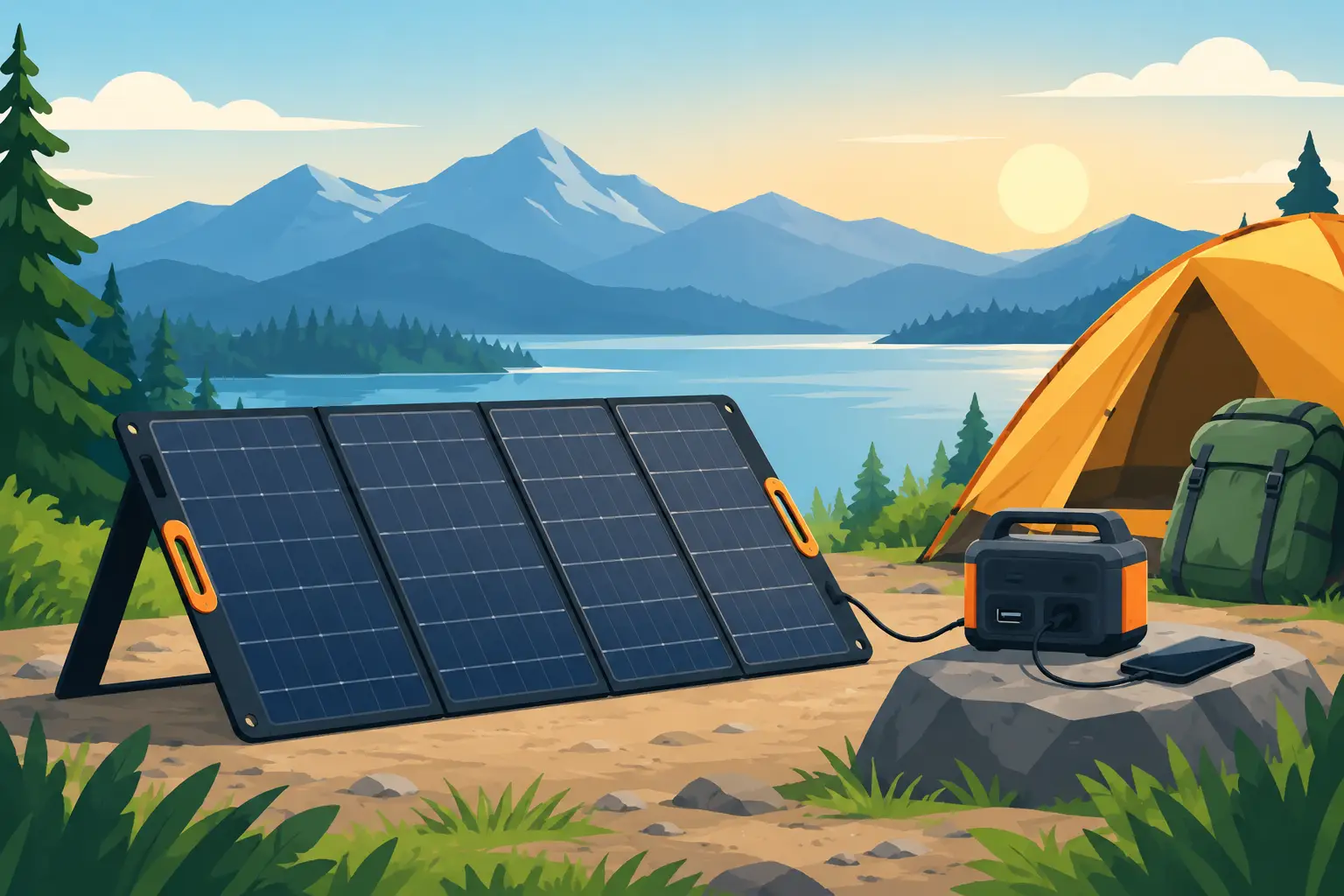
A dead power station can turn a well-planned campsite into a hot, dark, inconvenient night. Choosing the best portable solar panels for camping is not about buying the highest wattage panel you can find. It is about matching your panel, battery, and real power needs so you can keep essential gear running when there is no outlet nearby.
For campers in the Bahamas, coastal U.S. areas, and other sunny climates, that decision also needs to account for heat, humidity, wind, salt air, and fast-changing weather. A panel that performs well in mild conditions may not be the right choice for repeated use near the coast or during an extended off-grid stay.
What Makes the Best Portable Solar Panels for Camping?
The right portable panel produces dependable energy, packs without becoming a burden, and connects easily to the power station or battery you already own. Those three requirements matter more than flashy specifications.
Start with power output. Portable solar panels are commonly sold in ranges from about 60 watts to 400 watts. A 60W or 100W panel can be enough for phones, lights, a small fan, and modest battery top-ups. A 200W panel offers a more capable middle ground for a weekend camp setup, especially when paired with a mid-size portable power station. For a family camp, extended off-grid trip, or equipment that includes a cooler, multiple fans, cameras, or a laptop, 300W to 400W of portable solar capacity may be the better fit.
Rated wattage is measured under ideal lab conditions. At camp, output changes with cloud cover, panel angle, heat, shading, and the time of day. A 200W panel will not necessarily deliver 200 watts all afternoon. Plan for useful real-world production rather than relying on the number printed on the box.
Portability is the second factor. Folding panels work well for campers who drive to a site and have room to carry a larger setup. Smaller suitcase-style panels can be simpler to move, position, and store. If you hike into camp, even a powerful folding panel may be too heavy or bulky to justify. In that case, a compact panel and modest battery may serve you better.
Durability is the third. Look for a solid frame or reinforced fabric construction, dependable kickstands, protected cable connections, and weather-resistant materials. Water resistance is helpful, but it does not mean a panel should sit exposed in heavy rain or standing water. Camping solar equipment lasts longer when it is packed away before a storm and dried after use.
Size Your Solar Panel Around What You Actually Use
Before buying a panel, write down the devices you intend to power and estimate how long they will run. This keeps you from paying for capacity you will not use or, worse, arriving with a system that cannot keep up.
A phone may need roughly 10 to 20 watt-hours for a full charge. A laptop can use 50 to 100 watt-hours or more, depending on the model and workload. LED lanterns use very little energy, while a portable refrigerator, CPAP machine, drone charger, or electric cooking appliance can change the entire equation.
Suppose your daily use is about 500 watt-hours: a few phone charges, a laptop, lights, and a fan. A 100W panel may replace some of that energy on a clear day, but it may struggle if the panel is shaded or if the battery starts low. A 200W panel gives you a more comfortable margin. If you expect clouds, short winter days, or high daily consumption, adding panel capacity is usually more effective than hoping for perfect sunlight.
Your power station matters just as much. Check its solar input limit before selecting a panel. If your power station can only accept 100W of solar input, connecting a much larger compatible panel may not give you the benefit you expect. Also confirm the connector type, voltage range, and maximum input current. Compatibility is not a detail to solve at the campsite.
Monocrystalline Panels Are Usually the Strong Camping Choice
For portable camping use, monocrystalline solar panels are generally the practical choice. They tend to provide stronger output for their size than older panel types, which matters when vehicle space and setup area are limited.
Rigid portable panels often offer excellent efficiency and a stable surface, but they take up more room. Flexible panels can be lighter and easier to store, yet they may require more careful handling and may not have the same long-term durability as a framed panel. Folding panels sit in the middle: they are easy to transport, quick to deploy, and well suited to portable power stations.
There is no single winner for every camper. A compact 100W folding panel is a smart choice for occasional overnight trips. A 200W or 400W folding setup is more appropriate when backup power is part of your camping plan, not just a convenience.
Set Up for Sun, Not Just for Convenience
A solar panel placed flat on the ground beside the tent may charge, but it is rarely operating at its best. Position the panel where it gets direct sunlight and adjust its angle as the sun moves. Even small changes can improve charging performance over a full day.
Shade is the fastest way to reduce output. A branch shadow across one section of a panel can have a larger impact than many campers expect. Keep the panel clear of tents, vehicles, coolers, chairs, and overhead trees. If your campsite is heavily wooded, solar may still be useful, but you should bring enough stored battery capacity to cover periods of weak charging.
Heat requires attention too. Solar panels need sunshine, but extreme heat can reduce efficiency. Give the panel airflow where possible rather than laying it on hot pavement, sand, or a vehicle hood for hours. In coastal locations, wipe away salt spray and dust with a soft, damp cloth after use. Clean panel surfaces capture more light and help protect the equipment over time.
Protect Your Power Equipment From Camp Conditions
Portable solar is built for outdoor use, but camping adds risks that indoor backup systems do not face. Wind can catch a folding panel like a sail. Use stakes, sandbags, or another secure method when conditions are breezy, and never leave panels unattended in gusty weather.
Keep your portable power station dry, shaded, and off the ground. The panel can remain in direct sun, but the battery should not bake beside it. Heat can affect battery performance and shorten its service life. Route cables so they are not pulled tight, stepped on, or pinched in vehicle doors.
For island campers and boat-accessible sites, salt air deserves extra care. Do not leave connectors exposed when not in use. Check cables for corrosion, rinse away salt residue with fresh water only when equipment is disconnected and safe to clean, then allow everything to dry fully before packing it away.
A Practical Camping Solar Setup
For most campers, a simple system is easier to rely on than a complicated collection of adapters and separate components. A portable power station with an integrated charge controller, paired with a compatible folding solar panel, gives you battery storage, regulated solar charging, AC outlets, USB ports, and DC power in one manageable setup.
A smaller setup might include a 100W panel and a compact power station for lights, phones, and cameras. A more capable setup could use a 200W panel with a larger battery for fans, laptops, communications gear, and a small cooler. If your camp is part of a hurricane-season evacuation plan or a longer off-grid stay, choose enough battery capacity to get through a full night, then use solar to recharge during daylight.
At SOL242, the focus is on equipment that supports real energy independence, whether you are camping for a weekend or preparing for an outage at home. The same habits apply in both situations: know your load, protect your battery, and give your panels the clear sun they need.
When More Solar Is Worth Carrying
Extra panel capacity is worth it when you need reliable recovery after using power overnight. It is also valuable when the weather is uncertain, your campsite has partial shade, or several people are charging devices from one battery.
The trade-off is weight, storage space, and setup time. A larger panel may provide more energy, but only if you can transport it, deploy it safely, and keep it in the sun. For vehicle camping, that trade-off often makes sense. For a short hike to a remote campsite, a lighter setup and disciplined energy use may be the smarter choice.
Camp power should make the trip safer and more comfortable, not add another problem to manage. Choose a solar panel that fits your actual gear, secure it against the weather, and test the full setup before you leave home. When the sun is your power source, preparation is what keeps the lights on after dark.


