
How to Prepare Your Home for the 2026 Hurricane Season
As the shadow of Hurricane Helene still lingers, the storms of 2025 are already on the horizon. Hurricane Helene, a

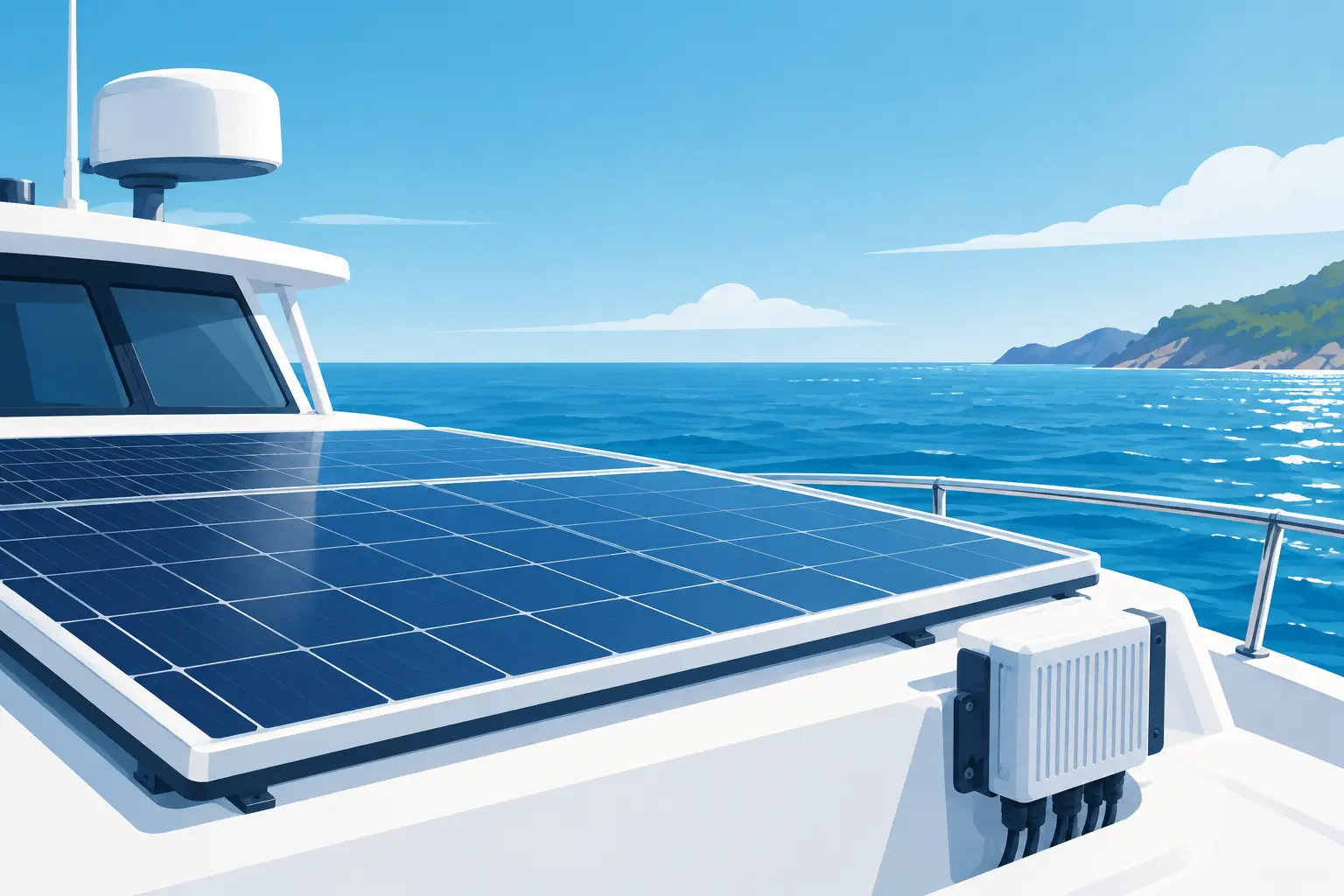
A solar setup that performs well in a dry inland climate can fail early near the coast. Salt settles on panel frames and electrical connections. Humidity works its way into weak enclosures. Intense heat lowers output when you need power most. For homeowners, businesses, and boat owners facing these conditions, marine climate solar equipment is not a specialty purchase. It is the difference between dependable backup power and equipment that becomes a costly weak point.
In The Bahamas and other coastal areas, solar equipment has to do more than collect sunlight. It has to stay reliable through long, hot days, sudden downpours, salt air, and the pressure of hurricane season. That calls for smarter product selection, careful placement, and a backup plan built around the loads you truly need.
Coastal solar systems face a combination of stress that is easy to underestimate. Salt mist is highly corrosive, even when a property is not directly on the shoreline. It can attack exposed fasteners, terminals, mounting hardware, and connector contacts. Humidity adds another problem: condensation. Once moisture gets inside poorly sealed electronics, corrosion and short circuits can follow.
Heat is equally relevant. Solar panels produce electricity in bright sun, but their efficiency drops as panel temperatures climb. Portable power stations and batteries also have operating temperature limits. Leaving either in a closed shed, vehicle, or direct afternoon sun can reduce performance and shorten service life.
Storms raise the stakes. Wind can turn an unsecured portable panel into a hazard, while water intrusion can damage charging equipment at the moment backup power matters most. The goal is not to assume any system is hurricane-proof. The goal is to choose equipment with sensible protections and use it in a way that reduces exposure.
Before comparing panel wattage or battery capacity, identify the equipment that needs to remain on during an outage. For a household, that may include a refrigerator, lights, internet equipment, phones, fans, and a medical device. A small business may prioritize point-of-sale equipment, communications, security cameras, a router, and a small refrigerator or freezer.
This step prevents two common mistakes: buying a battery that cannot support the essentials, or overspending on a system sized for every appliance in the building. Air conditioning, electric water heaters, dryers, and full-size kitchen ranges require significant power. They may be part of a larger home battery design, but they are usually not practical targets for a compact portable station.
Look at both wattage and runtime. Wattage tells you whether the power station can run an appliance at all. Watt-hours estimate how long it can run it. A 1,000Wh battery will not deliver a full 1,000Wh of usable AC power after conversion losses, so leave room in your calculations. More importantly, plan for recharge. A battery that lasts overnight but cannot be restored efficiently the next day is only a partial solution.
The best solar setup is often a mix of durable components and practical habits. For portable use, select solar panels with weather-resistant construction, protected output cables, and sturdy folding or kickstand designs. A panel may be rated for rain, but that does not mean its connector ends should sit in standing water or remain exposed outside through a severe storm.
For a fixed installation, corrosion-resistant mounting hardware matters as much as the panel itself. Aluminum rails and properly rated stainless-steel hardware are common choices, but grades and installation quality vary. Avoid mixed metals where possible, since dissimilar materials can accelerate corrosion in salty conditions. A qualified installer can assess roof structure, wind exposure, grounding, and local code requirements.
Battery chemistry also deserves attention. Lithium iron phosphate, commonly called LiFePO4, is a strong option for many backup power applications because it offers long cycle life and good thermal stability. It is not invulnerable to heat, however. Store portable power stations in a dry, ventilated indoor area whenever possible, and follow the manufacturer’s charging and storage temperature guidance.
Weather resistance ratings can help compare products, but read them carefully. An enclosure rating may apply to the main unit, not every cable, outlet, accessory, or connection point. It is also not a promise that equipment can operate submerged, left in flooding rain, or exposed to driving salt spray indefinitely.
Portable panels and solar generators are particularly useful for storm preparedness because they can be stored safely inside before dangerous weather arrives. Once conditions clear, they can be deployed to recharge a power station for lights, communication devices, refrigeration, and other priority loads.
That flexibility is valuable for renters, apartment residents, boaters, and families who do not want a permanent rooftop system. It also lets you move the panel throughout the day to find the best sun, which can improve production when shade from trees, rooflines, or nearby buildings changes.
Still, portability comes with trade-offs. A portable panel requires setup and supervision. It can be damaged by wind if it is not anchored or brought in promptly. It may also deliver less energy than a larger fixed array. For many households, the practical answer is not one or the other. A permanent home battery system can cover priority circuits automatically, while a portable station provides a second layer of power for a bedroom, a detached space, a vehicle, or an evacuation plan.
Solar panels get most of the attention, but cables, connectors, adapters, and mounting points are frequently where coastal conditions cause trouble. Keep electrical connections off the ground and away from puddles. Inspect cables for cracks, stiffness, discoloration, or damaged insulation. Check connector seals and confirm plugs fit firmly without forcing them.
A simple maintenance routine goes a long way. Rinse salt residue from panels and exposed mounting hardware with fresh water when conditions allow. Do not use abrasive tools that can scratch glass or protective coatings. Clear leaves and debris that trap moisture beneath panels, and inspect mounting hardware after major weather events.
For portable power stations, keep air vents clear and avoid covering the unit while it is charging or delivering high output. Use the supplied or correctly rated charging cables. Cheap adapters and improvised wiring may seem convenient, but poor connections create heat and increase the risk of damaged ports or equipment.
A useful backup plan answers practical questions before the power goes out. Where will the power station sit? Which appliances will be connected first? How will you recharge it if clouds linger for a day or two? Who in the household knows how to operate it safely?
For short outages, a modest solar generator may be enough to keep communications, lighting, and a refrigerator running selectively. For repeated outages or a home with critical loads, a larger battery backup system with dedicated circuits provides more convenience and capacity. Property managers may need multiple smaller units for communications and access control rather than one large system concentrated in a single location.
There is no single right system size. A vacation property used occasionally has different needs from a year-round family home, a marina office, or a small shop that loses revenue when the card reader and internet go down. The best choice matches your priority loads, expected outage length, storage space, and ability to maintain the equipment.
Solar equipment should be part of storm preparation, not an item you scramble to understand after the grid fails. Test your power station quarterly. Run the devices you plan to rely on, confirm solar charging works, and keep a written list of priority loads nearby. If a storm is approaching, fully charge batteries early and bring portable panels indoors before winds increase.
SOL242 focuses on solar and battery solutions that support this kind of practical readiness: power you can use for everyday savings, then depend on when conditions become uncertain.
The sun is one of the most reliable resources available in a coastal climate. Treat your solar equipment with the same respect you give any essential emergency tool – select it for the environment, maintain it consistently, and have it ready well before you need it.
As the shadow of Hurricane Helene still lingers, the storms of 2025 are already on the horizon. Hurricane Helene, a
The Bahamas: turquoise waters, sun-kissed beaches, gentle trade winds, and a relaxed pace of life. It’s one of the most

The Bahamas is blessed with sunshine almost all year round, making it one of the best places on earth to
All rights reserved sol1242.com © 2025


