How to Prepare Your Home for the 2026 Hurricane Season
As the shadow of Hurricane Helene still lingers, the storms of 2025 are already on the horizon. Hurricane Helene, a

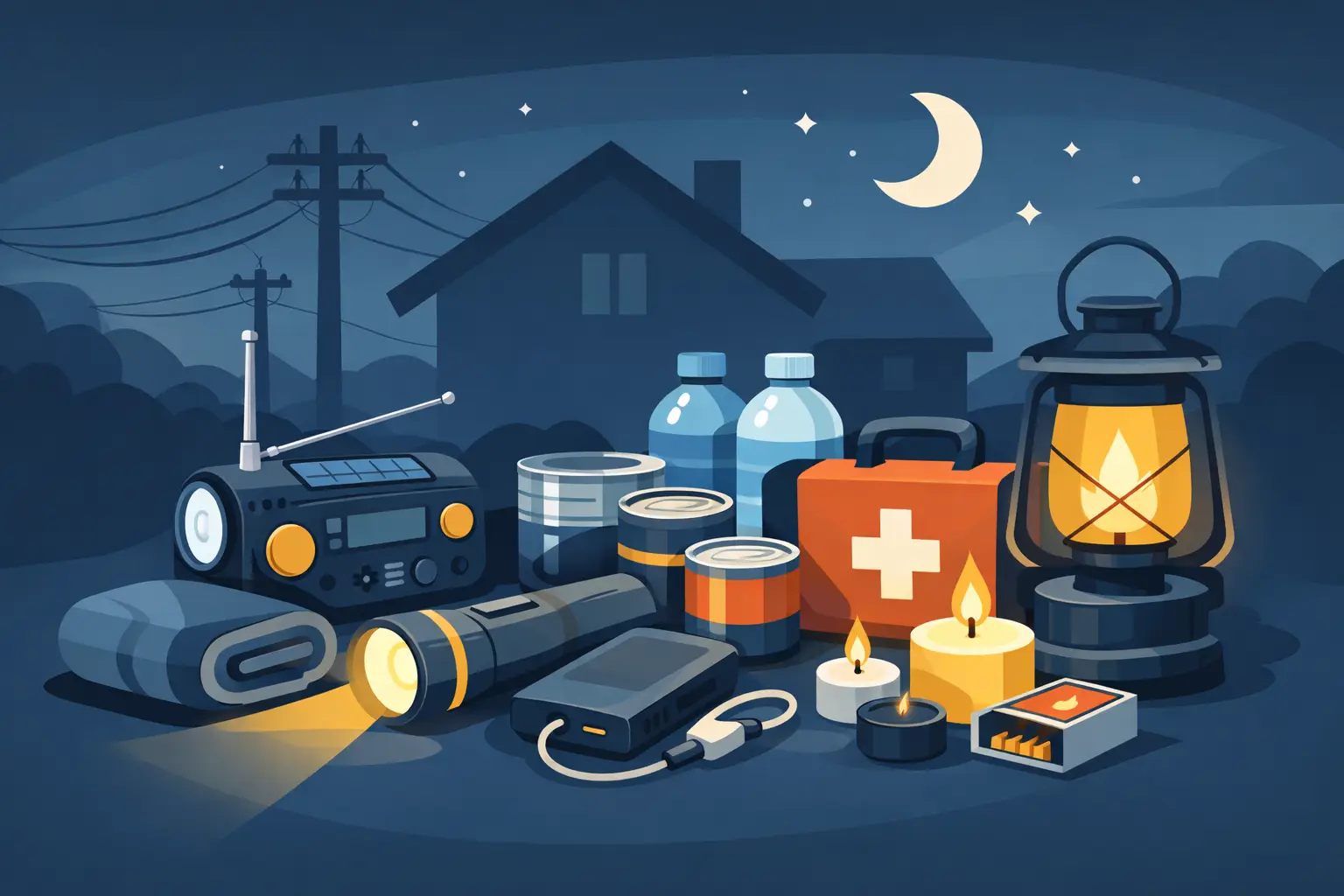
The difference between a manageable outage and a difficult one often becomes clear in the first hour: the refrigerator starts warming, phones lose charge, and there is no clear answer to when power will return. Blackout essentials for homeowners are not about buying every emergency gadget available. They are about protecting the basics your household depends on most: light, water, food, communication, comfort, and a safe source of backup power.
For homeowners in the Bahamas, the stakes can rise quickly during hurricane season, when an outage may last far longer than an afternoon. The same is true for coastal and storm-prone communities across the United States. A practical plan gives your family options before the grid goes down, not after store shelves are empty.
Start by deciding what must stay powered. For most homes, that means phones, lights, a router, fans, a refrigerator, medical equipment, and possibly a small cooking appliance. It usually does not mean trying to run central air conditioning, an electric water heater, or every appliance in the house from a small backup unit.
This distinction matters because backup power is sized by what you need to run and for how long. A compact portable power station can keep phones, lamps, a modem, and a fan running overnight. A larger solar generator can support a refrigerator, freezer, multiple fans, and key electronics. For extended outages or whole-home coverage, a home battery backup system can keep selected circuits operating without the noise, fuel storage, and fumes of a conventional generator.
Make a short list of your critical loads and check each device’s wattage label. Add up the appliances you may run at the same time, then consider runtime. A refrigerator may not draw power constantly, but its startup demand can be higher than its normal running demand. Medical devices and sump pumps may have non-negotiable power requirements. When in doubt, choose capacity with room to spare rather than planning around the smallest possible system.
Battery backup is the center of a modern blackout plan. It provides quiet electricity indoors, starts quickly, and can be recharged from wall power, solar panels, or in some cases a vehicle or generator. Unlike fuel-powered equipment, it does not require ventilation while operating, which makes it especially useful at night and during heavy rain.
The right option depends on your household. A renter or homeowner preparing for short outages may be well served by a portable power station. A family that needs to keep food cold, maintain internet access, or support remote work will likely benefit from a larger solar generator setup. If outages are frequent or you want priority circuits protected automatically, a professionally planned home battery system is the stronger long-term investment.
Battery capacity is measured in watt-hours, while output is measured in watts. Capacity tells you roughly how much stored energy you have. Output tells you whether the unit can run a particular appliance. Both numbers matter. A large-capacity battery with insufficient output may not start a refrigerator, while a high-output unit with limited capacity may not run it for long.
A fully charged battery is valuable, but eventually it needs recharging. Portable solar panels turn available sunlight into a reliable refill option when the grid is unavailable and fuel deliveries are disrupted. That is a major advantage for island homes and areas where storm recovery can delay normal supply chains.
Solar is not an instant solution after every storm. Panels need safe conditions, direct daylight, and an outdoor placement away from standing water, debris, and high winds. Do not set up portable panels while dangerous weather is still active. Once conditions are safe, position them where they can receive strong sun and secure cables so they do not create a trip hazard.
The trade-off is weather. Cloud cover and shade reduce production, so solar charging may take longer than expected. Still, a solar-ready battery system gives you a repeatable way to extend power for phones, lights, fans, and other essentials without depending entirely on a finite fuel supply.
Every room needs a safe light source. Flashlights are useful for moving around, but rechargeable lanterns are better for lighting a kitchen, bathroom, hallway, or sleeping area. Headlamps are especially practical because they leave both hands free for cooking, repairs, or checking a breaker panel.
Keep lights in predictable locations, not packed away in an emergency bin that no one can find in the dark. Rechargeable models can be topped up from your backup battery, while battery-powered models should have fresh spare batteries stored nearby. Candles may feel familiar, but open flames are a poor choice around children, pets, curtains, and storm-related clutter.
Power outages can affect more than lighting. In some homes, they interrupt water pumps or reduce access to safe water. Store drinking water before a storm season starts, and include enough for pets as well as people. Keep additional water available for handwashing, basic cleaning, and toilet flushing if local service is disrupted.
Water is one of the least expensive blackout essentials, yet it is often overlooked because it is always there until it is not. Rotate stored containers periodically, keep them out of direct sun, and use food-safe containers with secure lids. If your home relies on an electric well pump, treat water storage as a priority rather than an extra.
Plan food around the reality of an outage. Shelf-stable meals, canned goods, crackers, nut butter, and ready-to-eat snacks reduce the need to open the refrigerator repeatedly. A manual can opener belongs in the same place as the food, not in a drawer you may be searching through with a flashlight.
A battery backup can support a refrigerator, but preserving cold air still matters. Keep refrigerator and freezer doors closed as much as possible. Freeze ice packs or water containers ahead of time to help hold temperatures longer. If your backup system has enough capacity, run the refrigerator strategically rather than treating it like unlimited utility power.
A charged phone is your connection to family, weather alerts, emergency services, and outage updates. Keep charging cables with your power station and consider a dedicated battery bank for each household member. If cellular service is congested, text messages may go through more reliably than calls.
A battery-powered or hand-crank weather radio adds another layer of readiness, especially when internet service is down. For homes where internet access supports work, school, security cameras, or communication, powering a modem and router can be a high-value use of your battery capacity. Check your equipment beforehand, since some providers’ neighborhood infrastructure may still be offline even when your home network has power.
Heat and humidity can make a blackout exhausting, particularly after a storm when windows may need to remain closed or repairs are underway. Energy-efficient fans use far less power than air conditioning and can make a meaningful difference in a closed room. Prioritize sleeping areas, children, older adults, and anyone with health conditions affected by heat.
This is where realistic expectations protect your backup plan. Most portable power stations are not intended to run central AC for extended periods. Use shade, ventilation when safe, cool showers, lightweight bedding, and targeted fan use to stretch your stored energy. A larger battery system can support more comfort, but every high-draw appliance shortens runtime.
Backup power only helps when it is ready and used correctly. Charge your power station before severe weather is expected, test its outlets, and make sure every person in the home knows how to turn on basic lights and charge a phone. Store equipment in a dry, accessible indoor location away from extreme heat and direct sun.
Never run a fuel generator indoors, in a garage, or near windows and doors. Carbon monoxide is odorless and dangerous. If you use one outdoors, follow its clearance requirements, protect it from rain according to the manufacturer’s instructions, and use heavy-duty cords rated for the load. Never connect a generator directly to household wiring without a properly installed transfer switch.
Power is only one part of preparedness. Keep a clearly labeled kit that can be reached quickly, even if a room is dark or cluttered after a storm. The contents should reflect your household, but these items cover the most common needs:
Check the kit twice a year. Replace expired medications, rotate food and water, and update contacts. Preparation works best when it is maintained, not when it is purchased once and forgotten.
The most capable backup equipment cannot replace a clear plan. Decide where your family will gather, who checks on relatives or neighbors, how you will protect refrigerated food, and which devices receive power first. Write the plan down. During an outage, people should not have to remember wattages, phone numbers, or where supplies were stored.
SOL242 helps homeowners build practical backup power setups designed for the heat, humidity, and storm exposure that come with island living. The goal is not simply to own a battery or solar panel. It is to have dependable energy available when the grid cannot be.
Start with the outage you are most likely to face, then build from there. One well-chosen power station, solar charging option, and organized emergency kit can turn a stressful blackout into a household that stays safe, connected, and ready for the next day.
As the shadow of Hurricane Helene still lingers, the storms of 2025 are already on the horizon. Hurricane Helene, a
The Bahamas: turquoise waters, sun-kissed beaches, gentle trade winds, and a relaxed pace of life. It’s one of the most

The Bahamas is blessed with sunshine almost all year round, making it one of the best places on earth to
All rights reserved sol1242.com © 2025


