
How to Prepare Your Home for the 2026 Hurricane Season
As the shadow of Hurricane Helene still lingers, the storms of 2025 are already on the horizon. Hurricane Helene, a

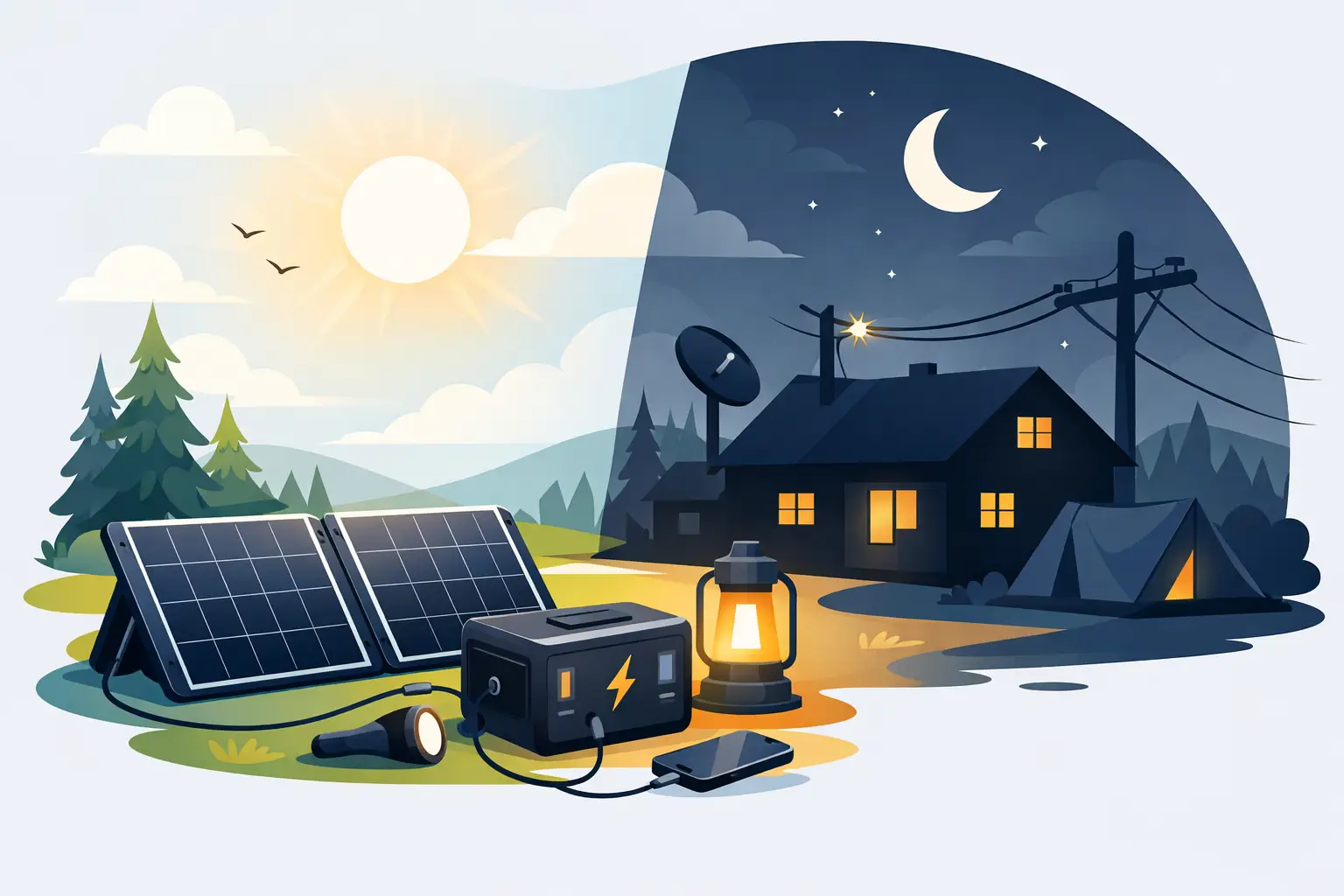
A portable solar panel can keep the essentials running when the grid is down, but only if it is paired, placed, and protected correctly. Learning how to use portable solar panels before hurricane season or the next unexpected outage gives you more than charging power – it gives your household or business a practical backup plan.
For most homes, the job is simple: use the panel to recharge a compatible portable power station, then use that stored energy for phones, lights, a router, fans, medical devices, or other priority loads. The key is to size your equipment realistically and make charging part of your preparedness routine.
Portable solar panels do not usually power high-demand appliances directly. They capture sunlight and send it to a portable power station, solar generator, or battery system that stores the energy for later use. That battery provides stable electricity through AC outlets, USB ports, and DC outputs.
Before connecting anything, confirm that your panel and power station are compatible. Check the power station’s solar input range, including its maximum voltage, current, and wattage. A panel that produces more voltage than the station accepts can damage equipment. A panel with lower output will generally be safe, but charging will be slower.
A 100-watt portable panel can be a sensible starting point for keeping small devices charged. A larger 200-watt or 400-watt panel is better suited to faster battery charging and more frequent use during extended outages. Actual output changes with cloud cover, panel angle, heat, shading, and the time of day, so do not plan as if a 200-watt panel will deliver 200 watts every hour.
For storm readiness, consider your battery capacity alongside panel size. A large panel cannot make up for a power station that is too small to run the devices you need. Likewise, a large battery without enough solar input may take too long to recharge after a long night of use.
Set up your portable panel in direct sunlight, with the face of the panel aimed toward the brightest part of the sky. In the Bahamas and much of the southern United States, the sun is often intense, which is excellent for solar production but also makes placement and heat management matter.
Unfold the panel fully and use its built-in kickstands or a stable support to hold it at an angle. Adjust the angle during the day when possible. A panel pointed more directly at the sun will produce more energy than one lying flat, especially in the morning and late afternoon.
Connect the panel to the power station using the correct cable and adapter. Many panels use MC4 connectors, while portable power stations may require a dedicated input cable. Connect firmly, keep connectors clean and dry, and avoid forcing mismatched fittings. Once connected, check the power station display to confirm that solar charging has started.
Keep the battery or power station in a shaded, dry, well-ventilated location while it charges. The panel belongs in the sun. The battery does not. Excessive heat can reduce charging performance and shorten battery life, particularly in humid coastal conditions.
Never place a portable solar panel outside in unsafe weather. Despite their rugged construction, portable panels are not a substitute for permanent hurricane-rated solar installations. Bring them inside before heavy rain, strong winds, salt spray, or a storm system arrives. After the weather passes, inspect the panel, cable, connectors, and kickstands before putting it back into service.
During an outage, backup power should be assigned by priority, not convenience. Start with the items that protect communication, safety, comfort, and essential work.
For many households, that means charging phones, powering LED lights, running an internet router, operating a fan, and keeping a laptop available. Small business owners may prioritize a point-of-sale device, communications equipment, a modem, or basic lighting. If someone relies on a medical device, consult the device manufacturer and a qualified professional to confirm the appropriate backup-power requirements.
Large appliances demand much more energy. Refrigerators, freezers, pumps, air conditioners, microwaves, hot plates, and power tools can drain a portable power station quickly. Some may also require a high starting surge that exceeds the station’s output rating. Check both the appliance’s running wattage and surge wattage before relying on your system.
A simple planning habit helps: look at the wattage label on each device and estimate how many hours you expect to use it. A 10-watt LED light used for five hours needs far less energy than a 1,000-watt microwave used for a few minutes. Knowing the difference prevents unpleasant surprises after sunset.
Solar power works best when you use daylight strategically. In the morning, put the panel out early and recharge the power station before your household begins drawing heavily from it. During the strongest midday sun, limit unnecessary battery use so more incoming solar power can refill your stored reserve.
At night, use the battery for critical loads only. Turn off unused outlets and devices, lower screen brightness, and avoid leaving chargers connected after equipment is full. These small choices can stretch backup power through the night and leave room for the next day’s solar recharge.
If your power station supports pass-through charging, you may be able to run low-demand devices while solar power is coming in. This is useful for charging phones or operating a router during the day. Still, the total output demand should not exceed what the system can safely handle, and the battery may charge slowly if your devices are consuming most of the incoming energy.
For a longer outage, rotate your usage. Charge communications devices during peak sun, run a fan when heat is most uncomfortable, and reserve energy overnight for lighting and essential needs. Reliable backup power is often less about running everything and more about keeping the right things available when they matter.
Shade is one of the biggest causes of poor performance. Even partial shade from a roof edge, palm frond, railing, or parked vehicle can significantly reduce output. Move the panel as the sun changes position and keep its surface clear of dust, leaves, and salt residue.
Do not leave the panel folded or partly covered while expecting full production. Do not run cables where they can be stepped on, pinched in a door, or exposed to standing water. And do not assume any panel is waterproof simply because it is designed for outdoor use. Follow the product’s weather rating and storage instructions.
Series and parallel connections require extra care when using more than one panel. Connecting panels in series increases voltage. Connecting them in parallel increases current. Either option can be useful, but only when the combined electrical specifications remain within the power station’s accepted solar input range. If you are unsure, use a single compatible panel or get guidance before expanding the system.
A portable solar setup is only dependable if it is ready before an outage begins. Test your panel and power station every few months. Charge the battery to the storage level recommended by its manufacturer, update firmware when applicable, and verify that cables and adapters are present and undamaged.
Store panels indoors in a dry area, away from direct sun and salt air when not in use. Wipe the panel surface with a soft cloth after outdoor use, especially near the coast. Inspect connectors for corrosion or moisture, and replace damaged cables promptly.
Keep your solar equipment together with your outage supplies: flashlights, charging cables, extension cords rated for the intended load, batteries, and a written list of priority devices. When a storm watch is issued, you should be preparing equipment, not searching for adapters.
SOL242 customers often choose portable solar panels because they offer a flexible first layer of resilience. You can use them for everyday outdoor power, take them to a remote property, and depend on them to recharge backup batteries when utility service is interrupted.
The best time to learn your system is on a clear, ordinary day. Set it up, watch how quickly it charges, and practice powering the devices your family or business cannot afford to lose.
As the shadow of Hurricane Helene still lingers, the storms of 2025 are already on the horizon. Hurricane Helene, a
The Bahamas: turquoise waters, sun-kissed beaches, gentle trade winds, and a relaxed pace of life. It’s one of the most

The Bahamas is blessed with sunshine almost all year round, making it one of the best places on earth to
All rights reserved sol1242.com © 2025


