

Off Grid Power for Cabins That Lasts
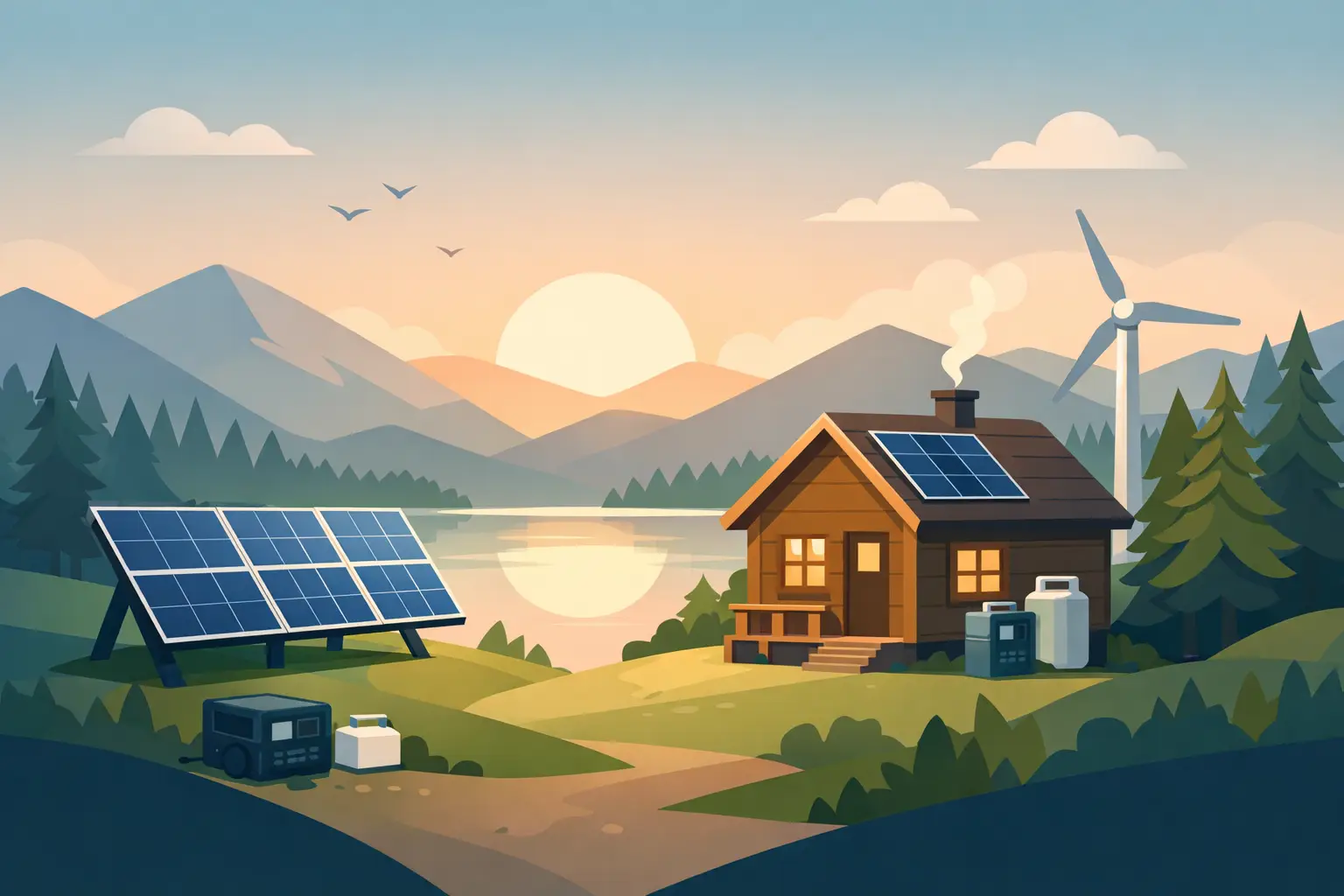
A cabin goes from peaceful to frustrating fast when the lights cut out, the water pump stops, and the fridge starts warming up. That is why off grid power for cabins is not just about convenience. It is about keeping your property usable, protecting food and equipment, and making sure bad weather or a remote location does not leave you in the dark.
For some cabin owners, the goal is simple weekend comfort. For others, it is full-time independence from the utility grid. The right setup depends on how often you use the cabin, what you need to run, and how much risk you are willing to tolerate during storms, long cloudy stretches, or heavy seasonal use. A small system that works for lights and phone charging will not carry a water heater, air conditioning, and a full kitchen.
What off grid power for cabins really needs to do
The first mistake many people make is shopping by product type instead of by real power demand. A cabin power system has one job: deliver dependable electricity when you need it, without constant workarounds. That means covering everyday use, handling startup surges from appliances, and storing enough energy to ride through poor solar conditions.
If your cabin is in a hot, humid, or coastal environment, durability matters just as much as wattage. Batteries, cables, connectors, and solar panels all face more stress in heat, salt air, and storm exposure. A system that looks good on paper but struggles in harsh conditions is not reliable backup power. It is a future headache.
That is why a cabin system should be planned around four pieces working together: energy generation, battery storage, power conversion, and backup options. Solar panels generate the energy, batteries store it, an inverter makes it usable for standard appliances, and a secondary backup source covers the days when solar alone is not enough.
Start with your cabin load, not your wishlist
Before choosing a solar generator, portable power station, or full battery system, estimate what the cabin actually uses in a day. This is where a lot of overspending or undersizing happens.
A modest cabin might need power for LED lights, phone charging, a router, fans, a small refrigerator, and maybe a TV. A larger or more comfortable setup may also include a microwave, coffee maker, water pump, security system, or mini split AC. Those loads are very different, and they push the system size up quickly.
It also matters whether devices run continuously or only for short bursts. A refrigerator cycles on and off, but a water pump may have a high startup surge. An air conditioner may run for hours during peak heat. If you ignore those realities, you can end up with a battery that drains too fast or an inverter that trips when heavier equipment starts.
As a rule, cabin owners should think in three buckets. First, what must stay on no matter what, such as lights, refrigeration, communication, and medical devices. Second, what is nice to have, like entertainment or small kitchen appliances. Third, what is optional or should be used only when solar input is strong, such as power tools or AC.
Solar plus battery is the backbone
For most cabins, solar paired with battery storage is the most practical long-term answer. It gives you daily generation, quiet operation, and freedom from hauling fuel every week. It also makes more sense for properties where grid access is expensive, unreliable, or unavailable.
A battery-only setup can work for short visits, but it eventually has to be recharged from somewhere. That is why portable power stations are often excellent for light cabin use, especially if you visit on weekends and mainly need essentials. They are easy to deploy, simple to manage, and a strong fit for charging electronics, powering lights, running a fan, or keeping a compact fridge on.
For heavier use or longer stays, a larger solar generator or home battery backup system makes more sense. These systems are better suited for cabins that need sustained output and more storage capacity. They also reduce the stress of constantly monitoring battery percentage or rationing power.
The trade-off is cost. More battery storage and more solar generation create more comfort and more resilience, but they raise the upfront investment. That does not mean bigger is always better. It means the system should match how the cabin is actually used.
When portable power is enough
There is a strong case for portable systems in cabin settings, especially if you want fast setup and lower commitment. A quality portable power station with folding or ground-deployed solar panels can cover a surprising amount of daily use when loads are modest.
This route works well for seasonal cabins, hunting cabins, guest cottages, and remote properties that do not run major appliances. It is also a good fit for owners who want backup power now and may expand later. You can start with critical loads, then scale up once you understand your real usage.
Portable systems also have a practical advantage in storm-prone areas. They can be moved, stored, and protected more easily than fixed equipment. If weather turns dangerous, that flexibility matters.
Still, there are limits. If your cabin depends on a well pump, freezer, multiple rooms of cooling, or long daily occupancy, portable power alone may start to feel cramped. In that case, a larger fixed battery system with dedicated solar capacity is usually the better move.
Why backup still matters in an off-grid cabin
People often imagine solar as a complete answer, but weather does not always cooperate. Several cloudy days in a row can put pressure on even a well-designed setup, especially if the cabin is occupied full time.
That is why the best off grid power for cabins includes a backup strategy. Sometimes that means extra battery capacity. Sometimes it means using a generator as an emergency recharge source. In some cases, it means changing usage habits when solar harvest is low.
The point is not to eliminate every compromise. The point is to avoid preventable failures. If the cabin must remain functional during bad weather, hurricane season, or extended occupancy, your system needs margin. Tight power planning may save money upfront, but it can leave you with too little resilience when conditions turn rough.
Climate changes the equipment decision
Not every cabin sits in cool mountain air. Many properties deal with intense sun, heat, humidity, and storm exposure. In those conditions, product quality matters more than marketing claims.
Solar panels need to hold up under prolonged UV exposure and rough weather. Battery systems need stable performance in high temperatures. Connectors and mounting hardware need to resist corrosion, especially near the coast. If your cabin is in the Bahamas or along the US coast, these are not minor details. They affect lifespan, safety, and system reliability.
This is one reason many buyers choose purpose-built solar and battery solutions instead of piecing together random components. A dependable system is easier to maintain, easier to expand, and less likely to fail when you need it most.
A simple way to choose the right setup
If your cabin use is light, start with essentials. A portable power station and solar panels may be enough for lighting, charging, fans, and a compact fridge. If your use is moderate and regular, step up to a larger solar generator with more battery capacity and higher inverter output. If the cabin is a primary residence or long-stay retreat, you are usually better served by a more complete battery backup system designed around your daily loads.
What matters most is not the label on the product. It is whether the system can support your real routine with enough margin for bad weather, seasonal heat, and the occasional extra load. A cabin power system should make life easier, not turn every evening into a math problem.
SOL242 focuses on this kind of practical reliability because backup power is not a luxury in exposed or outage-prone areas. It is part of keeping a property functional when conditions are less than ideal.
The best cabin setup is the one that fits your usage honestly, stands up to your environment, and keeps the essentials running without drama. If your power plan can do that, your cabin stays what it should be: ready when you arrive, comfortable while you are there, and protected when you leave.


