

How to Prepare for Power Outages Right
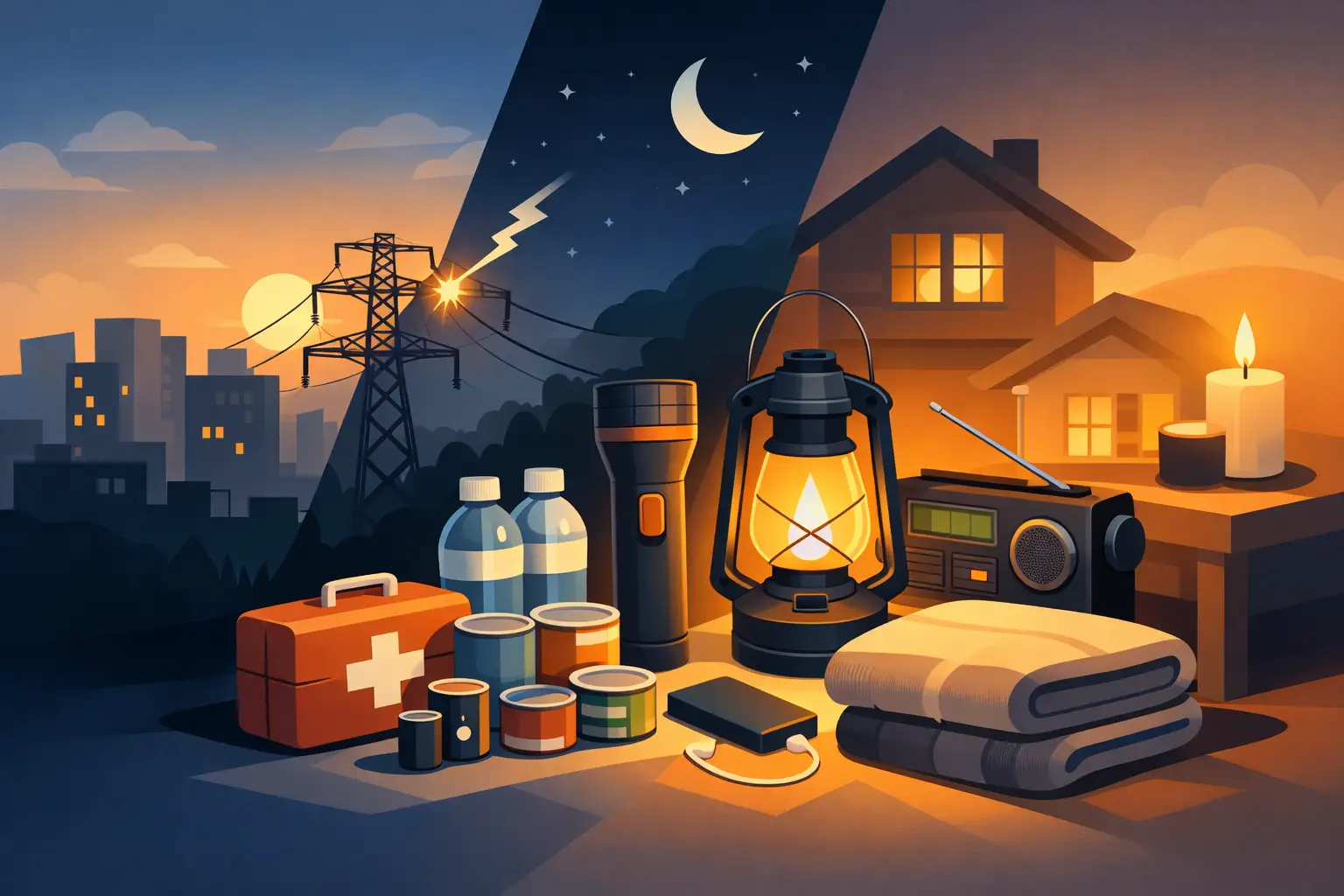
The lights usually do not go out at a convenient time. It happens in the middle of dinner service, during a heat wave, right before bed, or while a storm is still moving across the island. That is why learning how to prepare for power outages is less about reacting well and more about setting up your home or business so disruption stays manageable.
For some people, that means keeping phones charged and flashlights nearby. For others, it means protecting refrigerated food, running internet and security systems, or keeping a small business open when the grid fails. The right plan depends on what you cannot afford to lose: comfort, communication, safety, revenue, or all four.
How to prepare for power outages before the next one
The best outage plan starts with one simple question: what absolutely needs power in your space? Most people overestimate what they need in an emergency and underestimate how fast small essentials add up. A refrigerator, Wi-Fi router, a few lights, fans, medical devices, phone chargers, and a freezer can already represent a meaningful backup load.
Walk through your home or property room by room. Identify the devices that matter in the first 8 hours, the first 24 hours, and after 2 to 3 days. This helps you avoid buying too little backup power, but it also prevents overspending on a system built for appliances you do not actually need during an outage.
For a small apartment or a basic emergency setup, a portable power station may be enough to cover lighting, phones, laptops, routers, and smaller appliances. For a larger home, vacation rental, office, or property with critical loads, a home battery backup system makes more sense because it can support more circuits and offer a cleaner, quieter alternative to fuel-based generators. If outages tend to last beyond a few hours, portable solar panels add a major advantage because they let you recharge during daylight instead of waiting for the grid to return.
That trade-off matters. Battery systems are quiet, low-maintenance, and easier to use indoors, but runtime depends on battery size and energy use. Traditional generators can run longer if fuel is available, yet fuel storage, noise, exhaust, and maintenance are real drawbacks, especially in dense neighborhoods or after storms when fuel access is unpredictable.
Build your outage plan around priority loads
A good backup setup is not just about wattage. It is about choosing the right loads in the right order.
Start with refrigeration. Food loss is expensive, and medications may need temperature control. Then think about communication, since phones, radios, and internet access become more valuable the longer the outage lasts. After that, consider lighting, fans, security systems, and any work equipment that keeps income moving.
If you work from home or manage a small business, the outage plan should include your modem, router, laptops, payment devices, and any essential monitors or cameras. For property managers, backup power for gates, hallway lights, pumps, or communications equipment can make a major difference in tenant safety and daily operations.
This is where people often make a mistake: they focus on headline appliances instead of continuity. Keeping one refrigerator cold and your communication online may matter more than trying to run an entire kitchen.
Know what each device actually uses
You do not need to become an electrician, but you do need a realistic sense of energy use. Some devices have a steady draw, while others have startup surges. A fridge, freezer, pump, or power tool may need extra power for a few seconds at startup, even if the running wattage looks reasonable.
That is why matching your backup system to your real-world loads matters. A portable power station that handles phones and lights beautifully may not start a refrigerator compressor. A larger solar generator or battery backup system may be the better fit if you need to cover appliances with surge demands.
Stock the basics that matter when the grid is down
Backup power is central, but it is not the whole plan. Power outages become more stressful when they interrupt ordinary routines people take for granted.
Keep rechargeable lights in predictable places. Headlamps are especially useful because they keep both hands free. Store extra drinking water, shelf-stable food, medications, hygiene items, and a basic first-aid kit where they are easy to reach. If your stove or pump depends on electricity, think through how you will cook, flush, and clean.
For homes with children, older adults, or anyone with medical needs, comfort and heat management deserve extra attention. In hot, humid conditions, airflow is not a luxury. It is part of staying safe. Fans powered by a battery system can make a room more livable and reduce the strain of sleeping through a long outage.
Keep vehicle fuel levels higher than usual during storm season, but do not assume your car solves every problem. A car can charge phones, yet it is not a substitute for a dedicated home backup plan.
How to prepare for power outages during storm season
Storm season changes the timeline. You are not preparing for a random blackout anymore. You are preparing for an outage that may come with high winds, road closures, disrupted deliveries, and delayed utility restoration.
That means backup power should be charged, tested, and positioned before bad weather arrives. Portable units should be stored somewhere dry and easy to access. Solar panels should be secured properly and only deployed when conditions are safe. Extension cords, charging cables, and adapters should be kept together instead of scattered across closets and drawers.
If your area deals with salt air, heat, and humidity, equipment quality matters more than marketing claims. Coastal conditions can be tough on electronics and connectors, so durability is not an extra feature. It is part of reliability. The same goes for weather planning. A system that works well on paper but is difficult to move, recharge, or protect before a storm is not truly prepared.
For many households in the Bahamas and coastal parts of the US, a solar-plus-battery setup offers a practical advantage after storms. If the grid stays down and fuel is limited, daylight becomes your recharge window. That gives you more control than a backup system that depends entirely on gas availability.
Test before you need it
A surprising number of backup systems fail for simple reasons: dead batteries, missing cables, overloaded circuits, or users who never practiced connecting anything.
Run a short drill. Power your router, a fan, a lamp, and your fridge from the system you plan to use. Time how long the battery lasts under realistic conditions. Check whether everyone in the household knows where the lights, chargers, and emergency supplies are. If you operate a business, make sure key staff know the outage procedure too.
A test run reveals weak spots while you still have time to fix them.
Choose backup power based on your real situation
There is no single best answer for every property. A condo owner may need compact, quiet emergency power for essentials. A family home may need longer runtime and solar recharging. A small shop may need enough capacity to keep sales, security, and communications running. An off-grid user may need a larger solar generator or battery system designed for repeated daily use.
That is where honest planning pays off. If you only need emergency charging and basic lights, a smaller unit is often enough. If outages are frequent or last a full day or more, stepping up to a larger battery system with solar input can save money and frustration over time. If your goal is whole-home resilience, then a more permanent home battery backup system is usually the smarter path.
At SOL242, that is the practical difference between buying backup power and building energy independence. The right equipment should not just turn on. It should fit your climate, your load, and the way outages actually happen where you live.
What to do when the outage starts
Once the power goes out, keep the first few minutes calm. Confirm whether the outage is limited to your property or affecting the wider area. Unplug sensitive electronics if needed, keep refrigerator and freezer doors closed as much as possible, and shift immediately to your priority loads.
Use stored power carefully in the early hours. People often waste battery capacity on nonessentials, then run short later when communication, cooling, or refrigeration matters more. If solar recharging is part of your plan, think in day-night cycles: conserve overnight, recharge by day, repeat as needed.
If the outage stretches on, routine becomes your friend. Charge devices at set times, manage cooler indoor spaces, rotate power use, and keep everyone informed. Preparedness is not just gear. It is confidence under pressure.
Power outages will never feel convenient, but they do not have to feel chaotic either. A well-chosen backup system, a tested plan, and a few smart supplies can turn a stressful interruption into something your household or business is ready to handle.


