

Is Battery Backup Worth It in Bahamas?
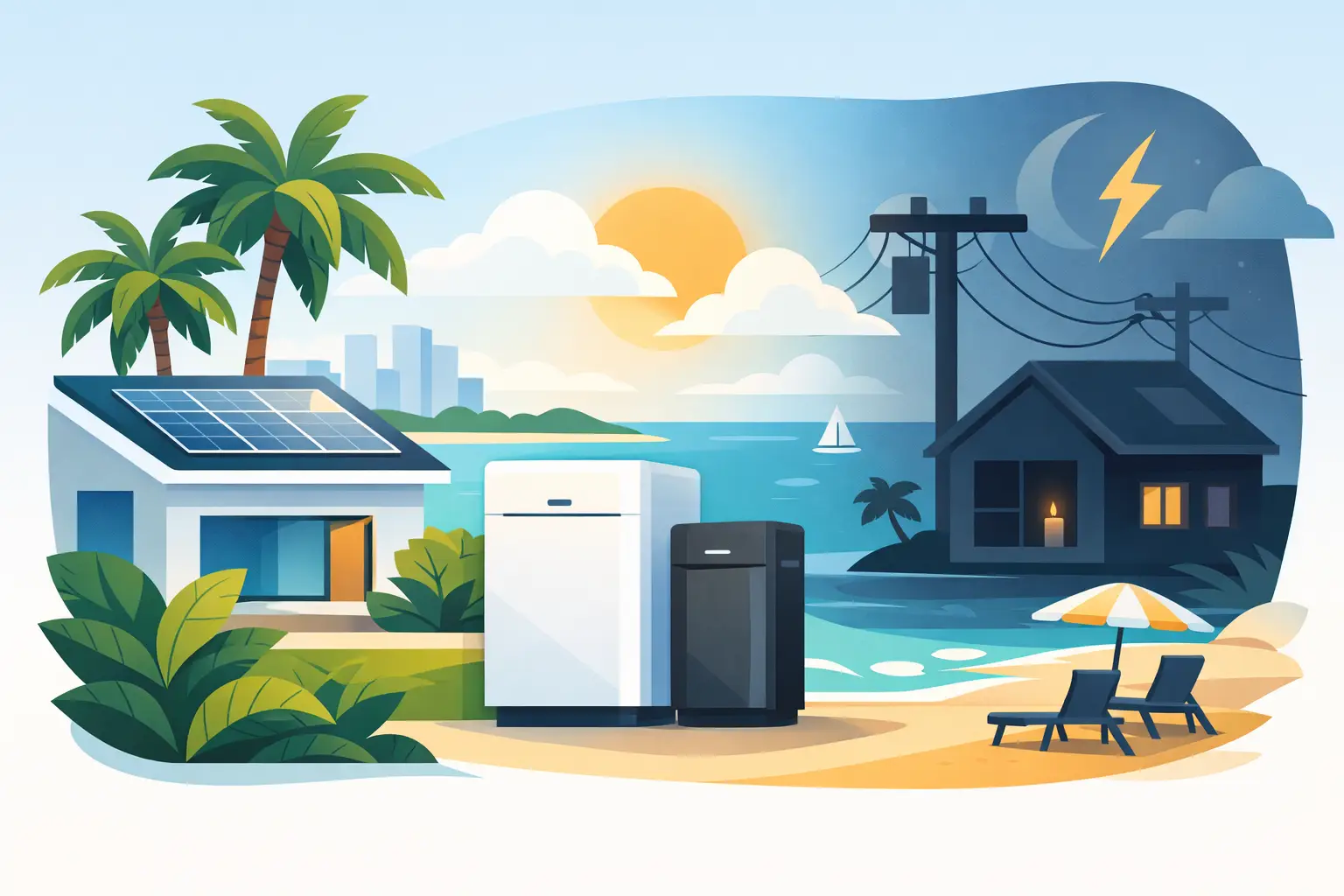
When the power drops in the middle of a hot night, the question stops being theoretical. Is battery backup worth it in Bahamas? For many homeowners and business owners, the answer is yes – but the real value depends on what you need to keep running, how often outages affect you, and whether you want short-term convenience or long-term energy independence.
In the Bahamas, backup power is not just about comfort. It can mean keeping food from spoiling, maintaining internet for work, running lights and fans safely, protecting electronics from disruption, and keeping a small business open when the grid is down. Add hurricane season, salt air, heat, and rising electricity costs, and battery backup starts to look less like an extra and more like a practical layer of protection.
Is battery backup worth it in Bahamas for everyday use?
If your only goal is emergency lighting a few times a year, a small portable power station may be enough. If you deal with regular outages, voltage instability, or high electric bills, the value of battery backup grows quickly. The Bahamas has a mix of grid reliability challenges and weather exposure that makes stored power useful even outside major storm events.
A battery system gives you immediate backup without the noise, fuel storage, fumes, or engine maintenance of a gas generator. That matters in residential neighborhoods, vacation properties, apartment settings, and places where fast, quiet power is a better fit than pulling a starter cord during bad weather.
For families, the biggest benefit is continuity. You can keep phones charged, run Wi-Fi, power lights, fans, a TV, medical devices, or parts of your kitchen depending on system size. For business owners, battery backup can protect point-of-sale systems, routers, security equipment, office devices, and refrigeration loads that cannot afford repeated interruptions.
The catch is simple. Batteries are not one-size-fits-all. A small unit is excellent for essentials, but it will not run central air conditioning or a full house all night. Larger home battery backup systems can do far more, but they come with a higher upfront cost. So the better question is not just whether battery backup is worth it. It is whether the right size system is worth it for your property.
Where battery backup makes the most sense
Battery backup tends to pay off fastest for people who feel the cost of outages immediately. That includes homeowners with children, elderly family members, or medical equipment. It also includes remote workers who lose income when the internet and devices go down.
Small businesses often see strong value as well. If a short outage shuts down card payments, lighting, communications, or cold storage, lost revenue can exceed the cost of backup faster than many owners expect. Property managers and vacation rental operators also benefit because guests notice power interruptions right away, and poor backup planning can quickly become a reputation problem.
Off-grid users and boaters have another reason to invest. Portable solar generators and battery systems provide flexible power without depending on fuel deliveries or noisy machinery. In island conditions, that flexibility matters.
Battery backup versus fuel generators
A lot of buyers compare battery backup to a traditional generator, and that is fair. Generators still have a role, especially when you need high output for long durations and want to run heavy loads like large air conditioners or multiple appliances at once. But batteries offer clear advantages that make them especially appealing in coastal and storm-prone environments.
Battery backup turns on fast, runs quietly, and needs far less hands-on maintenance. There is no gasoline or diesel to store, no oil changes, and no struggle to source fuel after a storm when supply lines are stressed. For indoor-safe use with many portable power stations, there are also no exhaust fumes to manage.
On the other hand, batteries have limits tied to capacity. Once stored energy is used up, you need to recharge from the grid, solar panels, or another source. A generator can keep going as long as fuel is available. That is why many people choose battery backup for daily resilience and pair it with solar for longer outages.
In practical terms, batteries are often the better fit for essential loads, quiet overnight use, apartment living, and anyone who wants cleaner, lower-maintenance backup. Generators are often the better fit for whole-property heavy-load coverage if noise, fuel, and upkeep are acceptable trade-offs.
The cost question: upfront price versus real value
The main reason people hesitate is the purchase price. A quality battery backup setup costs more upfront than flashlights, surge protectors, or a very small generator. But judging value only by sticker price misses the bigger picture.
A battery system can save money indirectly by reducing food loss during outages, avoiding emergency fuel purchases, protecting work productivity, and lowering dependence on expensive grid power when paired with solar. Over time, some users also see savings from shifting part of their daily consumption to stored solar energy instead of buying all power from the utility.
There is also the value of convenience and peace of mind. That may sound intangible, but it becomes very real when a storm is approaching and your backup plan does not depend on finding fuel, dealing with noise complaints, or troubleshooting an engine that has been sitting for months.
For many buyers, the strongest financial case comes from matching system size to actual priorities. If you overspend on capacity you will never use, the return looks weak. If you size correctly around your essentials, the investment often feels justified much sooner.
How to tell if battery backup is worth it for your property
Start with one simple question: what absolutely needs to stay on when the grid fails? For some homes, that is lights, phones, fans, internet, and a refrigerator. For others, it may include security systems, medical devices, a freezer, or work equipment. A small business might prioritize payment systems, routers, emergency lighting, and cold storage.
Then consider outage length. If most interruptions are short, a portable power station or mid-size backup unit may cover you well. If outages can stretch for many hours or longer after storms, larger battery capacity and solar charging become far more attractive.
Your property type matters too. Renters and condo owners often prefer portable systems because they are easy to use and do not require major installation. Homeowners with more space and larger power needs may benefit from a dedicated home battery backup system. If you already have solar or plan to add it, battery backup becomes more valuable because you can recharge with sunlight instead of relying only on the grid.
Choosing equipment for island conditions
Not all power products are built with coastal realities in mind. Heat, humidity, and salt exposure are hard on electrical equipment, especially if it is stored poorly or used outdoors. That is one reason quality matters so much in the Bahamas.
Look for battery backup and solar equipment designed for durability, safe battery management, and dependable output under demanding conditions. Weather resistance, reliable warranties, and support from a seller that understands island use cases are not minor details. They are part of the value.
Portable solar panels also add another layer of resilience. They help keep power stations charged during extended outages and reduce dependence on the grid. That is especially useful after storms, in remote areas, or anywhere fuel access can become uncertain.
For buyers who want practical options matched to real outage needs, SOL242 focuses on backup power and solar products selected for heat, humidity, and storm-readiness rather than generic one-size-fits-all solutions.
When battery backup may not be worth it
There are cases where the answer is no, or at least not yet. If you rarely lose power, have minimal essential loads, and are comfortable with a very basic emergency setup, a full battery system may be more than you need. The same is true if your expectation is whole-home air conditioning and unlimited runtime on a small budget. Batteries are powerful, but they do not erase the need to prioritize loads and size a system realistically.
It may also make sense to wait if you have no clear plan for what you want to power. Backup products deliver the best value when chosen with purpose. Buying the wrong capacity often leads to disappointment, either because the unit is too small for your needs or too expensive for what you actually use.
The practical answer
For many people in the Bahamas, battery backup is worth it because power reliability is not something to gamble on. It protects everyday comfort, supports storm preparedness, and creates more control over how you manage outages and energy costs. The smartest approach is not buying the biggest system available. It is choosing a backup setup that covers your essentials, fits your property, and can hold up under island conditions.
If power interruptions have already cost you sleep, spoiled groceries, business downtime, or unnecessary stress, that is usually your answer right there. The right battery backup does more than keep the lights on – it gives you options when the grid does not.


