

Solar Backup Power Buying Guide
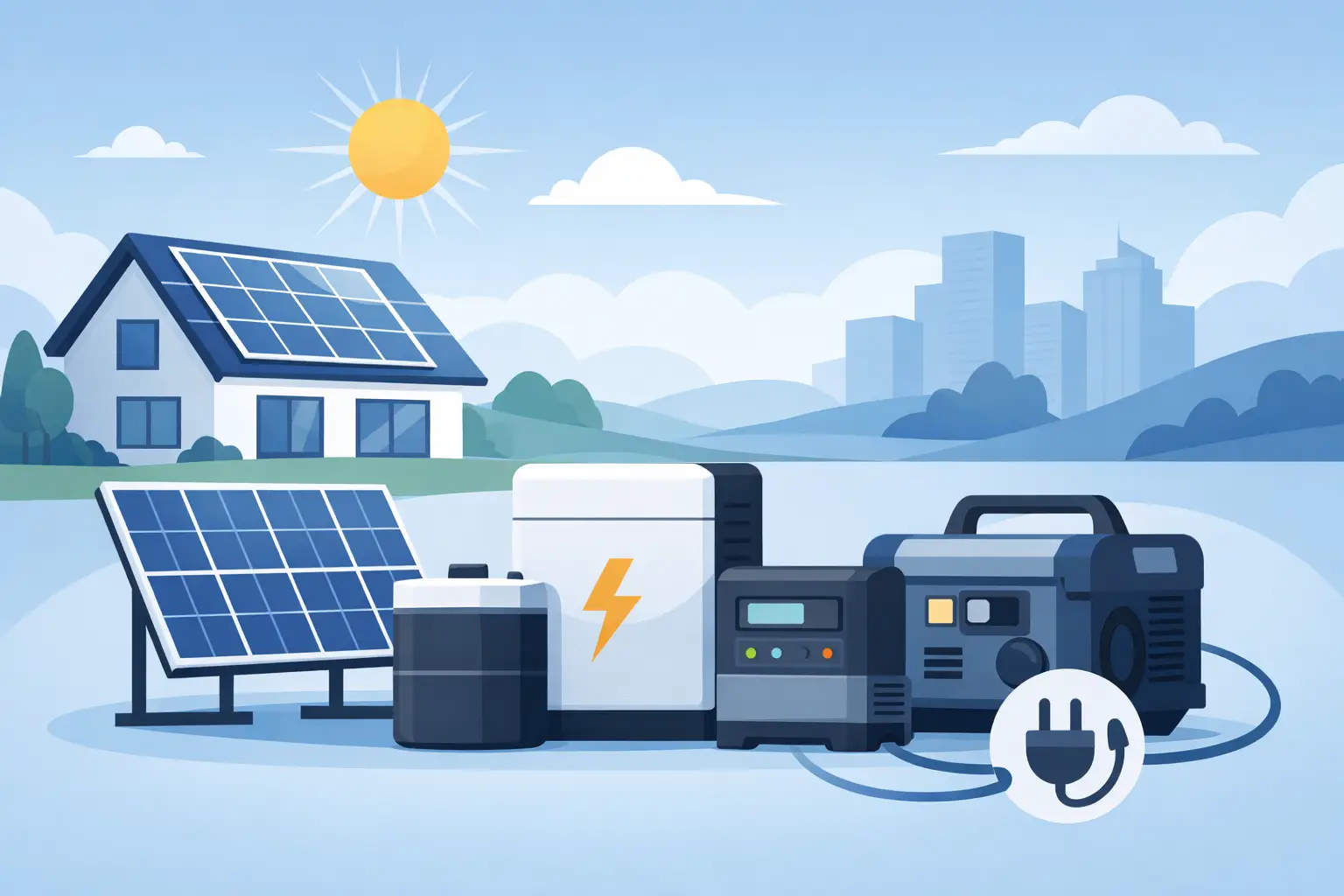
When the power goes out at 2 a.m., your decision is no longer about watts and battery chemistry. It is about whether the fridge stays cold, the internet stays on, the phones keep charging, and the house stays livable until the grid comes back. That is why a solar backup power buying guide matters – especially if you live where storms, heat, salt air, and utility interruptions are part of real life, not rare exceptions.
Buying backup power is easier when you stop thinking about products first and start thinking about what must keep running. Some households only need lights, phones, a router, and a fan. Others need refrigeration, a medical device, office equipment, security systems, or enough stored power to get through an overnight outage without scrambling for fuel. The right system depends less on marketing claims and more on your actual outage plan.
How to use this solar backup power buying guide
Start with priority loads. If you try to back up everything, costs rise fast and the system gets more complex. If you focus on essentials, you can often build a setup that is practical, reliable, and much easier to live with.
A small emergency setup usually covers phones, lights, a modem, and maybe a fan or TV. A mid-size setup can add a full-size refrigerator, more outlets, and longer runtime. A larger home battery backup system may be the better move if you need multiple rooms, heavier appliances, or a more automatic response during outages.
This is where many buyers make the first mistake. They shop by product category without matching the system to their lifestyle. A portable power station is excellent for convenience and quick deployment, but it is not always the best fit for whole-home coverage. A home battery system offers more capacity and integration, but it costs more and usually involves installation. Neither is better in every case. The better choice is the one that covers your critical loads with enough runtime and enough durability for your environment.
Step 1: Calculate what you need to power
Think in two numbers: running watts and storage capacity. Running watts tell you how much power your devices need at one time. Storage capacity, usually measured in watt-hours, tells you how long your battery can keep those devices going.
If your router uses 15 watts, a fan uses 50 watts, and a few LED lights use 20 watts total, you are only at 85 watts of continuous demand. That is manageable with a relatively compact unit. Add a refrigerator, and the picture changes. Many refrigerators may run in the 100 to 200 watt range but need much higher surge power at startup. That startup demand matters because a backup unit must handle both the steady load and the brief spike.
Runtime matters just as much as output. A battery with 1,000 watt-hours can theoretically run a 100 watt load for around 10 hours, though real-world losses reduce that somewhat. If you want to run more devices for longer, you need more battery storage, more solar input, or both.
Step 2: Decide between portable and installed backup
Portable power stations are often the fastest path to reliable backup. They are easy to store, easy to move, and useful beyond emergencies. You can use them during outages, on job sites, outdoors, or anywhere you need quiet power without fuel. For renters, apartment dwellers, and anyone who wants a flexible system without installation, this is usually the starting point.
Portable solar panels pair naturally with these systems because they let you recharge when the grid is down. That matters during extended outages. A battery alone buys time. Solar charging helps you recover and keep going.
Installed home battery systems make more sense when backup power is a core part of your home strategy, not just an emergency add-on. They can support more circuits, offer cleaner integration, and feel more automatic during outages. For homeowners who face regular interruptions or want stronger energy independence, the higher upfront investment can be worth it.
Step 3: Size for outages you actually experience
The best system for a two-hour outage is not the same one you need after a major storm. This is where local conditions matter. In coastal and island environments, buyers should plan for heat, humidity, storm season, and the possibility that recharge access may be limited for a while.
If outages are usually short, your focus should be enough battery capacity to cover the essentials with margin. If outages can last a full day or several days, solar input becomes much more important. A battery that empties by evening is only half a plan.
There is also a comfort factor. Some buyers want strict emergency backup only. Others want enough power to keep life close to normal. Both are valid, but they lead to different price points. Being honest about your expectations will save you from overspending or underbuying.
Step 4: Pay attention to solar charging speed
A lot of people focus on battery size and ignore recharge time. That can be costly during a long outage. A larger battery is helpful, but if the solar panel input is too small, it may take too long to refill when weather windows are limited.
Look at the relationship between battery capacity and maximum solar input. A unit with decent storage but weak solar intake may struggle to recover day after day. On the other hand, pairing a capable battery with enough portable solar panel wattage gives you a much stronger resilience plan.
Weather and placement affect this too. Panels rarely produce their full rated output all day. Clouds, shade, roof angle, and heat reduce performance. In hot climates, planning with some margin is the safer choice.
Step 5: Check the outlets and features you will really use
A backup unit can have plenty of capacity and still be inconvenient if it lacks the right output options. Count the AC outlets you need. Check whether you need USB-C, standard USB, 12V car output, or RV-style connections. If you want to run sensitive electronics, clean inverter output is essential.
Noise matters as well. Battery systems are far quieter than gas generators, which makes them better for indoor-adjacent use, overnight operation, and everyday convenience. Maintenance is another advantage. You are not storing fuel, changing oil, or dealing with pull starts after a storm.
That said, battery backup is not magic. Heavy loads like central air conditioning, electric dryers, and large water heaters can overwhelm smaller systems quickly. If those are part of your must-have list, you may need a much larger installed solution or a different backup strategy altogether.
What a good solar backup power setup should handle
A practical setup should match your most likely emergency needs, not an idealized version of total home backup. For many households and small businesses, that means refrigeration, communication, lighting, device charging, and a few comfort items. For others, it may also include a POS system, security equipment, tools, or medical support devices.
If your work depends on power, downtime has a cost beyond inconvenience. That is one reason more buyers are moving toward backup systems that can serve both daily life and emergency readiness. The best purchase is often the one that gets used regularly enough that you know it works before a storm is on the radar.
Common buying mistakes to avoid
The biggest mistake is buying too small because the entry price looks attractive. A unit that only powers phones and a lamp will not feel like a solution if your main concern is food storage or keeping a business running. The second mistake is buying too large without a clear plan, then paying for capacity you rarely use.
Another common miss is ignoring environmental durability. Heat, humidity, salt exposure, and storm season are not minor details. They should shape what you buy and how you store it. Look for equipment designed for dependable use, not just impressive specifications on a product page.
Support matters too. Warranty coverage, replacement access, and clear product guidance can make the difference between confidence and frustration. That is one reason customers often prefer retailers like SOL242 that speak directly to real backup scenarios instead of treating solar as a hobby product.
Final buying advice
The smartest purchase is usually not the biggest system. It is the system you can count on when the grid fails, the weather turns, and you need power without delay. Start with your essentials, size for your real outage risks, and choose equipment that can stand up to the conditions you live in. A good backup setup does more than keep the lights on – it gives you options when options matter most.


