

Energy Independence for Island Businesses
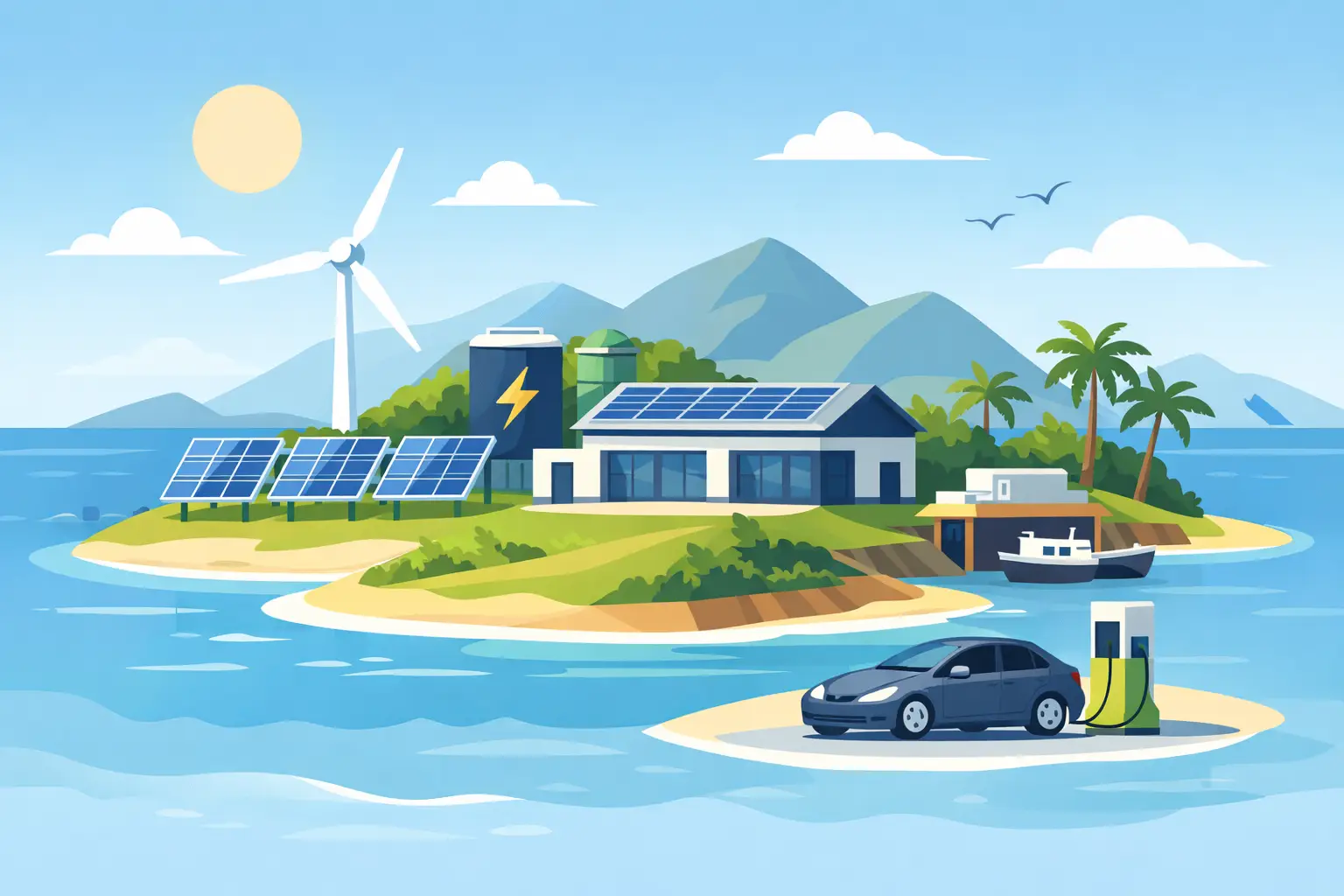
A closed sign during an outage costs more than a few hours of sales. It can mean spoiled inventory, missed bookings, warm freezers, interrupted service, and customers who do not return. Energy independence for island businesses is about protecting the ability to operate when the grid is strained, fuel is delayed, or a storm changes the week’s plans overnight.
For a shop, restaurant, rental property, marina office, or service business, dependable power is not a luxury upgrade. It is business continuity. Solar and battery backup give owners a practical way to keep essential equipment running, reduce reliance on expensive utility power, and make better decisions before hurricane season begins.
Why Island Businesses Need More Control Over Power
Island grids face pressures that mainland businesses may never see. Generation capacity can be limited, replacement parts and fuel can take time to arrive, and severe weather can damage lines over a wide area. Even a short outage can create a chain reaction: card terminals go down, pumps stop, refrigerated goods warm up, security systems lose coverage, and employees cannot complete basic work.
Utility bills can create a second problem. Businesses with long operating hours, air conditioning, refrigeration, lighting, and communications equipment have little room to cut consumption without affecting service. Producing and storing part of your own electricity can reduce the amount of high-cost grid power you need during the day and provide stored energy when the grid is unavailable.
That does not mean every business needs to leave the grid entirely. For most owners, the smart goal is selective independence. Keep critical loads protected first, then expand the system as budget, roof space, and operational needs allow.
Start With the Loads That Keep You Open
The right system begins with a clear answer to one question: what must stay on when everything else is off? A battery system should be sized around essential operations, not every appliance in the building.
For a small retail business, that may mean point-of-sale equipment, internet service, a few lights, security cameras, fans, and a compact refrigerator. A restaurant may prioritize refrigeration, a freezer, communications, limited lighting, and a small water pump. Vacation rental operators may need Wi-Fi, key lighting, a refrigerator, a pump, and charging access for guests. A contractor or mobile operator may need power for tools, communications, and a field office.
Write down each critical device, its wattage, and the number of hours it needs to run. This provides a realistic starting point for battery capacity and inverter output. It also helps prevent a common and costly mistake: buying a power station that can charge phones and laptops but cannot start the refrigerator, pump, or equipment that actually protects revenue.
There are four details worth checking before choosing equipment:
- Running wattage and surge wattage, especially for motors in refrigerators, freezers, pumps, and air conditioners
- Daily energy use, measured in watt-hours or kilowatt-hours
- The number of outage hours you need to cover before solar can recharge the battery
- Whether the equipment will be portable, permanently installed, or expanded over time
A qualified installer can help with a larger integrated system, but owners still benefit from understanding these basics. Better information leads to a system that matches the business rather than a generic package.
Build Energy Independence in Stages
A staged approach is often the most practical path for island businesses. It reduces upfront pressure while delivering immediate protection.
Stage One: Protect Communications and Small Essentials
A portable power station paired with portable solar panels can cover routers, phones, laptops, lights, cameras, and small electronics. This is a strong first layer for offices, checkout areas, small retail operations, property managers, and mobile businesses. It is also useful when power needs shift between locations or when equipment must be moved away from windows and exposed areas before a storm.
Portable systems are not a substitute for a whole-building backup plan. Their strength is flexibility. They can keep the business connected, support customer communication, and provide a reliable power source for the essentials that keep work moving.
Stage Two: Cover Revenue-Critical Equipment
The next step is enough battery and inverter capacity for refrigeration, pumps, selected outlets, or other equipment that prevents loss. Depending on the load, this may involve a larger solar generator, expandable battery system, or dedicated backup circuit installed for specific equipment.
This stage requires honest prioritization. Running every air conditioner, large commercial kitchen load, or full facility at once can dramatically increase system size and cost. A better outage plan may use fans, limit cooling to one area, stagger equipment startup, and keep doors closed to preserve cold storage. Independence works best when energy management supports the equipment.
Stage Three: Add Home- or Facility-Scale Solar and Storage
Businesses with consistent daytime demand can benefit from a fixed solar array and battery backup system. Solar power can offset daytime energy use while charging batteries for evening operation or outages. For properties with strong sun exposure, this can turn an unavoidable operating expense into a long-term resilience investment.
The design must account for roof condition, shade, wind exposure, local permitting requirements, electrical service, and the type of loads being backed up. In coastal locations, mounting hardware, enclosures, cable routing, and placement matter just as much as panel output. Equipment should be selected and installed with heat, humidity, salt air, and storm preparation in mind.
Solar Helps Most When the Battery Is Sized Correctly
Solar panels generate energy when the sun is available. Batteries make that energy useful when you need it. One without the other may still have value, but together they create a far more dependable backup strategy.
A solar array that is too small may not recharge batteries quickly after several heavy-use hours. A battery that is too small may reach empty before sunrise, even with plenty of panels available the next day. Weather also matters. Cloud cover and storm conditions reduce solar production at the exact time outages are most likely, so businesses should avoid planning around perfect sunny-day output.
For this reason, backup systems should be based on conservative assumptions. Estimate your essential load, add room for startup surges and unexpected use, and consider how long you may need to operate with reduced solar production. A system designed only for ideal conditions can leave a business exposed when conditions are not ideal.
Prepare the System Before Hurricane Season
Backup power is only dependable if it is ready before an emergency. Test your system on a normal day. Run the equipment you expect to power, confirm that cables and adapters are available, and make sure staff know what gets connected first.
For portable equipment, keep charging cables, extension cords rated for the intended load, protective covers, and a printed list of priority devices in one accessible place. Store equipment indoors or in a protected area before severe weather arrives. Portable solar panels should be secured or brought inside when high winds are expected, not left out to capture the last bit of sunlight.
For fixed systems, schedule inspections and maintenance according to the equipment requirements. Check for corrosion, loose mounting hardware, damaged wiring, blocked ventilation, and changes to roof shading. After a storm, inspect visible equipment safely before restarting. If there is flood exposure, physical damage, or uncertainty about wiring, bring in a qualified professional.
The Financial Case Goes Beyond the Utility Bill
Reducing purchased electricity can improve monthly operating costs, but the larger value is often avoided loss. One prevented freezer failure, one day of continued card processing, or one uninterrupted guest stay can justify a meaningful portion of a backup investment.
The payback timeline depends on energy use, utility rates, system size, financing, and how often outages occur. A business with heavy daytime electricity use may see stronger solar savings than one open only at night. A business with sensitive inventory may value battery backup more highly than pure utility-bill reduction. There is no single setup that fits every operation.
SOL242 helps island customers focus on the equipment categories that make sense for real outage scenarios, from portable solar and power stations to larger battery backup options. The goal is not to buy the largest system possible. It is to invest in the power that protects the operations you cannot afford to lose.
Start by identifying the one outage that would hurt your business most: a long overnight blackout, a weekend grid interruption, or several days after a storm. Build for that scenario first. Every protected circuit, charged battery, and solar-powered hour gives your business more control when dependable power matters most.


