
Posted on Leave a comment

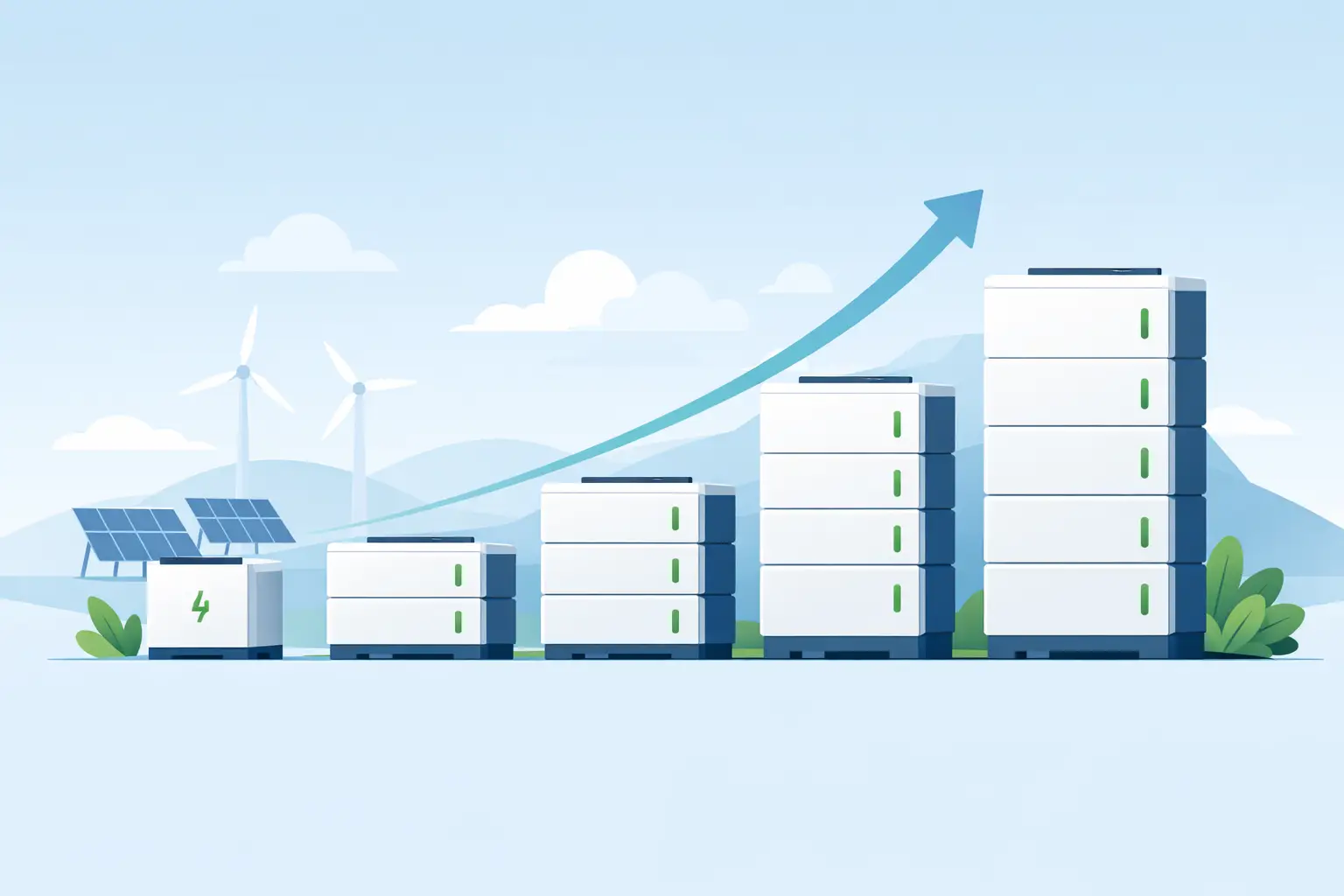
Expandable Battery Storage System That Grows
Expandable Battery Storage System That Grows

The refrigerator is running, the lights are on, and your phone is charging – until an outage lasts longer than expected. That is where an expandable battery storage system changes the conversation. Instead of buying a fixed amount of backup power and hoping it remains enough, you can begin with the essentials and add battery capacity as your household, business, or preparedness plan grows.

For homes and properties facing storm-related outages, this flexibility matters. Your first priority may be keeping food cold, devices charged, and a router online. Later, you may want to support more circuits, run a well pump, keep a small business operating, or store more solar power for overnight use. A system designed to expand gives you a practical path forward without forcing you to overbuy on day one.

What Is an Expandable Battery Storage System?

An expandable battery storage system is a power setup that allows compatible battery modules to be added after the initial purchase. The base system usually includes a battery and, depending on the product, an inverter that changes stored DC power into the AC power used by household appliances and electronics. Additional battery units increase the amount of energy available for use.

Battery capacity is typically measured in watt-hours (Wh) or kilowatt-hours (kWh). A larger number means more stored energy. For example, adding capacity can extend the time a refrigerator, fans, lights, communications equipment, and medical devices can stay powered during an outage.

Expansion is not the same as increasing power output. Capacity determines how long equipment can run. Output, measured in watts, determines what the system can run at one time. A battery bank may have enough stored energy for many hours, but its inverter still needs enough output to handle the startup surge and running wattage of the appliances you connect.

That distinction is one of the most important factors when selecting a system. Adding more batteries may extend runtime, but it may not allow a smaller inverter to run a larger air conditioner, water pump, or electric range.

Why Expandable Battery Storage Makes Sense for Backup Power

A fixed-size power station can be a smart choice for short outages, travel, or occasional emergency use. But household energy needs rarely stay fixed. Families add appliances, work-from-home equipment, security systems, and cooling needs. Small businesses may need to protect point-of-sale equipment, internet service, lighting, refrigeration, or communications during a grid interruption.

An expandable design lets you match your initial investment to your immediate needs while keeping a clear upgrade path. That can be especially useful for homeowners who want dependable backup now but are still deciding whether to add solar panels, transfer-switch connections, or more protected circuits later.

For island and coastal properties, hurricane preparation is another reason to plan for expansion. A brief outage and a multi-day outage demand very different amounts of stored energy. Starting with a portable or home backup unit for critical loads can be sensible. If outages become more frequent or longer than expected, compatible expansion batteries can provide greater reserve power without replacing the original system.

There is also a cost-control benefit. Rather than paying for maximum capacity before you know how you use energy, you can build around real experience. After an outage, you will know whether your biggest concern was refrigeration, overnight fan use, internet access, medical equipment, or the ability to recharge tools and phones. Those lessons make the next battery purchase much more targeted.

Start With the Loads That Matter Most

The right size is not determined by the number of rooms in a building. It is determined by the equipment you need operating when utility power is unavailable. Before comparing battery capacities, identify your critical loads and how long you need to support them.

For many homes, the priority list includes:

  • A refrigerator or freezer to protect food
  • Lights, fans, phone charging, and a router
  • Medical or mobility equipment that cannot lose power
  • A sump pump, well pump, security system, or essential communications device

Small businesses may place refrigeration, payment systems, networking equipment, security cameras, and selected lighting at the top of the list. A vacation property may need dependable power for internet, monitoring equipment, and a few essential appliances while the owner is away.

Next, estimate each device’s wattage and expected daily run time. A 100-watt load running for 10 hours uses roughly 1,000 watt-hours, or 1 kWh, before accounting for system losses. Refrigerators cycle on and off, while a router may draw power continuously. Air conditioners, pumps, and compressors often have high startup demands, so their running wattage alone does not tell the full story.

A practical backup plan includes a margin. Batteries do not operate under laboratory conditions during an actual outage. Doors open, devices get added, temperatures rise, and charging needs increase. In hot weather, a fan may move from a convenience to an essential load very quickly.

Plan for Capacity, Output, and Charging

Capacity determines runtime

If your basic loads consume 2 kWh per day and you want two days of backup without recharging, a usable capacity around 4 kWh is the starting point. In real planning, it is wise to allow extra capacity for changing conditions and conversion losses. An expandable system gives you the option to add that reserve later if your first battery does not deliver the runtime you expected.

Output determines what can run together

Check the continuous output rating and surge rating of the inverter. A system suitable for lights, electronics, and refrigeration may not be suitable for a central air conditioner or a high-demand pump. If your goal is whole-home backup, you may need a larger inverter, a professionally designed electrical connection, and a load-management plan rather than simply more battery modules.

Charging determines whether backup lasts

Solar charging can extend the usefulness of stored energy during a long outage. In the Bahamas and other sunny regions, portable or rooftop solar can recharge batteries during daylight and reduce reliance on fuel. But solar production changes with weather, panel angle, shading, and storm conditions. Plan around realistic production, not ideal sunny-day estimates.

Grid charging is useful before a storm, while vehicle charging can provide another option for certain portable systems. The best setup often uses more than one charging method. That way, your system is not dependent on a single source when conditions are difficult.

Check Expansion Compatibility Before You Buy

Not every battery can connect to every power station, inverter, or solar generator. Expansion batteries are usually designed for specific product families, with dedicated ports, voltage requirements, communication controls, and limits on the number of modules allowed.

Confirm the exact base unit, compatible expansion battery model, maximum supported capacity, and whether extra hardware is required. Also verify whether the expanded system changes charging speed, output capability, or installation requirements. Compatibility should be clear before you make the first purchase, not discovered after you need more runtime.

Pay attention to battery chemistry, warranty terms, operating temperature guidance, and storage recommendations as well. Lithium iron phosphate batteries are commonly valued for long cycle life and stability, but every product has its own specifications. Heat and humidity are part of life in coastal climates, so place equipment in a dry, ventilated location away from direct sun, salt spray, and flood risk.

For permanently installed home systems, speak with a qualified electrician about proper connections, permits, transfer equipment, and protected circuits. A battery is only as useful as the safe electrical plan around it.

When a Larger Fixed System May Be Better

Expandability is valuable, but it is not automatically the best answer for every situation. If you already know you need to support large loads for long periods, purchasing a properly sized home battery system from the start can be more efficient. It may reduce the number of components, simplify installation, and provide the inverter output required for demanding appliances.

Likewise, a portable expandable system is excellent for flexible backup, job sites, outdoor use, and selected home circuits, but it may not replace a permanently installed whole-home solution. The right choice depends on whether you need mobility, gradual growth, automatic outage response, or power for an entire electrical panel.

SOL242 helps customers think in terms of real backup needs rather than oversized promises. The goal is power you can count on when the grid is down, not capacity that looks impressive on paper but does not support the equipment you depend on.

Build a System You Can Grow Into

An expandable battery storage system is most useful when it begins with a clear purpose. Choose the critical loads you must protect, calculate a realistic runtime target, verify inverter output, and make sure future batteries are genuinely compatible. Then consider how solar charging fits into your outage plan.

Start with the backup power that protects your household or operation today. When your needs grow, expand with intention – one more battery, one more day of reserve, and one less reason to worry when the next outage arrives.
Posted on Leave a comment

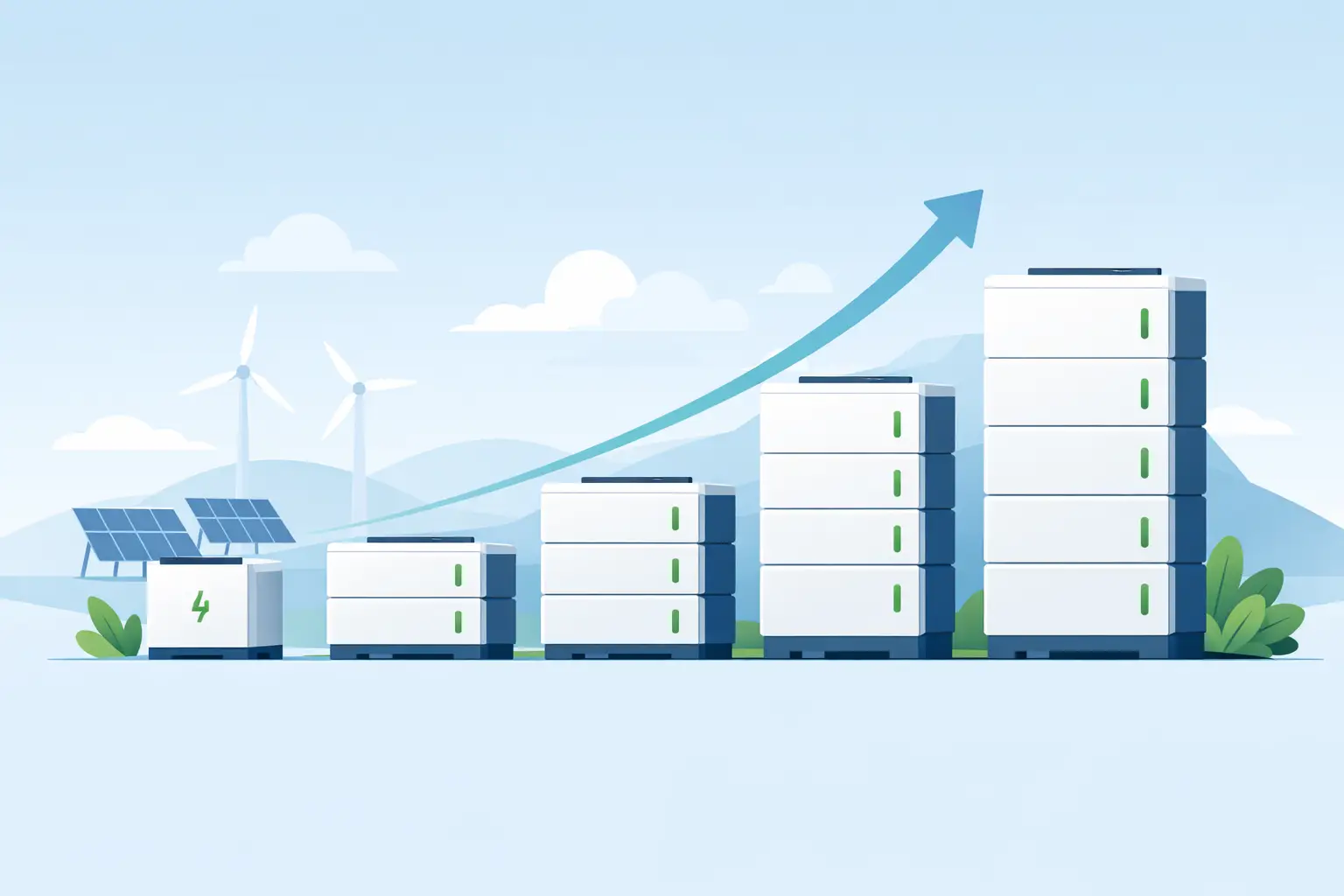
Expandable Battery Storage System That Grows

Expandable Battery Storage System That Grows

The refrigerator is running, the lights are on, and your phone is charging – until an outage lasts longer than expected. That is where an expandable battery storage system changes the conversation. Instead of buying a fixed amount of backup power and hoping it remains enough, you can begin with the essentials and add battery capacity as your household, business, or preparedness plan grows.

For homes and properties facing storm-related outages, this flexibility matters. Your first priority may be keeping food cold, devices charged, and a router online. Later, you may want to support more circuits, run a well pump, keep a small business operating, or store more solar power for overnight use. A system designed to expand gives you a practical path forward without forcing you to overbuy on day one.

What Is an Expandable Battery Storage System?

An expandable battery storage system is a power setup that allows compatible battery modules to be added after the initial purchase. The base system usually includes a battery and, depending on the product, an inverter that changes stored DC power into the AC power used by household appliances and electronics. Additional battery units increase the amount of energy available for use.

Battery capacity is typically measured in watt-hours (Wh) or kilowatt-hours (kWh). A larger number means more stored energy. For example, adding capacity can extend the time a refrigerator, fans, lights, communications equipment, and medical devices can stay powered during an outage.

Expansion is not the same as increasing power output. Capacity determines how long equipment can run. Output, measured in watts, determines what the system can run at one time. A battery bank may have enough stored energy for many hours, but its inverter still needs enough output to handle the startup surge and running wattage of the appliances you connect.

That distinction is one of the most important factors when selecting a system. Adding more batteries may extend runtime, but it may not allow a smaller inverter to run a larger air conditioner, water pump, or electric range.

Why Expandable Battery Storage Makes Sense for Backup Power

A fixed-size power station can be a smart choice for short outages, travel, or occasional emergency use. But household energy needs rarely stay fixed. Families add appliances, work-from-home equipment, security systems, and cooling needs. Small businesses may need to protect point-of-sale equipment, internet service, lighting, refrigeration, or communications during a grid interruption.

An expandable design lets you match your initial investment to your immediate needs while keeping a clear upgrade path. That can be especially useful for homeowners who want dependable backup now but are still deciding whether to add solar panels, transfer-switch connections, or more protected circuits later.

For island and coastal properties, hurricane preparation is another reason to plan for expansion. A brief outage and a multi-day outage demand very different amounts of stored energy. Starting with a portable or home backup unit for critical loads can be sensible. If outages become more frequent or longer than expected, compatible expansion batteries can provide greater reserve power without replacing the original system.

There is also a cost-control benefit. Rather than paying for maximum capacity before you know how you use energy, you can build around real experience. After an outage, you will know whether your biggest concern was refrigeration, overnight fan use, internet access, medical equipment, or the ability to recharge tools and phones. Those lessons make the next battery purchase much more targeted.

Start With the Loads That Matter Most

The right size is not determined by the number of rooms in a building. It is determined by the equipment you need operating when utility power is unavailable. Before comparing battery capacities, identify your critical loads and how long you need to support them.

For many homes, the priority list includes:

  • A refrigerator or freezer to protect food
  • Lights, fans, phone charging, and a router
  • Medical or mobility equipment that cannot lose power
  • A sump pump, well pump, security system, or essential communications device

Small businesses may place refrigeration, payment systems, networking equipment, security cameras, and selected lighting at the top of the list. A vacation property may need dependable power for internet, monitoring equipment, and a few essential appliances while the owner is away.

Next, estimate each device’s wattage and expected daily run time. A 100-watt load running for 10 hours uses roughly 1,000 watt-hours, or 1 kWh, before accounting for system losses. Refrigerators cycle on and off, while a router may draw power continuously. Air conditioners, pumps, and compressors often have high startup demands, so their running wattage alone does not tell the full story.

A practical backup plan includes a margin. Batteries do not operate under laboratory conditions during an actual outage. Doors open, devices get added, temperatures rise, and charging needs increase. In hot weather, a fan may move from a convenience to an essential load very quickly.

Plan for Capacity, Output, and Charging

Capacity determines runtime

If your basic loads consume 2 kWh per day and you want two days of backup without recharging, a usable capacity around 4 kWh is the starting point. In real planning, it is wise to allow extra capacity for changing conditions and conversion losses. An expandable system gives you the option to add that reserve later if your first battery does not deliver the runtime you expected.

Output determines what can run together

Check the continuous output rating and surge rating of the inverter. A system suitable for lights, electronics, and refrigeration may not be suitable for a central air conditioner or a high-demand pump. If your goal is whole-home backup, you may need a larger inverter, a professionally designed electrical connection, and a load-management plan rather than simply more battery modules.

Charging determines whether backup lasts

Solar charging can extend the usefulness of stored energy during a long outage. In the Bahamas and other sunny regions, portable or rooftop solar can recharge batteries during daylight and reduce reliance on fuel. But solar production changes with weather, panel angle, shading, and storm conditions. Plan around realistic production, not ideal sunny-day estimates.

Grid charging is useful before a storm, while vehicle charging can provide another option for certain portable systems. The best setup often uses more than one charging method. That way, your system is not dependent on a single source when conditions are difficult.

Check Expansion Compatibility Before You Buy

Not every battery can connect to every power station, inverter, or solar generator. Expansion batteries are usually designed for specific product families, with dedicated ports, voltage requirements, communication controls, and limits on the number of modules allowed.

Confirm the exact base unit, compatible expansion battery model, maximum supported capacity, and whether extra hardware is required. Also verify whether the expanded system changes charging speed, output capability, or installation requirements. Compatibility should be clear before you make the first purchase, not discovered after you need more runtime.

Pay attention to battery chemistry, warranty terms, operating temperature guidance, and storage recommendations as well. Lithium iron phosphate batteries are commonly valued for long cycle life and stability, but every product has its own specifications. Heat and humidity are part of life in coastal climates, so place equipment in a dry, ventilated location away from direct sun, salt spray, and flood risk.

For permanently installed home systems, speak with a qualified electrician about proper connections, permits, transfer equipment, and protected circuits. A battery is only as useful as the safe electrical plan around it.

When a Larger Fixed System May Be Better

Expandability is valuable, but it is not automatically the best answer for every situation. If you already know you need to support large loads for long periods, purchasing a properly sized home battery system from the start can be more efficient. It may reduce the number of components, simplify installation, and provide the inverter output required for demanding appliances.

Likewise, a portable expandable system is excellent for flexible backup, job sites, outdoor use, and selected home circuits, but it may not replace a permanently installed whole-home solution. The right choice depends on whether you need mobility, gradual growth, automatic outage response, or power for an entire electrical panel.

SOL242 helps customers think in terms of real backup needs rather than oversized promises. The goal is power you can count on when the grid is down, not capacity that looks impressive on paper but does not support the equipment you depend on.

Build a System You Can Grow Into

An expandable battery storage system is most useful when it begins with a clear purpose. Choose the critical loads you must protect, calculate a realistic runtime target, verify inverter output, and make sure future batteries are genuinely compatible. Then consider how solar charging fits into your outage plan.

Start with the backup power that protects your household or operation today. When your needs grow, expand with intention – one more battery, one more day of reserve, and one less reason to worry when the next outage arrives.