

Storm Ready Backup Checklist for Your Home
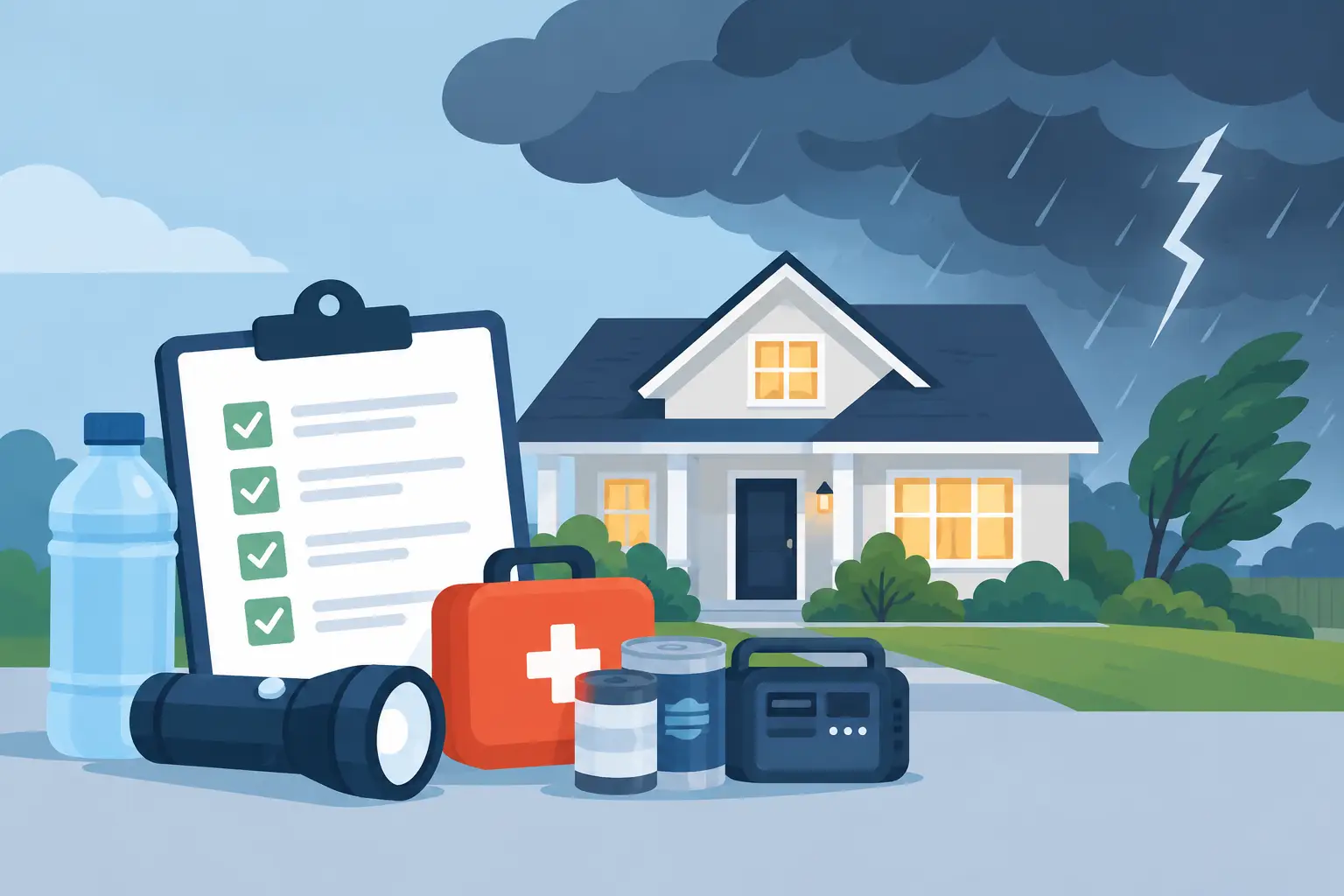
A storm ready backup checklist is not about buying the biggest battery you can find. It is about knowing what must keep running when the grid goes down: a phone, a refrigerator, lights, medical equipment, a Wi-Fi router, or a small business point-of-sale system. When a storm watch is posted, the best decisions are the ones made before wind, flooding, and long fuel lines complicate everything.
For homes and businesses in the Bahamas, where heat, humidity, and hurricane season place real pressure on the power grid, a practical backup plan creates breathing room. The same applies to coastal and storm-prone communities across the United States. Start with essential loads, protect your equipment, and choose power that matches the outage you are likely to face.
Start With the Loads You Cannot Lose
Before charging anything, make a short list of the appliances and devices that matter most. This keeps you from draining a portable power station on nonessential items while a refrigerator or phone is left without power.
For many households, the first priorities are refrigeration, lighting, phones, medical devices, fans, and internet equipment. A property manager may also need a modem, security cameras, gate controls, or communications equipment. A small business may need a card reader, router, laptop, and a few lights to continue serving customers or securely close down operations.
Check each device’s wattage label or power adapter. Watts tell you how much power the device uses while running. Watt-hours tell you how much stored battery capacity you need over time. A 60-watt fan running for eight hours uses about 480 watt-hours, before accounting for normal conversion losses. A refrigerator cycles on and off, so its actual daily use varies with size, room temperature, and how often the door opens.
Do not overlook startup surge. Refrigerators, pumps, and some power tools can require a brief burst of power much higher than their running wattage. Your backup system must handle both figures. If you are unsure, it is safer to size up rather than discover during an outage that a unit cannot start your critical appliance.
Storm Ready Backup Checklist: 72 Hours Before
Once a storm may affect your area, move from planning to preparation. Three days is a useful target because delivery delays, crowded stores, and shifting forecasts can limit options quickly.
- Fully charge every portable power station, battery bank, phone, flashlight, rechargeable lantern, and radio. Turn on the power station briefly to confirm the display, AC outlets, USB ports, and charging cable all work.
- Test essential devices on your backup power. Confirm the refrigerator starts, the modem reconnects, and medical equipment operates as expected. A five-minute test can reveal a loose cable or overloaded outlet before it becomes a problem.
- Fill vehicles and store approved fuel safely if you rely on a fuel generator. Never plan to run a combustion generator indoors, in a garage, near open windows, or under living areas. Carbon monoxide is odorless and deadly.
- Freeze water bottles or ice packs and organize the freezer. A full freezer stays cold longer than an empty one, and frozen water can help protect food if power is interrupted.
- Photograph key documents, record equipment serial numbers, and keep printed contact information in a waterproof folder. If cellular service is unreliable, a paper copy still works.
If you use portable solar panels, inspect cables and connectors now. Solar is valuable after the storm passes, when daylight can recharge a battery without depending on fuel deliveries or a restored grid. But panels should not be left deployed when high winds approach. Secure and store them indoors or in a protected location before conditions worsen.
Match Your Backup System to the Outage
A compact portable power station is often the right starting point for short outages and personal essentials. It can keep phones, lights, a radio, a laptop, and small electronics available without fumes or the noise of a generator. For apartment residents, renters, and households that need a grab-and-go solution, that simplicity matters.
For refrigeration, fans, communications equipment, and longer outages, a larger solar generator or expandable battery system offers more useful runtime. Pairing stored battery power with portable solar panels can extend operation through multi-day disruptions, provided the weather allows safe, productive charging after the storm.
A home battery backup system is better suited to households or facilities that need selected circuits powered automatically. It may support refrigerators, lighting, internet, security equipment, and other designated loads with less day-to-day setup. The trade-off is higher upfront cost and professional installation requirements. It is not always necessary for every household, but it can make sense for larger homes, property managers, and businesses where downtime has a real financial or safety cost.
Avoid assuming one solution can power an entire house indefinitely. Air conditioning, electric water heaters, clothes dryers, ranges, and large central systems consume substantial power. During an outage, smart load management usually provides more comfort than trying to run everything at once. Cool one room with a fan, keep food safe, preserve communication, and protect the equipment that supports your family or operation.
Protect Batteries and Solar Equipment Before the Wind Arrives
Backup power equipment needs its own storm plan. Portable power stations should be charged, unplugged from unnecessary loads, and placed in a dry, elevated indoor area away from windows and potential floodwater. Do not seal them into an overheated space or place heavy items on top of them. Follow the manufacturer instructions for ventilation, storage temperature, and charging.
Keep cables coiled and labeled. In a stressful outage, it should be obvious which cable charges the battery, which connects the solar panels, and which powers a refrigerator or router. Store adapters, manuals, and extension cords together in a weather-resistant bin.
For installed batteries and solar equipment, inspect visible mounting hardware and exterior conduits before hurricane season. Do not attempt roof work as a storm approaches. If something appears loose, damaged, or exposed, arrange qualified service when it is safe. Your goal is dependable backup power, not a last-minute repair that puts someone at risk.
Use Power Carefully During the Outage
When utility power fails, begin with the essentials rather than connecting every device at once. Keep refrigerator and freezer doors closed as much as possible. Use LED lanterns instead of relying on candles, which create an unnecessary fire risk. Charge phones during the day when solar input is available, then conserve battery power overnight.
Create a simple power schedule if the outage is expected to last. Run the refrigerator for a period, recharge communication devices, then reduce loads again. The exact schedule depends on your battery capacity, solar conditions, ambient temperature, and appliance demand. Watch the power station display and adjust early, not when the battery is nearly empty.
Use only properly rated extension cords, and keep all connections dry. Never connect a portable power station or generator directly to household wiring unless it is designed and professionally installed for that purpose. Improvised connections can damage equipment, injure utility workers, and create serious fire hazards.
For businesses and rental properties, assign one person to monitor battery level, fuel, equipment location, and communications. A written record prevents duplicated work and helps you make clear decisions if the outage extends beyond the first day.
Rebuild Readiness After the Storm
Once conditions are safe and grid power returns, inspect your setup before putting it away. Recharge batteries, dry and clean solar panels, check cables for damage, and restock water, fuel, and food supplies. If your battery ran out sooner than expected, treat that as useful information. You may need more capacity, a solar charging option, fewer connected loads, or a more disciplined outage schedule.
Storm preparation is strongest when it becomes part of regular home maintenance rather than a rushed response to a forecast. SOL242 backup power and solar solutions are built around that practical goal: keeping essential energy within reach when island weather tests the grid.
The best time to test your backup plan is a calm, sunny afternoon. Run the devices that matter, learn your actual power needs, and make the next storm a situation you are prepared to manage.


