

Quiet Backup Power Solutions for Storm Season
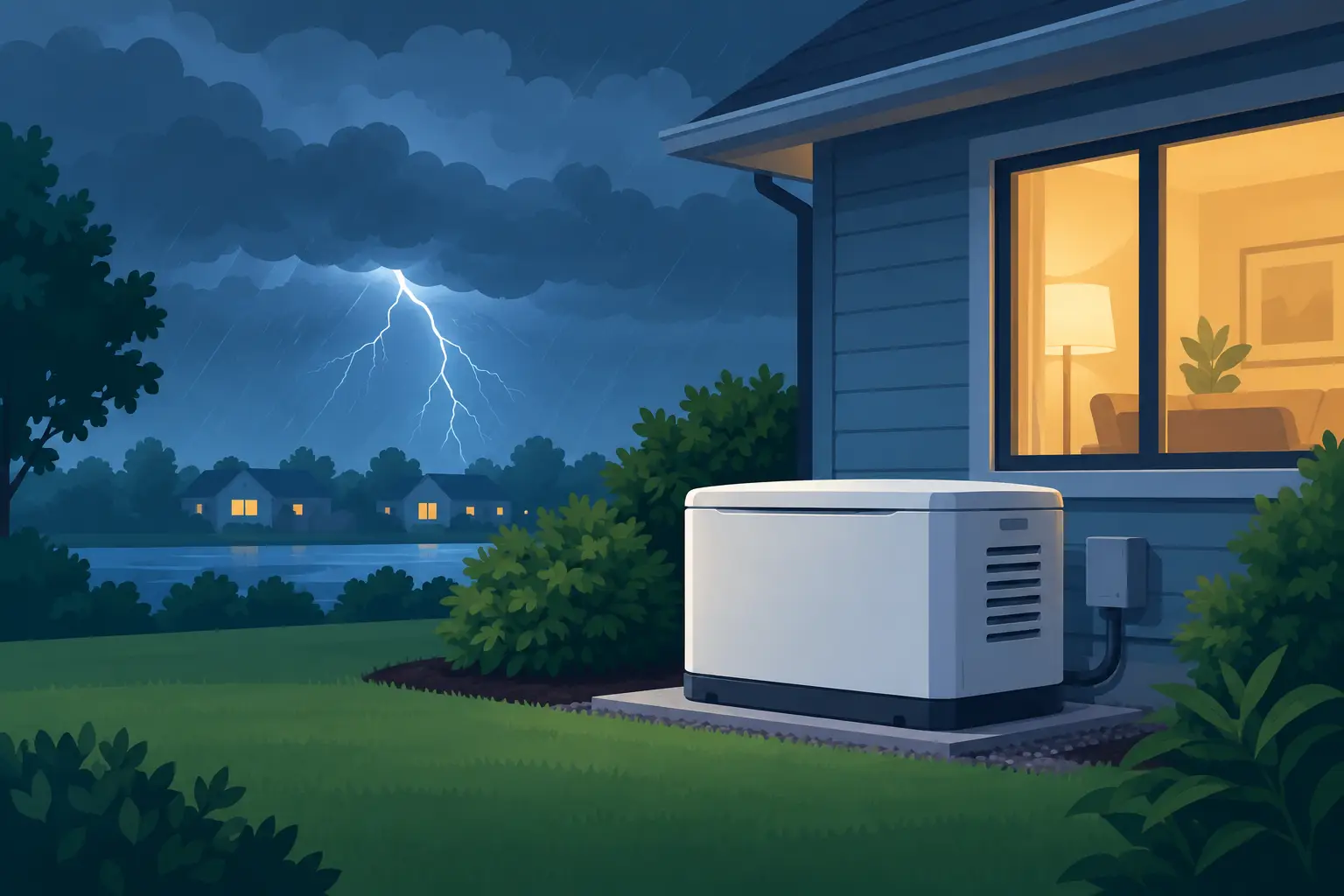
A loud generator can solve one problem while creating several more. It can disturb sleeping children, frustrate neighbors, require fuel runs, and force you to manage exhaust during already stressful weather. Quiet backup power solutions give households and businesses a better way to keep essentials running when the grid goes down – with battery power, solar charging, and far less disruption.
For homes and properties in the Bahamas, that difference matters most when an outage lasts longer than expected. A quiet system can keep lights, phones, internet equipment, fans, medical devices, refrigeration, and critical work tools powered without filling the yard with generator noise or the smell of gasoline.
Why quiet power matters during an outage
Backup power is not only about watts. It is about how usable that power is when your household is tired, your business needs to stay open, or a storm has made travel difficult. Traditional fuel generators remain useful for high-demand loads and extended emergencies, but they come with noise, moving parts, exhaust, and an ongoing need for stored fuel.
Battery-based systems produce power silently or with only the low sound of a cooling fan. That makes them practical indoors when used according to the manufacturer’s instructions, in bedrooms, home offices, small shops, and places where a running engine would be a problem. There is no engine idling outside at night and no need to shut it down just to refuel.
Quiet power also supports better storm readiness. You can charge a portable power station before bad weather arrives, keep it topped up with solar panels when sunlight returns, and use stored energy carefully for the loads that protect comfort and safety.
The main types of quiet backup power solutions
The right system depends on what you need to keep running, how long outages usually last, and whether you want a portable or installed setup.
Portable power stations for essential loads
A portable power station is often the easiest starting point. These rechargeable battery units typically include AC outlets, USB ports, and DC outputs for phones, laptops, lights, routers, fans, CPAP machines, cameras, and other everyday essentials. Larger models can also support a refrigerator, television, small kitchen appliance, or power tools for limited periods.
They are especially useful for renters, condo owners, boaters, and homeowners who want backup power without permanent electrical work. During an outage, you can move the unit where it is needed most. You can also take it to a job site, use it outdoors, or keep it ready in a hurricane supply plan.
Capacity is the deciding factor. A smaller unit may be ideal for charging devices and running a router overnight, while a higher-capacity model can support more demanding loads. Check both battery capacity, measured in watt-hours, and output power, measured in watts. A power station must have enough output to start and run the device, not just enough stored energy to run it for a few hours.
Portable solar panels for longer outages
A battery is stored power. A solar panel is the way to replenish it without depending entirely on the grid or fuel deliveries. Pairing portable solar panels with a power station gives you a flexible solar generator setup that can be deployed after a storm once conditions are safe.
Solar charging is not instant, and output changes with panel size, sun angle, cloud cover, and heat. Still, the Bahamas has a major advantage: strong sunlight can help restore essential battery power day after day. For multi-day outages, that can reduce pressure on your fuel supply and keep communications, lighting, and refrigeration support available.
Portable panels work best when they are positioned in direct sun, kept clear of shade, and brought inside before severe weather. Do not leave them deployed when high winds are expected. Storm resilience starts with protecting the equipment before the storm, not after it has already arrived.
Home battery backup for broader protection
For households that need more than a few outlets, a home battery backup system can provide a more permanent answer. These systems are designed to support selected circuits or, in larger configurations, much of the home. That can include refrigeration, lights, fans, internet, security systems, and other priority loads.
A home battery system may also work with rooftop solar, allowing daytime solar production to recharge the battery. This setup can reduce dependence on the utility grid while creating a more organized outage plan. Instead of deciding which extension cord goes where, essential circuits are already identified and protected.
The trade-off is planning. Installed battery backup requires professional assessment of your electrical panel, energy use, critical loads, solar compatibility, and local installation requirements. It is a stronger long-term option, but not every home needs whole-house coverage to be well prepared.
Choose power for what you cannot afford to lose
The most common backup power mistake is buying based on the largest number on the box rather than the loads that matter. Start with a practical outage list: what must stay on for safety, communication, food preservation, work, or customer service?
For a home, that may mean a refrigerator, a few lights, phones, a Wi-Fi router, fans, and a medical device. For a small business, it could mean point-of-sale equipment, internet service, security cameras, communications, and lighting at the counter. A property manager may prioritize gate controls, common-area lighting, pumps, and tenant communication equipment.
Then consider runtime. A 100-watt load running for 10 hours uses roughly 1,000 watt-hours, before accounting for conversion losses. Refrigerators are more complicated because they cycle on and off and can draw a higher surge when the compressor starts. Air conditioners, electric water heaters, clothes dryers, and full-size ranges consume far more power than most portable battery systems can support for long. Those loads may require a larger installed battery system, a generator, or a different emergency plan.
Quiet backup power is strongest when it is used intentionally. Keep the essentials powered first, and avoid draining your battery on appliances that can wait.
Build a layered outage plan
For many households, the best answer is not choosing between battery power and a generator. It is using each tool for the job it does best. A quiet portable power station can cover nighttime charging, communications, lights, and indoor essentials. Solar panels can recharge it during the day. A fuel generator, if needed, can be reserved for heavy loads or periods when solar production is limited.
This layered approach helps conserve fuel and reduce noise. It also gives you redundancy. If fuel is difficult to obtain after a hurricane, a charged battery and portable solar panel can still keep small but critical devices operating. If several days of rain limit solar input, a generator can provide another charging option where it can be operated safely outdoors.
For businesses, a layered plan can protect revenue as well as comfort. Keeping internet, payment systems, and a few lights available may allow limited operations to continue while competitors remain closed. The goal is not necessarily to power every circuit. It is to keep the functions that matter most available.
Use battery power safely in heat, humidity, and storms
Quiet does not mean maintenance-free. Lithium battery systems should be stored in a dry, ventilated place away from direct sun, standing water, and extreme heat. Coastal conditions add another concern: salt air can contribute to corrosion over time, particularly around connectors and exposed hardware. Inspect cables, ports, and solar connections regularly, and keep equipment clean and dry.
Before hurricane season, fully charge your batteries, test your power station with the devices you plan to run, and make sure solar cables and adapters are easy to locate. A backup system that has never been tested is not a dependable emergency system.
Never operate a fuel generator indoors, in a garage, or near windows and doors. Battery power stations do not produce combustion exhaust, but they still need to be used within their rated limits and protected from water exposure. Follow the product instructions for charging, storage, and connection methods.
Quiet power is a practical form of independence
The best backup system is the one that matches your real outage needs and is ready before the forecast changes. A compact power station may be enough for a family that needs lights, communication, and a fan through the night. A solar-charged battery setup may be the right fit for a remote property. A home battery system may make more sense for a household or business that needs protected circuits and longer-term continuity.
SOL242 helps customers choose dependable energy equipment for island conditions, where heat, humidity, storms, and grid interruptions make preparation a necessity. Start with the loads you need most, choose capacity with room to spare, and build a power plan you can use calmly when the lights go out.


