

Resilient Energy Planning for Hurricane Season
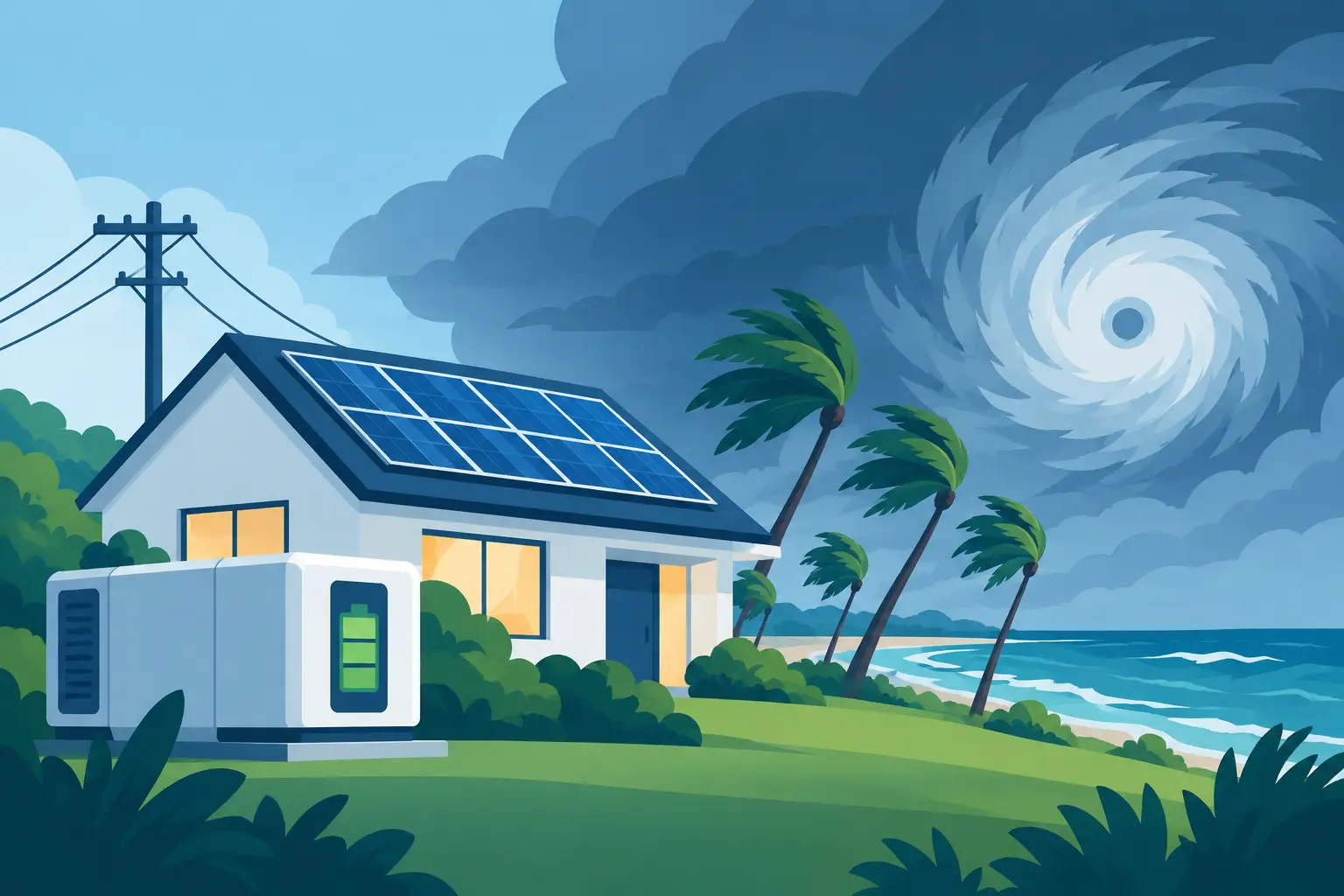
A power outage is rarely just an inconvenience on an island. It can mean spoiled food, no water pressure, lost business hours, overheated rooms, and a phone battery running low when updates matter most. Resilient energy planning gives your home or business a practical way to keep essential systems running when the grid is down, fuel is hard to find, or a storm has disrupted normal life.
For households, property managers, and small businesses in The Bahamas, the goal is not necessarily to power every appliance for days. The goal is to make clear decisions before hurricane season: what must stay on, how long it must run, and which solar and battery equipment can carry that load safely.
Start Resilient Energy Planning With Essential Loads
The fastest way to overspend on backup power is to start with a product instead of a plan. Begin by separating essential loads from comforts that can wait. Your essentials may include a refrigerator, freezer, Wi-Fi router, phones, lights, fans, a medical device, a water pump, or a small security system.
A restaurant or shop may prioritize a point-of-sale system, communications, refrigeration, lighting, and one or two fans. A rental property may need internet, exterior lighting, a gate, and a way for guests to charge phones. Every property has different priorities, so the right setup depends on what an outage costs you in safety, comfort, income, or property damage.
Write down each essential device, its wattage, and the number of hours you expect to use it during an outage. Wattage tells you how much power a device needs at one time. Watt-hours tell you how much battery capacity it consumes over time. A 100-watt fan running for 10 hours uses about 1,000 watt-hours, or 1 kilowatt-hour, before accounting for small system losses.
This simple inventory turns broad concerns about backup power into a realistic target. It also prevents a common mistake: buying a battery large enough to run a refrigerator briefly, but not long enough to support the refrigerator, lights, communications, and charging through the first night.
Decide How Long You Need Backup Power
Battery capacity is only half the question. Runtime matters just as much. A portable power station can be an excellent answer for a short outage, a single room, a mobile business, or emergency communication. A larger solar generator setup or home battery backup system may be the better fit for longer outages and more critical circuits.
Think in scenarios. For a four- to eight-hour outage, you may only need power for refrigeration, lights, phones, and a fan. For an overnight outage, add more battery capacity and a plan for recharging. For a multi-day hurricane disruption, solar charging becomes more valuable because it reduces dependence on fuel deliveries and long generator lines.
Solar does not erase weather limitations. Heavy cloud cover, rain, shade, and damaged panels can reduce production. That is why a resilient plan uses stored energy first and treats solar recharging as a way to extend runtime when conditions allow. If your household cannot tolerate even a short interruption, consider a larger battery reserve and a backup method that does not depend on a single source.
Match the Equipment to the Job
Not every backup solution should be installed permanently, and not every emergency requires a whole-home system. Choosing the right category keeps your investment focused.
Portable power stations are practical for apartments, small homes, travel, job sites, and emergency kits. They can run lights, charge devices, support Wi-Fi, and power selected small appliances without the noise, fumes, or fuel storage associated with conventional generators. Capacity and output vary, so check both before assuming a unit can run a refrigerator, microwave, pump, or power tool.
Portable solar panels give that power station a renewable charging option. They work best when you have a clear, safe outdoor space and can move them as the sun changes. They should be brought inside and secured well before tropical storm conditions arrive. Portable panels are for charging in fair weather, not for leaving exposed during a storm.
Solar generators combine battery storage, inverter capacity, and solar charging into a flexible backup package. They can be a strong choice for homeowners who want more than phone charging but are not ready for a permanent installation. The trade-off is that high-demand equipment, such as central air conditioning, electric water heaters, and large pumps, can drain even a substantial battery quickly.
Home battery backup systems are designed for households and facilities that need dependable power for selected circuits or broader coverage. They are usually the best fit when outages are frequent, critical loads are larger, or you want automatic backup capability. These systems require careful planning around electrical panels, load management, installation, and hurricane-ready placement.
Plan for Heat, Humidity, Salt, and Storms
Island conditions change how backup equipment should be selected, stored, and maintained. Heat can affect battery performance and lifespan. Humidity can create condensation risks. Salt air can accelerate corrosion on connectors, hardware, and exposed metal. Equipment that performs well in a mild inland climate may need more attention near the coast.
Store portable batteries indoors in a dry, ventilated area away from direct sun. Avoid leaving a power station in a hot vehicle, an exposed porch, or a damp utility space. Keep cables, adapters, and solar connectors clean and protected when not in use. If you use outdoor solar panels, inspect frames, wiring, and connection points regularly for corrosion or physical wear.
For fixed systems, placement matters. Batteries and electrical components should be installed according to manufacturer requirements and local electrical standards, with attention to water intrusion, heat exposure, and flood risk. A backup system is only as dependable as the environment around it. Elevating equipment above likely flood levels and protecting it from wind-driven rain can be just as important as selecting a larger battery.
Do Not Wait for a Storm Watch
A battery that has not been charged, tested, or paired with the right cable is not a preparedness plan. Build a routine before the season becomes active. Test your essential loads, confirm that your refrigerator starts properly from the power source, and learn how long your actual equipment runs. Name-brand specifications are useful, but your own test is more meaningful because it reflects your devices and habits.
Keep batteries charged to the manufacturer-recommended storage level, then top them up when severe weather may affect your area. Store extension cords, power strips, charging cables, flashlights, and manuals together. If you depend on a portable solar panel, practice setting it up before you need it.
For businesses and property managers, assign one person to oversee the backup power checklist. That person should know which equipment is protected, where batteries are stored, who can operate the system, and when solar panels need to be brought inside. Clear responsibility prevents costly confusion when staff are tired and conditions are changing quickly.
Avoid the Most Expensive Planning Mistakes
The first mistake is sizing for hope instead of reality. A compact battery may be enough for phones and lights, but it will not deliver whole-home backup. The second is overlooking surge power. Refrigerators, pumps, and tools can require a higher burst of power when starting than their running wattage suggests. Your inverter must handle that starting demand.
The third mistake is treating solar panels as storm equipment. Panels should be secured or stored before high winds arrive, not deployed during dangerous conditions. The fourth is assuming a battery can safely power any outlet or circuit in a building. Permanent connections should be designed and installed correctly to prevent backfeeding and electrical hazards.
Finally, do not make backup power an afterthought after buying a refrigerator, pump, or air conditioner. Major appliance choices affect the size and cost of the energy system required to support them. Efficient appliances and thoughtful load management can reduce the battery capacity you need and make backup power more affordable.
Build Your Plan in Stages
You do not have to purchase every component at once. A staged approach is often the most sensible path. Start with emergency communications, lights, fans, and device charging. Next, add refrigeration support and solar charging. Then, if your outage history or property needs justify it, move toward a larger solar generator or home battery system for essential circuits.
This approach lets you learn your real energy use while building useful protection immediately. It also gives you time to choose equipment suited to your space, budget, and expected outage duration. SOL242 focuses on the solar and battery products that help make those decisions practical for island homes and businesses.
The best time to test your backup power is on a calm afternoon, not when the forecast is turning. Choose one essential load this week, run it from battery power, and use what you learn to make the next decision with confidence.


