

7 Best Solar Generators for Hurricanes
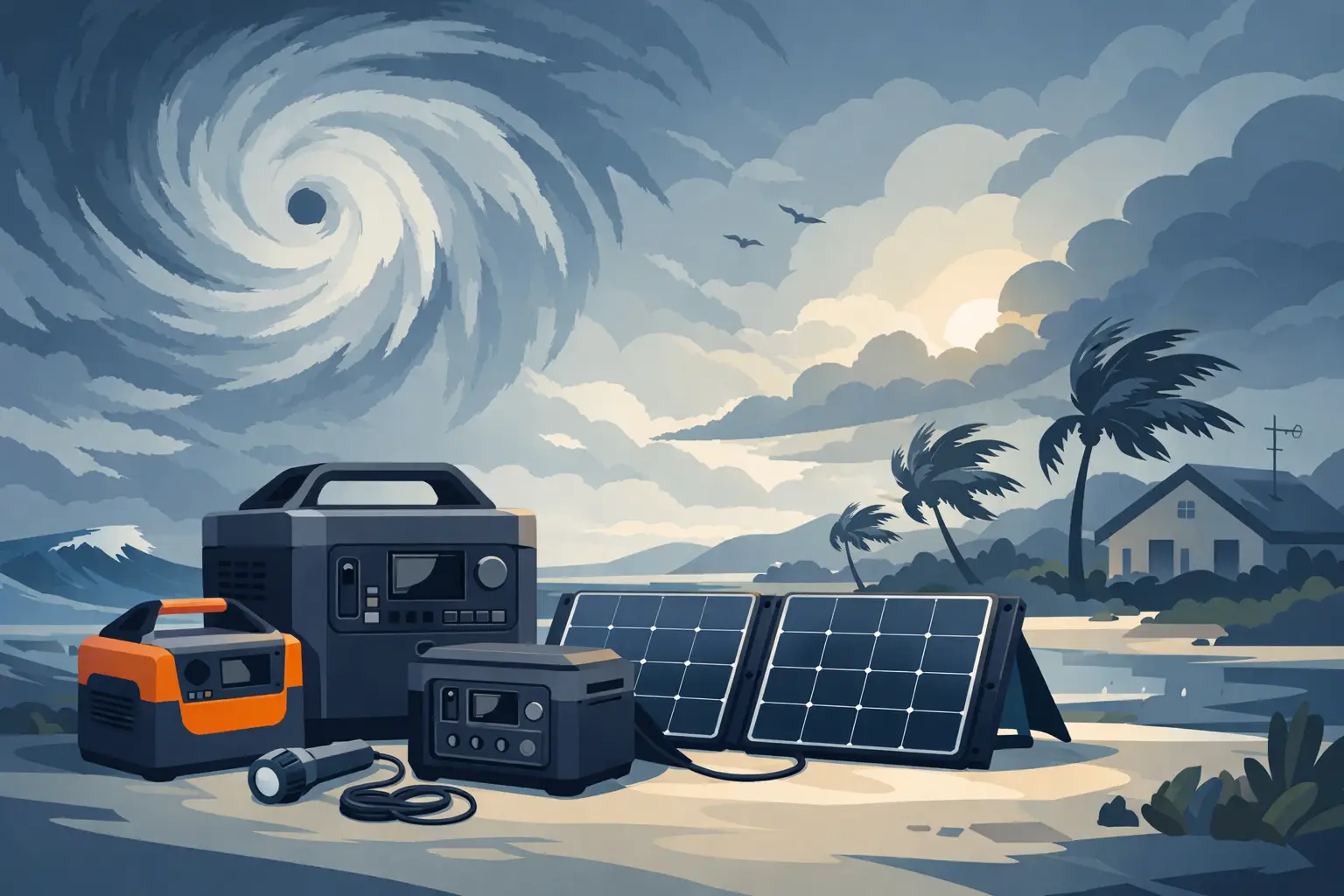
When a storm warning turns serious, backup power stops being a nice extra and becomes part of the plan. The best solar generators for hurricanes are the ones that keep your essentials running safely, recharge fast between outages, and hold up in hot, humid, coastal conditions where reliability matters most.
A lot of buyers make the same mistake: they shop by battery size alone. Capacity matters, but hurricane prep is really about matching the right power station to the appliances and routines that protect your household. If your unit cannot start a refrigerator compressor, recharge quickly after a long outage, or stay practical to move before landfall, it is not the right fit no matter how impressive the spec sheet looks.
What makes the best solar generators for hurricanes?
For storm season, a solar generator needs to do three jobs well. First, it must power critical loads like a fridge, router, lights, phones, medical devices, fans, and sometimes a small window AC. Second, it must recharge in more than one way, because sunshine is not guaranteed right after a storm. Third, it needs to be simple enough to use under stress, when nobody wants to troubleshoot settings in the dark.
Battery chemistry is a big factor. LiFePO4 batteries are usually the stronger choice for hurricane backup because they last longer, handle frequent charging better, and generally offer better thermal stability than older lithium-ion options. For homeowners and small businesses planning for repeat outages over many seasons, that longer service life is worth paying for.
Output matters just as much as capacity. A 2,000Wh power station with weak inverter output may struggle with surge-heavy appliances. On the other hand, a unit with strong output but too little battery can run your fridge for only a short window. The best setup balances both.
Portability is another trade-off. A larger solar generator gives you more runtime, but it is heavier and harder to move quickly. If you live in a condo, manage a rental property, or need to store backup power upstairs, that weight matters. Bigger is not always better.
7 best solar generators for hurricanes
1. Large whole-room backup units
If your goal is to keep multiple essentials running at once, a large-capacity solar generator in the 2,000Wh to 4,000Wh range is usually the strongest choice. This category works well for refrigerators, communication devices, lights, fans, work equipment, and longer outages where you need real staying power instead of a few hours of convenience.
These are often the best solar generators for hurricanes for full-time homeowners because they cover the basics without forcing constant power rationing. They also pair well with larger folding solar panels once the weather clears. The downside is weight and cost. They are less grab-and-go, and they need a dedicated storage spot.
2. Mid-size home backup power stations
For many households, the sweet spot is a mid-size unit around 1,000Wh to 2,000Wh with solid inverter output. This size can usually handle a fridge for a limited period, plus phones, lights, internet gear, and small appliances if you manage usage carefully.
This is often the practical choice for buyers who want emergency coverage without stepping into whole-home pricing. It is also a strong fit for apartments, smaller homes, and people who want something one person can still move without too much trouble. If your plan is focused on essentials rather than comfort loads, this category deserves a close look.
3. Expandable solar generators
Expandable systems are ideal if your needs may grow. You can start with a main unit and add extra battery capacity later, which makes them attractive for homeowners, property managers, and small business owners who want flexibility.
For hurricane prep, expandability helps because outage lengths vary. One storm may knock power out for a day. Another may stretch much longer. An expandable setup lets you build a more serious backup system over time instead of replacing your first purchase. The trade-off is complexity and price. Not everyone needs a modular system, especially if your backup plan is simple.
4. Fast-charging solar generators
Charging speed matters more than many people realize. During hurricane season, utility power may come back briefly and then fail again. A fast-charging power station can take advantage of that short window and top up much faster than older or entry-level models.
This is one of the most overlooked features in the best solar generators for hurricanes. If a unit takes all day to recharge from AC power, it can leave you exposed during unstable grid conditions. Fast charging is not flashy, but in real outages it can make the difference between staying prepared and falling behind.
5. Portable units for grab-and-go backup
Smaller portable power stations are not designed to run an entire home, but they still have a role in hurricane readiness. They are useful for phones, radios, lights, CPAP machines, routers, and other low-draw essentials. They also make sense for evacuation, vehicle use, or keeping a separate emergency kit ready.
These units are best treated as part of a layered plan, not the whole plan. If your main concern is refrigeration, cooling, or longer runtime, a compact unit alone will not be enough. But as a second backup source, it adds resilience.
6. Solar generators paired with high-watt solar panels
A good power station becomes much more valuable when paired with enough solar input. After a storm passes, solar panels can help you extend runtime without relying entirely on fuel or a recovering grid. In sunny coastal regions, that can be a major advantage.
The key is not just having panels, but having enough panel wattage to charge the battery in a useful timeframe. A large battery with undersized solar input can be frustratingly slow. Matching the station to the right panel setup is where many buyers either build a dependable system or end up disappointed.
7. Home backup systems for serious outage planning
If you need coverage beyond portable essentials, a larger battery backup system may be the better answer than a standard portable unit. These systems are better suited for households with higher loads, more occupants, or business continuity needs.
They cost more, and installation can be more involved, but they provide a stronger level of protection. For buyers in storm-prone areas who are tired of repeated outages, this category often delivers the most peace of mind. Portable solar generators are excellent for many situations, but there is a point where a more permanent backup approach makes better sense.
How to choose the right size for your storm plan
Start with what must stay on, not what would be nice to have. For most homes, that means refrigeration, communication, lighting, charging, and medical needs. If comfort is part of the plan, add fans or a small window AC, but recognize that cooling loads push you into a much larger system.
Then think in hours, not just watts. A refrigerator might cycle on and off, while a router runs continuously. Phones barely matter compared with cooling and kitchen appliances. A realistic outage plan looks at both startup power and runtime.
It also helps to think in phases. Before the storm, your unit should be fully charged and easy to access. During the outage, it should support essentials without requiring constant attention. After the storm, it should recharge efficiently from whatever sources are available. A generator that looks good on paper but fails one of those phases is a poor hurricane choice.
Features worth paying for
Weather awareness should shape your buying decision. That means prioritizing durable casing, dependable battery chemistry, clear displays, and enough ports for the devices you will actually use. It also means choosing equipment from a seller that understands backup power as a necessity, not a gadget category.
An app can be useful, but it is not essential. Wheels may matter more than Wi-Fi if your unit weighs over 70 pounds. Quiet operation is helpful if you are running power overnight inside a home or business. And if you are in a coastal environment like the Bahamas or other high-humidity regions, build quality matters more than extra gimmicks.
Common mistakes to avoid
One mistake is assuming any solar generator can power an air conditioner. Some can, many cannot, and even when they do, runtime may be shorter than expected. Another is buying too small because the lowest price feels safer. A cheap unit that cannot run your critical loads is expensive in the worst way.
People also underestimate charging options. AC wall charging, car charging, and solar charging all matter during storm recovery. The more flexibility you have, the stronger your backup plan becomes.
If you are buying for hurricane season, think like someone preparing for disruption, not like someone buying tech for occasional camping. That shift in mindset usually leads to a better decision.
The right solar generator is the one you can count on when the grid is down, the weather is rough, and your household still needs to function. Choose for real conditions, size for essential loads, and give yourself enough backup to stay calm when the forecast changes.


