

Solar Generator vs Battery Backup
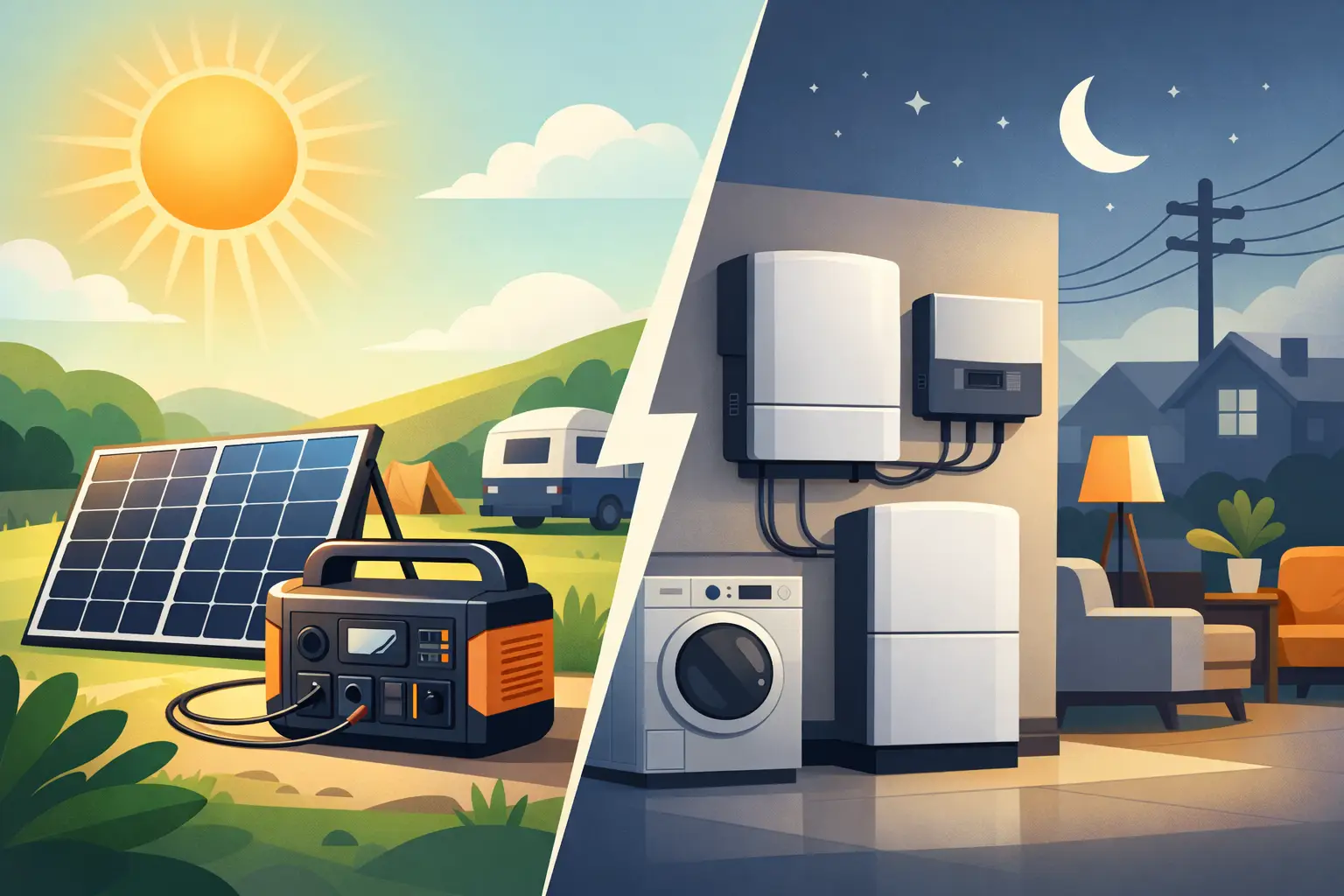
When the power drops in the middle of a storm warning, the difference between keeping essentials running and sitting in the dark often comes down to one decision made earlier: solar generator vs battery backup. These two options can both protect your home, business, or property from outages, but they are not interchangeable. The right choice depends on how much power you need, how long you need it, and how much independence you want from the grid.
For many people, the confusion starts with the names. A solar generator is usually a portable power station that can charge from wall power, a vehicle, or solar panels. A battery backup system is often a larger setup designed to support part of a home or, in some cases, most of it. Both store electricity. Both can keep critical devices running. But they solve different problems.
Solar generator vs battery backup: the core difference
The simplest way to think about solar generator vs battery backup is mobility versus capacity.
A solar generator is built for flexibility. You can move it where you need it, plug appliances directly into it, recharge it from portable solar panels, and use it during outages, outdoor work, travel, or off-grid trips. It is a practical choice when you want backup power without major installation.
A battery backup system is built for stronger whole-property support. It is usually installed permanently and connected to selected home circuits or an electrical panel. That means it can respond more like a true backup power system instead of a large portable device sitting in one room.
If your main goal is to run a router, phones, lights, fans, a TV, medical devices, or a small refrigerator during outages, a solar generator may be enough. If your goal is to support multiple rooms, larger appliances, office equipment, security systems, or longer outages with less manual setup, battery backup usually makes more sense.
What a solar generator does well
A solar generator is often the fastest path to backup power. There is no fuel to store, no engine maintenance, and no complicated startup routine. You charge it, keep it ready, and use it when the grid fails.
That simplicity matters. For renters, smaller homes, vacation properties, boats, job sites, and anyone who wants emergency power they can move around, a solar generator is hard to beat. It also makes sense for people who want to start small. You can buy a unit sized for immediate needs and add solar panels later for extended charging.
In hot, coastal climates, portability is a real advantage. If one area of a property is more exposed during a storm or cleanup situation, a portable unit can go where it is needed. You are not tied to one installed location.
The trade-off is output. Most solar generators are designed for essentials, not every appliance at once. They can power a mini fridge, lights, laptops, communication gear, and small kitchen devices, but central air conditioning, electric dryers, and large pumps are another story. Even when a unit has a strong inverter, runtime depends on battery size. High-wattage loads drain stored energy quickly.
Where battery backup pulls ahead
Battery backup becomes the stronger option when outages are not just inconvenient but disruptive to daily life or business continuity.
A fixed battery system can support more circuits, deliver higher sustained output, and integrate more cleanly into how a property already uses power. Instead of extension cords and device-by-device planning, it can keep key loads energized automatically. That matters when an outage happens overnight, while you are away, or when staff and tenants need power stability without extra steps.
This is also where long-term resilience comes into view. A home battery backup system paired with solar can recharge day after day, reducing dependence on the grid and improving recovery after extended outages. For hurricane-prone and outage-prone areas, that level of continuity can be a major upgrade from simple emergency power.
The trade-off is cost and complexity. Battery backup systems usually require installation, more planning, and a higher upfront investment. They are less about convenience on the go and more about protecting a home, business, or critical property infrastructure.
Cost is not just the purchase price
A lot of buyers compare sticker prices first, which is understandable. Portable solar generators often look more affordable because they require little to no installation. You buy the unit, charge it, and use it. Battery backup systems cost more because you are paying for larger capacity, home integration, and often professional setup.
But purchase price only tells part of the story.
If you buy a smaller solar generator and discover it cannot handle your refrigerator overnight, your water pump, or your work equipment, the lower upfront cost stops feeling like savings. On the other hand, if your actual need is just charging devices, keeping lights on, and powering a fan through rolling outages, a larger installed battery system may be more than you need.
The better question is not which option is cheaper. It is which option covers your real outage plan without overbuying or underbuying.
Charging and runtime matter more than marketing claims
This is where many comparisons get too simplified. Neither a solar generator nor a battery backup is automatically better unless it matches your power demand.
Start with what must stay on. A few LED lights, internet equipment, phones, and a small fan require far less energy than a full-size refrigerator, freezer, microwave, and window AC unit. Runtime depends on battery capacity, while what you can run at the same time depends on inverter output.
Solar charging also varies. A solar generator connected to portable panels can be a very strong emergency tool, especially in sunny climates, but recharge speed depends on panel size, sunlight conditions, and how much power you are using while it charges. A battery backup system paired with a larger solar array can recover faster and support more loads, but only if the full system is sized properly.
That is why realistic expectations matter. If you want overnight backup for a few essentials, one type of setup may be perfect. If you want to maintain more normal operations for days, you need more storage, more solar input, or both.
Which is better for storm preparedness?
For storm preparedness, the right answer depends on your risk level and response plan.
A solar generator is excellent for immediate readiness. It gives you a self-contained backup source that is quiet, fuel-free, and easy to keep charged before a storm. It works well for communications, lighting, food preservation on a limited scale, and the everyday essentials that make an outage manageable instead of chaotic.
A battery backup system is better when you need broader protection. If losing power affects inventory, tenant comfort, remote work, security, pumps, or critical appliances, a permanent system offers more coverage and less manual intervention. It is especially valuable when outages last longer and power restoration is uncertain.
For some households and businesses, the best answer is actually both. A home battery system can support core circuits, while a portable solar generator provides flexible backup for a separate room, outdoor use, or temporary relocation after a storm. That layered approach can be smart in places where weather, salt air, and grid interruptions are part of reality rather than rare exceptions.
How to choose without overcomplicating it
If you want backup power you can use right away, move easily, and rely on for essentials, start with a solar generator. It is a practical entry point into energy independence and a strong fit for many outage scenarios.
If you want a system that behaves more like built-in protection for your property, supports larger loads, and fits into a long-term resilience plan, battery backup is the better investment.
The most common mistake is shopping by category instead of use case. Think about your refrigerator, lights, internet, fans, work equipment, medical devices, pumps, or cash register before thinking about product labels. Your outage plan should decide the system, not the other way around.
At SOL242, that is the real goal behind the comparison. Not choosing the trendier term, but choosing power that holds up when conditions are hot, humid, unpredictable, and unforgiving.
The best backup setup is the one you trust before the next outage starts, not the one you wish you had after it does.


